What to Do With Your Vehicle After a Car Accident: The Legal and Practical Steps
A car accident is one of those moments where time briefly stops. The seconds immediately after impact stretch out as you check yourself, check passengers, register that everyone is moving and breathing, and then begin processing what just happened.
In the days and weeks that follow, you’ll need to make a series of decisions about your vehicle — and many of those decisions have legal and financial implications most people don’t fully understand. The wrong move in the first few days can weaken an insurance claim, complicate a potential personal injury case, or leave you stuck with repair costs that should have been someone else’s responsibility.
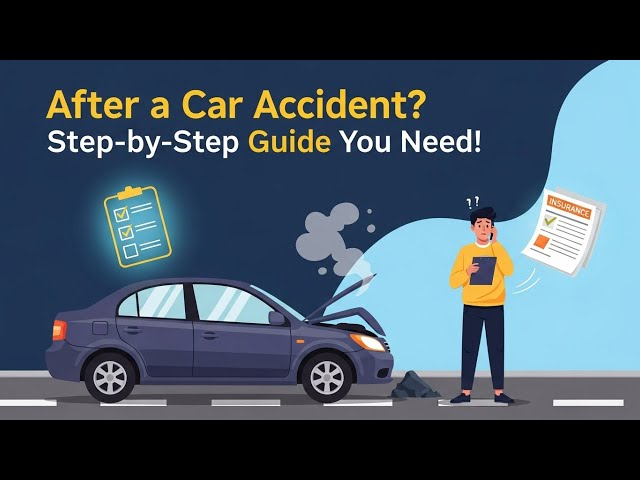
This guide walks through the complete sequence of what to do with your vehicle after an accident — from the scene itself, through documentation, insurance navigation, repair shop selection, and the legal considerations that affect how each of these decisions plays out. Whether you’ve just been in an accident or you’re trying to be prepared for the possibility, knowing this in advance dramatically improves your outcomes.
For drivers in the Woodinville and Eastside area, having a trustworthy Auto Repair shop you can turn to in these situations — like Ali’s Woodinville Auto Repair — removes one of the more stressful decisions during an already difficult time. Establishing that relationship before you need it is one of the smartest pieces of preparation a driver can do.
The First 30 Minutes: At the Scene
What you do in the first half hour after an accident affects almost everything that follows.
Confirm Safety First
Before anything else, confirm that everyone involved is okay. Call 911 if anyone is injured, if there’s significant property damage, or if you’re uncertain whether anyone needs medical attention. Better to have emergency services respond unnecessarily than to discover later that someone needed care they didn’t receive.
If the vehicles can be safely moved and the accident is minor, move them out of traffic. If they can’t, turn on hazard lights and use any available emergency triangles or flares.
Call the Police, Even for Minor Accidents
This is one of the most consistently overlooked steps, and one of the most consequential. A police report creates an official record of the accident — including witness statements, scene assessment, and a determination of contributing factors when possible. This documentation becomes critical evidence for any insurance claim or legal action.
Many drivers skip police involvement on minor accidents because they want to avoid the hassle. This is almost always a mistake. The other driver’s story can change once you’re no longer at the scene. Injuries that didn’t seem significant initially can develop over the following days. Without a police report, you’re trying to substantiate your account with significantly less evidence than you would have had.
Document Everything
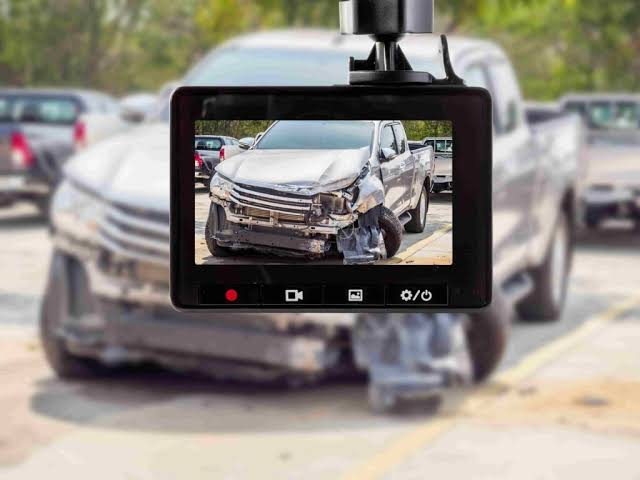
Take photos of:
- All vehicles involved, from multiple angles
- License plates of all vehicles
- The accident scene including road conditions, traffic signs, and any debris
- Any visible injuries to yourself or passengers
- The drivers’ licenses and insurance cards of other parties
Get contact information from:
- All other drivers (name, phone, address, license, insurance)
- Any witnesses (name and phone number at minimum)
- The responding officer (name and badge number)
Make notes about:
- Exact location and time
- Weather and road conditions
- What happened in your own words while it’s fresh
- Anything the other driver said, particularly if they admitted fault
This documentation is your evidence. Without it, you’re relying on memory and the goodwill of other parties — neither of which is reliable.
Be Careful What You Say
Do not admit fault at the scene, even if you think you might be partly responsible. “I’m sorry” can be interpreted as an admission. Stick to facts: what you saw, what happened, what direction you were traveling. Save analysis and interpretation for your insurance company and, if necessary, an attorney.
This isn’t about being dishonest — it’s about recognizing that fault determinations are complex, often involve information you don’t have at the scene, and have significant financial implications. Let the insurance companies and, if necessary, the courts determine fault based on evidence.
The First 24 Hours: After You Leave the Scene
The next critical window is the day immediately following the accident.
Seek Medical Attention
Even if you feel fine, see a doctor. Soft tissue injuries, particularly whiplash and similar conditions, often don’t produce symptoms for 24 to 72 hours after impact. By the time symptoms appear, the gap between accident and medical care can complicate both your treatment and any insurance claim related to those injuries.
Document the visit. Keep all medical records. If symptoms develop later, follow up promptly and continue documenting.
Report to Your Insurance Company
Most insurance policies require prompt notification of accidents — typically within 24 to 72 hours. Failing to report promptly can complicate or void coverage. Report the accident, provide the documentation you collected, and answer questions factually without speculation.
Be careful about recorded statements, particularly to the other driver’s insurance company. You’re generally obligated to cooperate with your own insurer, but the other driver’s insurance company’s interests are not aligned with yours. Many attorneys recommend not providing recorded statements to the other party’s insurance without legal counsel.
Understand Whether You Need an Attorney
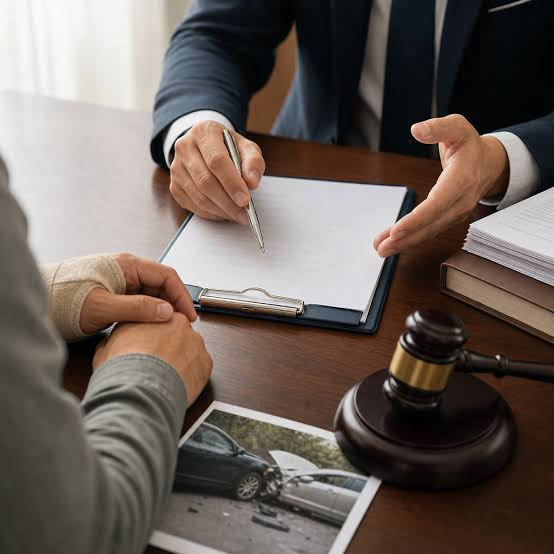
For minor accidents with clear fault and minimal damage, you may not need legal representation. For accidents involving significant injuries, disputed fault, multiple parties, commercial vehicles, or substantial property damage, consulting an attorney early protects your interests in ways that are difficult to recover later.
Most personal injury attorneys offer free initial consultations and work on contingency for cases they accept. The cost of an initial consultation is essentially nothing; the cost of navigating a complex claim without proper legal guidance can be substantial.
The Insurance Claim Process
Insurance is where most accident outcomes are determined, and where many drivers make decisions that cost them money.
Whose Insurance Pays
This depends on the type of coverage you carry and the laws of your state. In at-fault states, the responsible driver’s liability insurance covers damages to the other party. In no-fault states, each party’s own insurance covers their own damages regardless of who caused the accident, with limits on when injury claims can be made against the other driver.
Most states have some combination of these approaches, and the specifics affect how you should approach the claim.
Your Right to Choose Your Repair Shop
This is critical and frequently misunderstood. In most states, you have the legal right to choose where your vehicle is repaired. Insurance companies may recommend or steer you toward specific shops in their network — sometimes called “preferred providers” or “direct repair programs” — but you are generally not required to use them.
The insurance company’s preferred shop is preferred from the insurance company’s perspective. The shop has agreements with the insurer that may include speed, cost considerations, and use of certain parts. These arrangements can produce acceptable repairs, but they can also produce repairs that prioritize the insurer’s interests over yours.
If you have a relationship with a quality independent shop, you have the right to use it. The insurance company will pay the agreed-upon repair cost to whichever shop performs the work.
Getting Multiple Estimates
For any significant repair, get estimates from at least two shops. This gives you a basis for comparison and helps protect against either undervaluation by the insurer or overcharging by a single shop.
A reputable repair shop will provide a detailed written estimate breaking down parts, labor, and any expected sublet work. They’ll work directly with the insurance company on documentation when needed.
Understanding “Total Loss” Determinations
If the cost of repair approaches or exceeds the actual cash value of the vehicle, insurance companies will declare it a total loss. The specific threshold varies by state, but it’s typically around 70 to 80 percent of the vehicle’s value.
When a vehicle is declared a total loss, you’re paid the actual cash value of the vehicle minus your deductible. You can sometimes negotiate this number with documentation showing comparable vehicles selling for more than the insurer’s offer. You can also sometimes keep the vehicle (called “buying back the salvage”) if you want to repair it yourself, though this has implications for future insurance and resale.
Choosing the Right Repair Shop
Where you take your vehicle for accident repair significantly affects both the quality of the repair and your long-term satisfaction with the vehicle.
What to Look for
Manufacturer certifications. Many manufacturers certify body shops that meet specific standards for repairs on their vehicles. For newer vehicles, particularly those with advanced safety features, certification matters.
Experience with your specific make and model. Different vehicles use different materials and require different repair techniques. A shop experienced with your vehicle type produces better outcomes than one figuring it out.
Use of OEM (original equipment manufacturer) parts when appropriate. For safety-critical components, OEM parts are generally preferable. Lower-cost aftermarket parts may be acceptable for some components but not others. A quality shop will discuss these trade-offs honestly.
Written warranties on repairs. A shop confident in its work warranties what it does. Vague or absent warranties are warning signs.
Direct experience working with insurance claims. Quality shops know how to document repairs in ways that satisfy insurance requirements without compromising the quality of the work itself.
For Eastside drivers, places like Ali’s Woodinville Auto Repair illustrate what to look for — experienced technicians, transparent communication, work on all makes and models, and the kind of relationship-based approach that produces quality repairs and honest dealings with insurance.
Red Flags
Pressure tactics from tow truck operators or roving “appraisers.” Be very cautious about decisions made at the scene under pressure from people who appear unexpectedly. These can sometimes be legitimate; they can also be schemes that result in your vehicle being taken to predatory shops with high storage fees and questionable repairs.
Shops that aggressively oppose insurance involvement. A shop that asks you to handle repairs out-of-pocket without involving insurance, particularly for accidents that should be covered, is operating outside normal practices.
Refusal to provide written estimates. Always a warning sign. Get estimates in writing before authorizing any work.
Inability or unwillingness to discuss specific repair techniques. A quality shop can explain what they’re doing and why. Vagueness signals limited expertise or willingness to cut corners.
Personal Injury Considerations
If you or any passenger sustained injuries in the accident, the legal and medical considerations become more important than the vehicle repair questions.
Document Everything Medical
Every appointment. Every prescription. Every recommended treatment. Every limitation on your daily activities. This documentation becomes the foundation of any personal injury claim.
Don’t Settle Quickly
Insurance companies often offer quick settlements after accidents, particularly to claimants who don’t have legal representation. These offers are typically lower than what the claim is actually worth. Once you settle, you’ve usually given up your right to additional compensation, even if injuries turn out to be more significant than initially understood.
For significant injuries, consult with a personal injury attorney before accepting any settlement offer. The cost of consultation is minimal compared to the potential difference in outcomes.
Understand the Statute of Limitations
Each state has time limits on filing personal injury claims following accidents. These vary from one to several years depending on jurisdiction. Don’t assume you have unlimited time to act if you’re considering legal action.
Long-Term Considerations
Some considerations extend well beyond the immediate aftermath of the accident.
Diminished Value Claims
Even after a quality repair, your vehicle has lower resale value than it would have had without the accident history. This is called “diminished value,” and in some states and circumstances, you can claim this loss from the at-fault driver’s insurance. This is often overlooked and underutilized.
Future Issues Related to the Accident
Some problems develop months or years after accident repairs — frame issues that emerge under stress, electrical problems from damaged wiring, paint matching issues that become visible over time. Keep all documentation related to the accident and repair indefinitely. Pursue warranty work promptly when issues develop.
Insurance Premium Impacts
Accidents typically affect insurance premiums for several years. Understanding this in advance helps with the calculus of whether to file claims for minor incidents that might be cheaper to handle out of pocket than to file.
Building Resilience Before You Need It
The best way to handle a car accident is to be prepared for one before it happens. Some advance preparation that pays off:
- Know your insurance coverage in detail. Don’t discover the limits of your coverage when you’re trying to use it.
- Have a quality auto repair shop you trust already identified. Building that relationship in advance means you don’t have to make trust decisions under stress.
- Keep a basic emergency kit in your vehicle: pen, paper, disposable camera or backup phone for photos, flashlight, basic first aid.
- Know who you would call if you needed an attorney. Having a contact you can reach the day of an accident significantly streamlines the legal side of recovery.
- Understand your state’s specific laws on no-fault vs. at-fault, statutes of limitations, and your right to choose a repair shop.
This is unglamorous preparation. It’s also the kind of preparation that produces dramatically better outcomes when you actually need it.
FAQs
Q: Do I need to call the police for a minor accident with no injuries?
A: Yes, in most cases. A police report creates official documentation that protects you against later disputes about what happened. The brief inconvenience of waiting for an officer is dramatically less than the cost of trying to substantiate your account without official documentation.
Q: Can the insurance company force me to use their preferred repair shop?
A: In most states, no. You have the right to choose your own repair shop. Insurance companies can recommend shops, but they generally cannot require you to use them. Confirm your specific state’s rules.
Q: How long do I have to file a claim after an accident?
A: This depends on the type of claim and your state. Insurance claims typically need to be filed within days. Personal injury lawsuits have statutes of limitation that vary from one to several years. Don’t delay if you’re considering legal action.
Q: Should I accept the first settlement offer from the insurance company?
A: Generally not, particularly if injuries are involved. Initial offers are typically below what claims are worth. Consult with a personal injury attorney before accepting settlement on any significant claim.
Q: What’s the difference between a body shop and a mechanical repair shop?
A: Body shops specialize in collision damage — frame, panels, paint, structural repairs. Mechanical shops handle engine, transmission, brakes, electrical systems. After an accident involving both collision damage and mechanical impact, you may need work from both, sometimes coordinated through a single shop.
Q: Can I file a claim if I was partially at fault for the accident?
A: Possibly, depending on your state’s fault rules. Some states allow recovery proportional to the other party’s fault even when you contributed; others bar recovery entirely if you’re more than 50 percent at fault. Consult with an attorney for state-specific guidance on contributory or comparative negligence rules.