Life360 Lawsuit Claim Verified Case and Settlement Status 2026
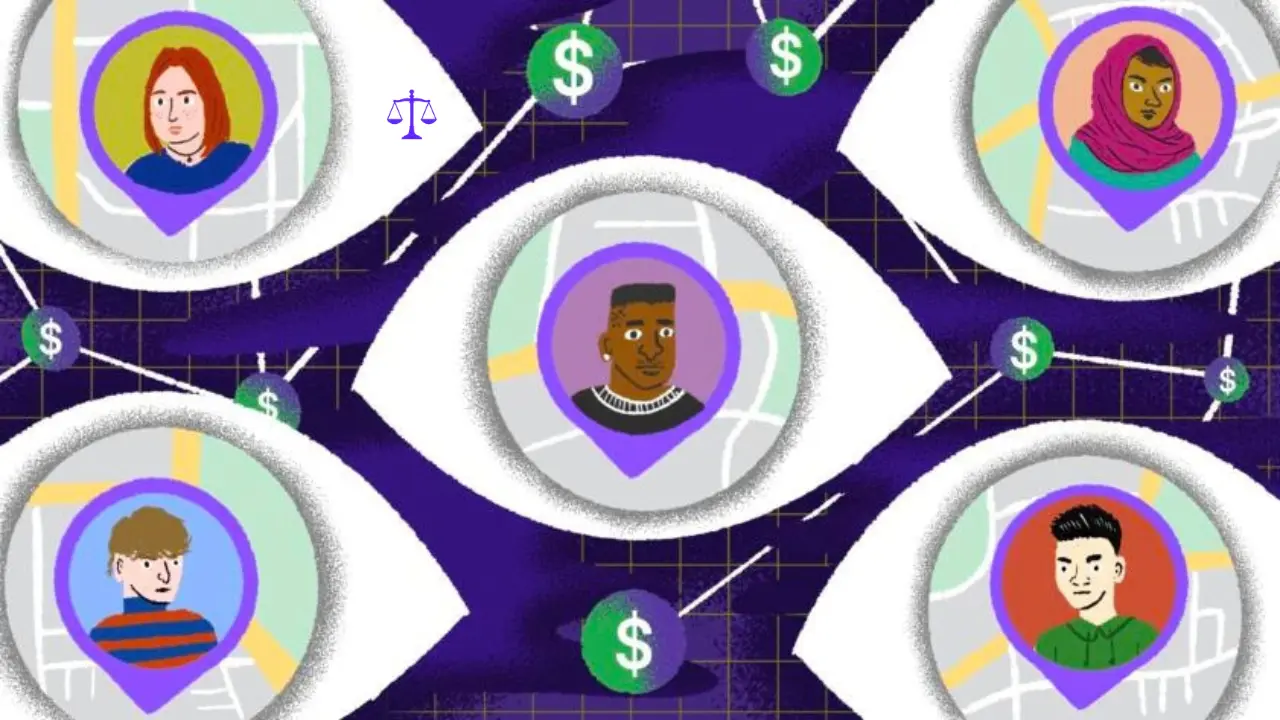
People searching for a Life360 Lawsuit claim may be looking for a privacy case, a class action, or a settlement related to the family location-sharing app. However, the term is not specific enough on its own to identify one verified lawsuit, court docket, or consumer settlement. Public discussion about Life360 has included concerns about location-data practices, but news reports, consumer complaints, and online advertisements are not the same as a filed lawsuit or a court finding.
What Is the Life360 Lawsuit Claim?
Life360 Lawsuit claim is a technology company best known for its mobile app, which allows members of a group or Circle to share locations and receive certain safety- and driving-related alerts. The service is often used by families, although its features can also be used by other groups.
Because the app may process location information and other information needed to provide its services, privacy terms, user consent, data-sharing practices, and account settings are central issues for consumers evaluating any reported legal claim involving the company.
What Is the Life360 Lawsuit claim About?
No single, verified Life360 Lawsuit claim or settlement can be identified from the information provided for this article. The phrase may refer broadly to concerns about location-data collection or sharing, rather than to a particular pending case. A person looking for a specific lawsuit should confirm the case name, court, filing date, and case number through official records.
Life360 has drawn public attention over location-data practices. In particular, reporting has discussed the company’s past relationships with data partners and questions about how location information was handled. Those reports may help explain why consumers search for legal information, but they do not by themselves establish that Life360 violated a law, that a court found wrongdoing, or that a settlement exists.
Privacy Concerns
Privacy concerns can lead to questions, regulatory complaints, private lawsuits, or changes in business practices. They are not, standing alone, proof of illegal conduct. The legal significance of a data-practices dispute depends on the exact information collected, the disclosures presented to users, consent settings, the applicable law, and any evidence developed in a case.
For example, a report that an app shared or monetized location-related information does not answer several key legal questions: whether the data was identifiable, whether users received notice, whether they consented, what contractual terms applied, and whether a particular state or federal law covered the conduct at issue.
Is the Life360 Lawsuit claim a Class Action?
A verified, certified Life360 Lawsuit claim class action cannot be confirmed from the information available for this article. The use of the word “class action” in search results, law-firm advertisements, or social-media posts does not establish that a class case has been filed or certified.
A lawsuit can seek to represent a group of consumers without becoming a certified class action. In a proposed or putative class action, the plaintiff asks the court to allow the case to proceed on behalf of similarly situated people. The court must decide whether the legal requirements for class certification are met. Until certification occurs, it is generally inaccurate to say that a court-approved class exists.
Is There a Life360 Lawsuit claim Settlement?
No verified Life360 lawsuit claim settlement, settlement fund, claim deadline, or payment amount is identified in the information available for this article. Consumers should not assume they qualify for money based only on a search result, advertisement, email, text message, or social-media post.
A legitimate class settlement normally has official materials that identify the case and explain the court’s role. Depending on the stage of the case, those materials may include a class notice, a settlement agreement, a preliminary-approval order, a final-approval order, and instructions for submitting a claim or objecting.
How to Verify a Life360 Legal Claim or Settlement Notice
If you receive information about a possible Life360 settlement or legal claim, verify it using the underlying documents rather than relying on promotional summaries. The most useful starting point is the exact case name or case number.
- Read the notice for the full caption of the case, the court, and the docket or case number.
- Check the relevant court’s public docket system or clerk’s office for filings and orders.
- Review the official settlement website named in a court-approved notice, if one exists.
- Compare the claim deadline and eligibility rules with the actual settlement notice or court order.
- Be careful with unsolicited communications that request passwords, payment-card details, or an upfront fee to obtain settlement funds.
What Consumers Should Know About Life360 Data Settings
People concerned about location privacy do not need to wait for litigation to review their account choices. App permissions on a phone, in-app privacy controls, Circle membership, and account settings may affect what information is shared and with whom. The available options can differ by device, operating system, app version, and subscription level.
Consumers may wish to keep records if they believe a legal notice or dispute affects them. Useful records can include account emails, subscription receipts, screenshots of relevant settings, copies of privacy notices or terms presented at signup, and any direct correspondence from Life360. These materials may be useful for understanding a notice or discussing a situation with a qualified attorney, but keeping records does not establish a legal claim.
Current Status of the Life360 Lawsuit claim
Current status: no particular Life360 lawsuit claim, certified class action, or court-approved settlement has been verified in the materials available for this article. As a result, there is no verified claim deadline, eligibility standard, settlement administrator, payment estimate, or final court outcome to report here.
This does not mean that no individual consumer has ever brought a dispute involving Life360, or that no future case could be filed. It means that a broad search phrase cannot safely be treated as the name of a single legal matter. A reliable update requires identifying a specific proceeding and reviewing current court or agency records.
Why Case-Specific Details Matter
Legal status can vary sharply among matters involving the same company. One claim may be dismissed, another may be sent to arbitration, and a separate regulatory inquiry may never result in a lawsuit. A proposed class action may also be denied certification or settled before a court decides certification.
For that reason, consumers should avoid treating broad statements such as “Life360 is being sued” as a complete description of legal status. The meaningful questions are: Who sued? In which court? What does the complaint allege? Has the company responded? What has the court actually decided? And, if a settlement is claimed, has a court approved it?
Frequently Asked Questions
What is the Life360 Lawsuit claim about?
The phrase does not identify one verified case in the information available here. It may relate to public concerns about location data and privacy practices, but those concerns should not be treated as proof of a legal violation or a court ruling.
Is there a Life360 class action?
A certified Life360 class action cannot be confirmed from the available information. A case should not be described as a certified class action without a court order or other verifiable case record.
Has the Life360 Lawsuit claim been settled?
No verified Life360 settlement information is identified here. In particular, there is no confirmed settlement amount, official claim process, eligibility rule, or deadline to report.
How can I tell whether a Life360 settlement notice is real?
Look for a case name, court, case number, and official settlement information. Then verify those details through court records and the official settlement materials rather than relying only on the message you received.
Does a privacy concern mean Life360 broke the law?
No. Concerns, reports, and allegations are different from a judicial or regulatory finding. Whether conduct violates a law depends on the specific facts, disclosures, consent, applicable law, and outcome of any legal proceeding.
Conclusion
The available information does not establish a single, verified Life360 Lawsuit claim, certified class action, or court-approved settlement with a claim deadline or consumer payment. Public discussion of location-data privacy may be the source of the search interest, but reported concerns are not the same as proven misconduct. Anyone seeking information about a specific Life360 legal matter should obtain the exact case details and rely on official court, agency, or settlement records before taking action.