When the Other Driver Has No Insurance: How UM/UIM Coverage Works in Houston
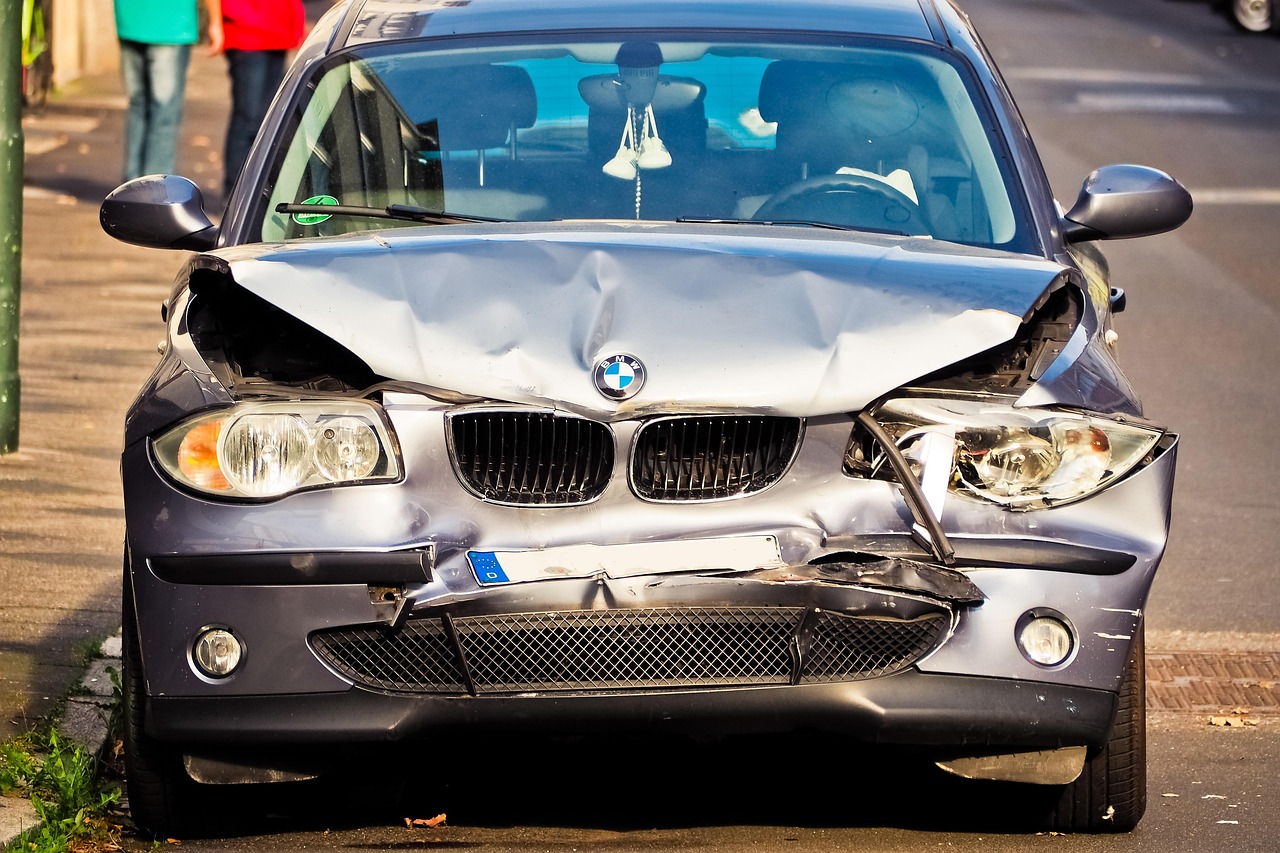
A crash on the Katy Freeway or the 610 Loop is stressful enough. Learning that the at-fault driver has no insurance, or far too little, can make it feel impossible.
That situation is common in Texas. Many drivers carry only the state minimum, and some carry nothing at all. Uninsured and underinsured motorist coverage, often shortened to UM/UIM, is designed to fill that gap, but only if the injured driver has it and understands how it works.
What UM and UIM Cover
Uninsured motorist coverage pays when the at-fault driver has no liability insurance. It also generally covers hit-and-run crashes where the other driver cannot be identified.
Underinsured coverage steps in when the other driver is insured, just not for enough. Texas only requires $30,000 per injured person and $60,000 per crash, and a hospital stay can burn through that in days.
Both coverages can pay for medical expenses, lost wages, pain and suffering, and other damages that the at-fault driver would normally owe. Houston drivers who discover a coverage gap after a crash often ask We Fight Giants personal injury attorneys or another local firm to review the policy before the insurer frames the claim.
Rejecting Coverage Requires a Signature
Every Texas auto policy has to come with an offer of UM/UIM. Turning it down takes a written, signed rejection.
Without a signed rejection, coverage may be included by law. That detail matters after a crash, because some drivers assume they have no UM coverage when the paperwork tells a different story. The Texas Department of Insurance auto insurance guide explains these rules along with the other core coverages Texans can buy.
Start with the declarations page. That one sheet lists any UM/UIM limits and shows whether PIP is on the policy.
Claiming Against Your Own Insurer
A UM/UIM claim is filed with the injured person’s own insurance company. That can sound simple, but the insurer steps into the shoes of the at-fault driver. It may dispute fault, question the severity of injuries, or argue that treatment was unnecessary.
Texas courts have also held that an insurer generally does not have to pay UIM benefits until the at-fault driver’s liability and the amount of damages are established. In some cases, that means litigation against the insurer before payment is made.
Because of that dynamic, many injured drivers get advice before giving a recorded statement to their own insurer. Being a customer does not make the insurer an advocate.
Hit-and-Run Crashes
Texas UM coverage can apply to hit-and-run collisions, but insurers usually require prompt reporting. A police report made soon after the crash is often essential.
Useful details include the time and location, any partial plate number, the vehicle’s color and make, and the names of witnesses. Nearby business cameras can sometimes capture the fleeing vehicle.
Personal Injury Protection Fills Early Gaps
PIP also comes standard on Texas policies unless the driver signs it away. It pays at least $2,500 toward treatment and part of lost pay, whoever caused the crash.
PIP is often the fastest source of money after a crash. It does not replace UM/UIM, but it can help cover early expenses while the larger claim is evaluated.
Other Problems That Can Follow
Uninsured drivers are only one of the complications that can surface after a crash. Lawsuit Zone has covered the unexpected legal and insurance problems that follow accidents, from coverage disputes to liens on settlements.
Health insurers, for example, may seek reimbursement from a UM recovery for medical bills they paid.
Deadlines Still Apply
An injury suit in Texas usually has two years. The policy may add its own clock for UM/UIM claims, starting with a duty to report the crash quickly.
Reporting the crash to the insurer quickly and keeping copies of every communication helps protect the claim.
Coverage Worth Checking Today
The best time to look at UM/UIM coverage is before a crash. Raising limits usually costs far less than people expect, and the protection can make an enormous difference after a serious collision.
For drivers already injured, the first steps are reviewing the policy, reporting the crash, and documenting every injury and expense.
This is general background on UM/UIM coverage for Houston drivers. It is not legal advice about any particular policy or crash.