Credit One Bank Class Action Settlement Guide in 2025
Introduction
The credit one bank class action settlement has been one of the most talked about financial cases of the last several years. It is a landmark moment for ordinary consumers who have been ignored or abused by large banking organizations.
This guide will give you a clear idea of what went down, who is eligible for compensation, and what anyone with credit or personal finance can learn from the case. Whether you’re an existing Credit One customer or you’re just interested in consumer rights, this article spells it all out in plain, human language. Have you checked our detailed guide on vintage broncos ford lawsuit.
Understanding the Case
The case started when several consumers complained that Credit One Bank bungled some credit card accounts and debt reporting practices. Plaintiffs said incorrect credit bureau updates and lack of communication regarding fees resulted in unnecessary financial losses.
Instead of litigating each case separately, a class action was created a single lawsuit with thousands of identical claims. Credit One Bank refused any wrongdoing but ultimately settled the case, enabling hurt customers to get monetary compensation and relief.
The result of this lawsuit drives home an easy message: banks need to consider transparency, accuracy, and honesty as their greatest priorities in their dealings with consumers.
What Is a Class Action Settlement?
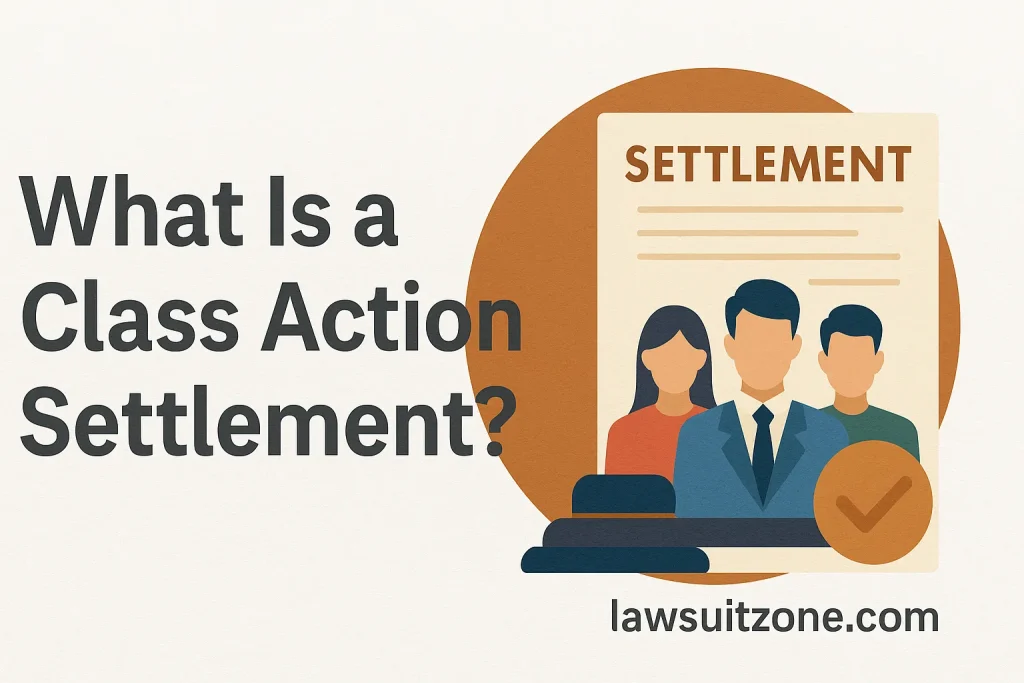
A class action settlement enables many individuals who experienced the same harm to join forces against a single defendant. Rather than each person filing their own lawsuit, everyone’s case is consolidated into one.
This type of case is advantageous for those who might have small claims individually but great collective effect when all added together. In the credit one bank class action settlement, this translated into the ability for thousands of customers with like situations to gain justice simultaneously.
Settlements usually occur when the two sides agree on compensation options without the necessity of proceeding through a lengthy trial. It is time-saving and ensures that harmed customers have relief earlier.
Why the Lawsuit Was Filed
Consumers brought the lawsuit for a variety of reasons that depicted ongoing problems with account management and credit reporting. The key charges were:
- Reporting of closed or sold accounts as inaccurate or misleading.
- Not updating balances accurately with credit bureaus.
- Misrepresenting or ambiguous information about late charges and penalties.
- Unnecessary collection activity after debts were settled or transferred.
These activities purportedly broke consumer protection laws such as the Fair Credit Reporting Act (FCRA), which guarantees that lenders report correct financial information.
The plaintiffs claimed that these mistakes could result in ruined credit scores, lost loans, and long-term financial losses.
Who Is Qualified for Payment?
If you’ve had a Credit One Bank credit card account between the dates of the defined time period, you may be eligible to claim a share of the settlement.
Typically, you are eligible if:
- You were a Credit One Bank card member during the period covered by the lawsuit.
- Your account was sold, charged off, or transferred and then reported in error.
- You were charged or penalized as a result of defective billing or communication.
Class members who are eligible will be sent notices either by mail or email. The notices contain claim IDs and comprehensive filing instructions. Even if you did not get one, you can always verify your eligibility online upon opening the claim portal.
How to File a Claim
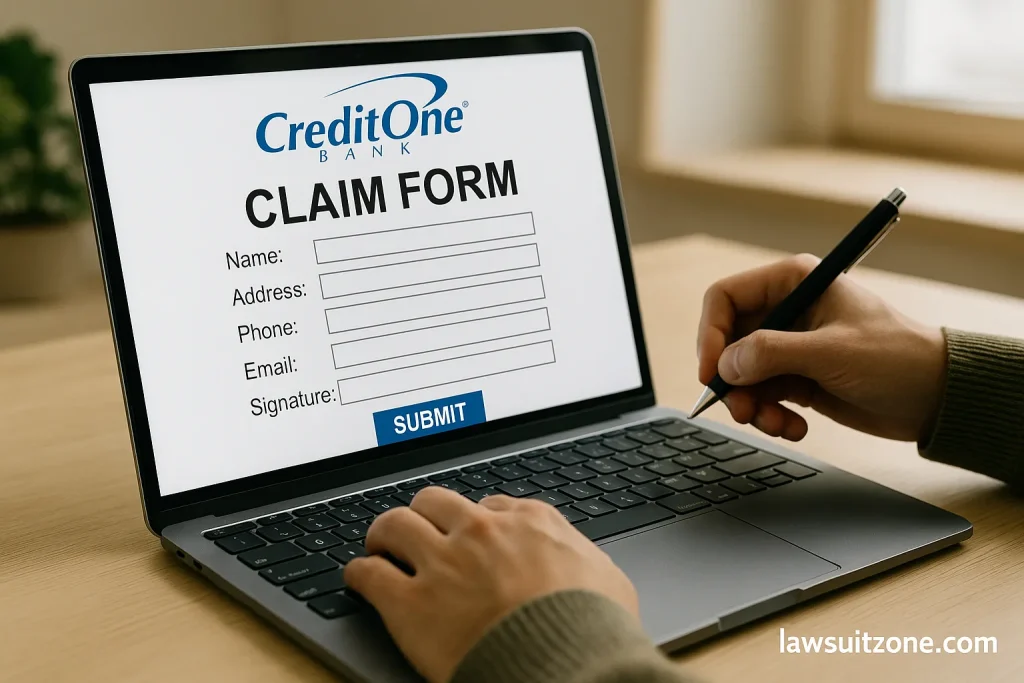
It is easy to file your claim in the credit one bank class action settlement, but you need to do it according to the letter:
Find Your Claim Notice: Look in your email, mailbox, or the settlement website for your individualized claim ID.
Complete the Claim Form: Enter your contact information, account data, and proof of your claim.
Add Supporting Documents: If you have statements or communication records that substantiate your eligibility, attach them.
Read and Submit: Carefully check all information before online or mail submission.
Wait for Processing: Once verified, you’ll be notified regarding your compensation details.
Remember, late or incomplete submissions will likely be rejected, so always file before the listed deadline.
What Type of Compensation Is Available?
The exact settlement payout depends on several factors — including how many people file and how severe their claims are. Generally, participants can expect one or more of the following:
- Cash Payment: Upfront payment of some fees or reporting problems.
- Credit Report Correction: Eradication of inexact information from large credit bureaus.
- Debt Adjustment: Potential credit edits or writing off of inappropriately reported accounts.
Though the amount per individual could differ, these solutions provide financial and also reputational restoration for victims.
Settlement Timeline and Important Dates
Every class action settlement has a court-approved organized timeline. For this one, significant dates are:
- Claim Filing Deadline: Last day to file your claim form.
- Objection Deadline: Deadline to object to the settlement terms.
- Final Court Hearing: When a judge finally ratifies or changes the settlement.
- Distribution Date: When payments or account adjustments are released.
It’s a good idea to monitor the official settlement administrator’s website for the most up-to-date information and deadlines.
How This Settlement Affects Consumers
The credit one bank class action settlement sends a strong message to the financial sector. It reminds business that transparency is not a choice — it’s a duty.
For consumers, this case offers:
- An opportunity to reclaim financial harm.
- Guarantee that data integrity and ethical reporting are being upheld.
- Confirmation that large institutions can be held accountable when they don’t deal fairly.
Settlements such as these prompt other businesses to examine their procedures, ensuring attention to accuracy in billing, credit reporting, and debt collection.
Common Myths About Class Actions
There are a few misconceptions about class action lawsuits that confuse consumers. Let’s dispel them:
Myth 1: Everyone automatically receives payment.
You have to file a valid claim in order to receive compensation.
Myth 2: The company admits fault by settling.
Settlements settle disputes without demanding an admission of fault.
Myth 3: Class actions profit lawyers alone.
Although legal charges are there, settlements guarantee impacted individuals fair compensation and better policies.
Knowing these facts makes you view class actions in a realistic way.
What to Expect After Approval
After the settlement gets final approval, payments and credit corrections take place. Based on your type of claim, you might:
- Get a check or electronic payment.
- Notice changes in your credit report in a few months.
- Receive further instructions for any subsequent corrections.
Most settlements are finished 60–120 days after a court finally approves them.
Later, the case is formally closed — although the business can continue to be watched to make sure it stays in compliance.
What Consumers Can Learn
Whether or not you’re included in the settlement, this case has lessons for all users of credit cards:
- Always read the fine print on your credit card.
- Check your credit report periodically for mistakes.
- Submit complaints in writing and keep copies.
- Stay up to date on your FCRA and other similar law rights.
When consumers remain educated and engaged, they assist in creating a more equitable financial system for all.
Wider Legal Implication
The credit one bank class action settlement is a bigger indication of a movement toward consumer justice. It’s not merely about one firm — it’s about holding all financial institutions accountable for doing what’s right.
This case reaffirms the value of:
- Open account management.
- Ethical credit reporting.
- Stricter regulation of debt buyers and collection agencies.
Each such settlement sends a signal that promotes good behavior throughout the industry as a whole.
How to Stay in the Know
Legal settlements are tricky, and rumors move fast. Always trust confirmed sources like court announcements or consumer protection groups.
For updates on upcoming class actions, consumer protections, and financial settlements, check out the Consumer Federation of America a well-respected nonprofit committed to safeguarding consumer interests across the country.
Frequently Asked Questions (FAQs)
Conclusion
The credit one bank class action settlement isn’t a news headline — it’s a landmark in consumer protection. It’s a demonstration that even big business has to be accountable to the people they serve.
If you’re eligible, make sure to file your claim before the deadline. If not, use this case as motivation to stay alert, informed, and proactive about your financial rights.
In the end, justice isn’t only about money it’s about fairness, transparency, and accountability. And that’s exactly what this settlement represents for millions of American consumers.
Disclaimer
The information provided in this article about the Zantac Settlement Payout (2025) is intended for educational and informational purposes only. It does not constitute legal, financial, or medical advice, and should not be relied upon as such.
Readers are encouraged to consult with a qualified attorney, healthcare professional, or financial advisor regarding their specific circumstances before taking any action.
While every effort has been made to ensure accuracy, lawsuitzone.com and the author make no representations or warranties regarding the completeness, reliability, or outcomes of any claims or legal processes mentioned herein.
Use of this information is at your own discretion and risk.