Uber Lawsuits Guide: Legal Rights, Risks & Case Insights in 2025
As the rideshare industry continues to expand globally, Uber lawsuits have become an increasingly common topic for drivers, riders, and legal professionals. From accidents to safety complaints, from wage disputes to privacy concerns, lawsuits involving Uber reflect the complex nature of a platform that connects millions of people every day. Understanding how these legal issues work and what rights you actually have can help you make informed decisions and protect yourself if something goes wrong. Have you checked our detailed guide on truvada lawsuit.
Why Uber Lawsuits Keep Increasing
The legal actions surrounding Uber continue growing because the platform operates in a unique space. It’s not a taxi company, but it serves the same purpose. It doesn’t employ drivers, but it does control pricing, safety standards, and customer interactions. This separation between responsibility and control often fuels disputes.
As more people begin using rideshare services, more incidents naturally occur—accidents, misconduct complaints, wage conflicts, data issues, and even tragic cases involving serious harm. Increased awareness of rights also encourages more riders and drivers to step forward and hold Uber accountable.
How Uber’s Business Structure Affects Lawsuits
Uber classifies its drivers as independent contractors, which means the company avoids many obligations typical employers have. This classification affects almost every legal case associated with Uber:
- Responsibility in case of accidents
- Liability for driver behavior
- Insurance Cover
- Wage and benefit disputes
- Driver protections
- Wrongful de-activation claims
Courts in several countries have challenged Uber’s contractor model, leading to major settlements and legal reforms. Understanding this structure is crucial because it influences who is legally responsible in various situations.
Most Common Types of Uber Lawsuits
Even though Uber tries to avoid liability through its contractor model, it still faces a wide range of lawsuits. Some of the most common include:
Personal Injury Cases
Filed by passengers, pedestrians, or other drivers after an accident involving an Uber vehicle.
Assault and Misconduct Claims
Involving physical assault, sexual misconduct, harassment, or threats by an Uber driver.
Wrongful Death Lawsuits
Tragic cases brought by families who lost a loved one during or because of an Uber ride.
Driver Misclassification Lawsuits
Drivers claim that Uber treats them like employees but classifies them as contractors.
Wage, Payment, and Tip Disputes
Legal battles over fare transparency, unfair deductions, unpaid waiting time, and algorithm-controlled pay cuts.
Cases of Privacy and Data Breach
Lawsuits involving leaked rider data, GPS misuse, or improper background check procedures.
Large Class-Action Lawsuits
Filed by groups of riders or drivers that are exposed to similar harm or complaints.
Each one has various legal requirements, timelines, and possible consequences.
Understanding Uber Accident Lawsuits
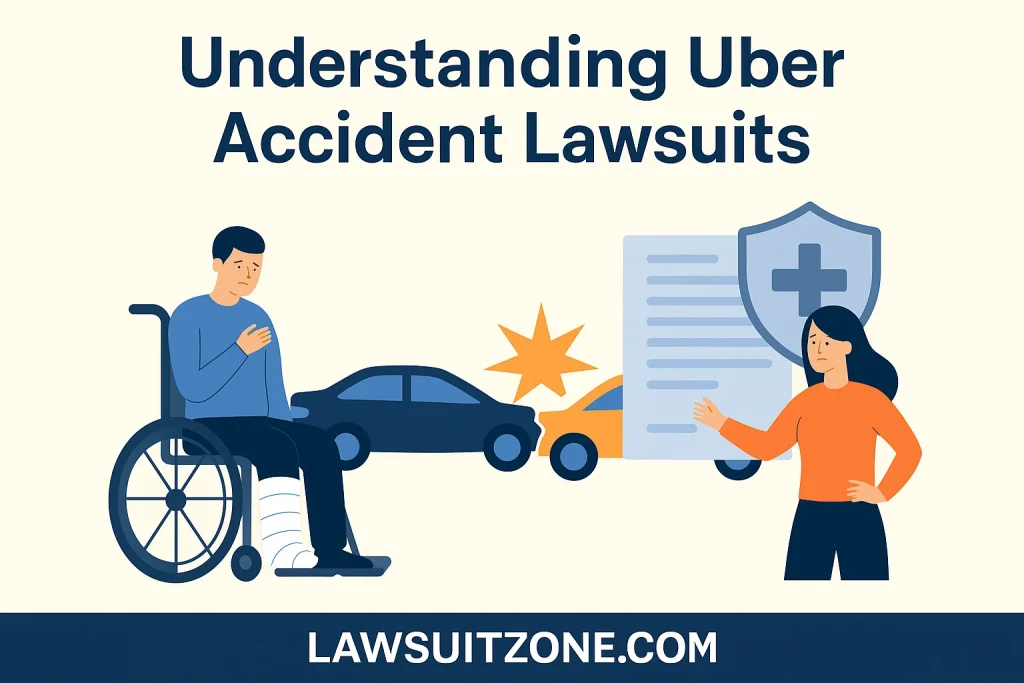
Accidents remain one of the biggest drivers of legal action against Uber. The complications usually arise from how Uber’s insurance activates depending on the driver’s status at the time of the accident.
Insurance Scenarios of Uber
Driver is not using the App
Only the driver’s personal insurance is applied.
Driver Online, No Ride Accepted
Very limited Uber coverage may apply for property damage or injuries.
Driver Has Accepted a Ride or Passenger Is Onboard
Full $1 million liability coverage with Uber usually kicks in.
Common Claims Arising from an Uber Accident
- Medical treatment and hospital bills
- Lost earnings
- Car damage
- Future medical care
- Pain and emotional agony
- Permanent disability
Determining which insurance applies is often the most complicated part of accident-related Uber lawsuits.
Misconduct, Harassment, and Assault Lawsuits Against Uber
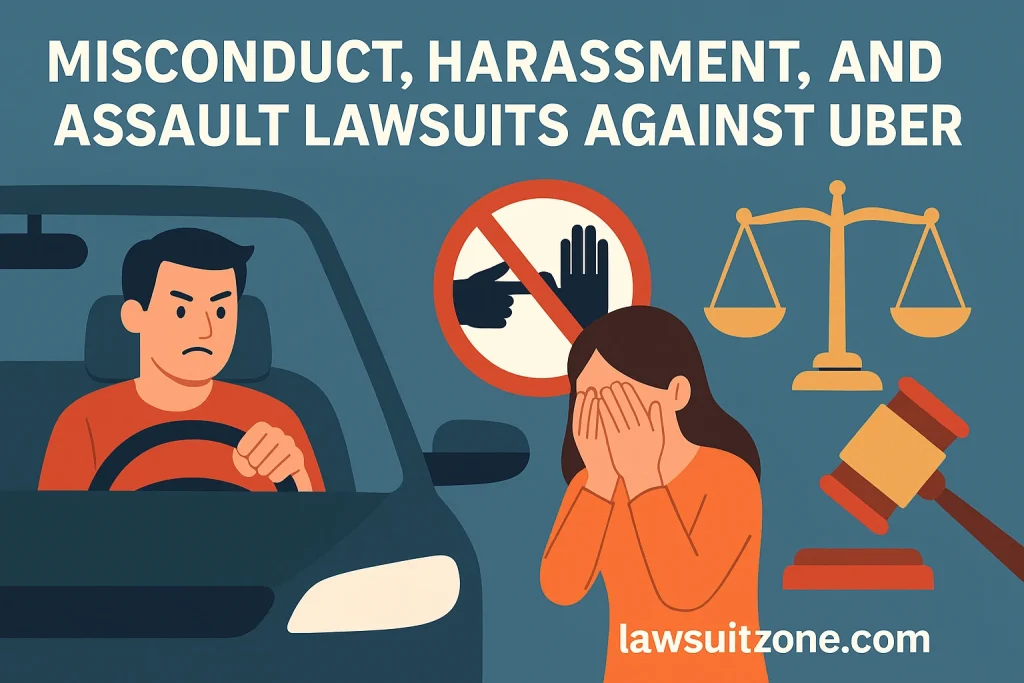
Unfortunately, misconduct cases involving rideshare drivers are a reality across the industry. Survivors often file claims alleging Uber failed to screen drivers properly, ignored red flags, or lacked effective reporting tools.
Typical allegations include:
- Sexual assault or harassment
- Physical assault
- Intimidation or threats
- Attempted stalking or kidnapping
- Verbal harassment or discrimination
Many survivors join class-action lawsuits seeking stronger safety protocols, better driver background checks, and improved reporting systems.
For official safety data and national transportation insights, you can explore trusted resources from the National Highway Traffic Safety Administration (NHTSA)
When an Uber Lawsuit Includes Wrongful Death or Life-Changing Injuries
Some of the most devastating lawsuits involve catastrophic injuries or fatalities. These cases often result in significant settlements because of the extreme emotional, financial, and long-term consequences families experience.
The compensation in such lawsuits may include:
- Burial expenses
- Loss of companionship
- Lost lifetime earnings
- Medical bills before death
- Emotional anguish
- Punitive damages for negligence
Courts frequently analyze whether Uber should have been more responsible in screening or monitoring the driver involved.
Why Uber Drivers Sue the Company
Drivers also file many lawsuits, often tied to workplace fairness and app-related issues.
Misclassification Disputes
Drivers claim they function like employees—they follow Uber’s rules, pricing, and ratings—yet they receive none of the benefits.
Unpaid Work Claims
Drivers say they deserve to be paid for:
- Time wasted waiting for a ride
- Fuel, maintenance, and all other expenses
- Algorithmic pay cuts
Unfair De-activation
Some drivers say they were instantly removed from the platform without clear explanation or due process. Automated decision-making makes this even more complicated.
Pay Transparency Issues
Lawsuits accuse Uber of manipulating fare structures, hiding fee breakdowns, or withholding certain earnings.
These conflicts continue to shape rideshare law across multiple states and countries.
How Class-Action Lawsuits Affect Uber
A class-action lawsuit allows a group of people with similar complaints to sue together. These cases often lead to major policy changes or large settlements.
These class actions generally cover the following areas:
- Passenger safety issues
- Claims of sexual assault or harassment
- Driver misclassification
- Wage and hour violations
- Improper fare calculations
- Data breaches involving millions of users
Because class-action suits can involve thousands of plaintiffs, they can influence the entire gig economy.
Data Breaches, Digital Safety, and Technology-Based Lawsuits
Uber has faced several major controversies involving user data. Legal cases often stem from security lapses or misuse of digital tools.
Concerns include:
- Exposure of rider and driver personal data
- GPS tracking abuse
- Poor background checks
- Unauthorized internal access to user activity
- Security breach failure to disclose
Victims often seek compensation for identity theft, fraud protection expenses, and emotional distress.
What Rights Passengers Have During Uber Lawsuits
The following are the rights a rider enjoys during litigation:
- The right to make an insurance claim
- The right to a personal injury suit
- Protection against retaliation by Uber
- Access to ride records and accident data
- Ability to sue both the driver and Uber, when appropriate
Passengers typically have a stronger legal position because they are rarely responsible for accidents.
What Rights Drivers Have in Disputes and Legal Cases
Drivers also have key rights when navigating legal challenges. These include:
- Needs access to trip data for legal defense
- Filing claims in case a rider causes damages
- Contesting unauthorized deactivation
- Joining class-action lawsuits
- Compensation sought after accidents involving apps
- Reporting hazardous passengers
Even though Uber classifies drivers as contractors, courts in many regions increasingly recognize their need for additional protections.
How to Begin the Process of Filing an Uber Lawsuit
Taking legal action can feel overwhelming, but the process generally follows a clear structure. Understanding the steps early helps protect both your health and your legal rights.
Collect All Evidence
Essential evidence includes:
- Screenshots of the trip
- Driver information
- Photos of injury and/or damage
- Police reports
- Medical records
- Information of the witness
Report the Incident to Uber
Use the in-app help section, email support, or law enforcement depending on the severity.
Consult a Rideshare Attorney
Specialized lawyers can determine liability and calculate potential compensation.
File Legal Claims
This may include:
- Insurance claims
- Personal injury cases
- Civil lawsuits
- Joining a class-action
Negotiate a Settlement
Most Uber lawsuits are settled before they see a courtroom.
Go to Court if Necessary
Only a small fraction of cases are tried, typically when liability is contested.
Summary of Settlement Ranges in Uber Cases
Settlement amounts vary greatly based on injury severity, negligence, and available insurance coverage.
Common ranges include:
- Minor injuries means lower settlement amounts.
- Moderate injuries: Mid-range payouts
- Severe injuries means higher compensation.
- Wrongful death: million-dollar settlements possible
Emotional trauma cases—especially those involving harassment or assault—can vary significantly because of the unique nature of each incident.
How Long Uber Lawsuits Usually Take
The duration of an Uber lawsuit depends on the type of claim and the complexity of the case.
Most of the cases follow these general patterns:
- Minor accident claims settle in months.
- Moderate injury claims may take as long as a year.
- Investigations into misconduct and assault usually take longer.
- Class-action lawsuits can take several years.
Medical treatment timelines also impact settlement speed because attorneys often wait until a victim reaches maximum medical recovery.
When You Should Think About Employing a Lawyer
An attorney may also be indispensable in the following situations:
- You suffered any form of physical injury
- You were harassed or assaulted
- Uber denies responsibility
- The driver was uninsured or underinsured
- You think that the settlement offer is unfair
- You were deactivated without explanation
- You wish to join a class-action lawsuit
Rideshare attorneys typically work on contingency, meaning they only get paid when they win your case.
Practical Safety Tips for Uber Riders
While lawsuits are sometimes unavoidable, smart precautions help reduce risks during rides.
Helpful tips include:
- Check that the license plate matches the app
- Share your trip status with a friend
- Sit in the backseat for safety
- Avoid getting into the wrong vehicle
- Trust your instincts if something feels off
- Adjust your privacy settings in the Uber app
Awareness is one of the best ways to prevent unsafe situations.
Safety and Legal Tips for Uber Drivers
Drivers can also take steps to avoid conflicts, accidents, and lawsuits:
- Maintain your vehicle properly
- Keep insurance coverage up-to-date
- Document any unusual or unsafe rider behavior
- Avoid confrontations with aggressive passengers
- Drive defensively and follow traffic laws
- Keep a dash cam for protection (where legally allowed)
Being proactive helps reduce risks while offering protection during disputes.
FAQs
Final Thoughts on Uber Lawsuits and Legal Rights
The world of Uber lawsuits continues to evolve as the rideshare industry expands and as laws adapt to new technology. Understanding your rights whether you’re a rider, driver, or someone affected by an Uber-related incident gives you the power to navigate disputes more effectively.
Legal action can feel intimidating, but it exists to protect individuals from harm, negligence, and unfair practices. When accidents, misconduct, or disputes happen, knowing how to respond allows you to protect your health, finances, and personal safety.