Costco Wipes Lawsuit: Complete Guide for 2025
Introduction
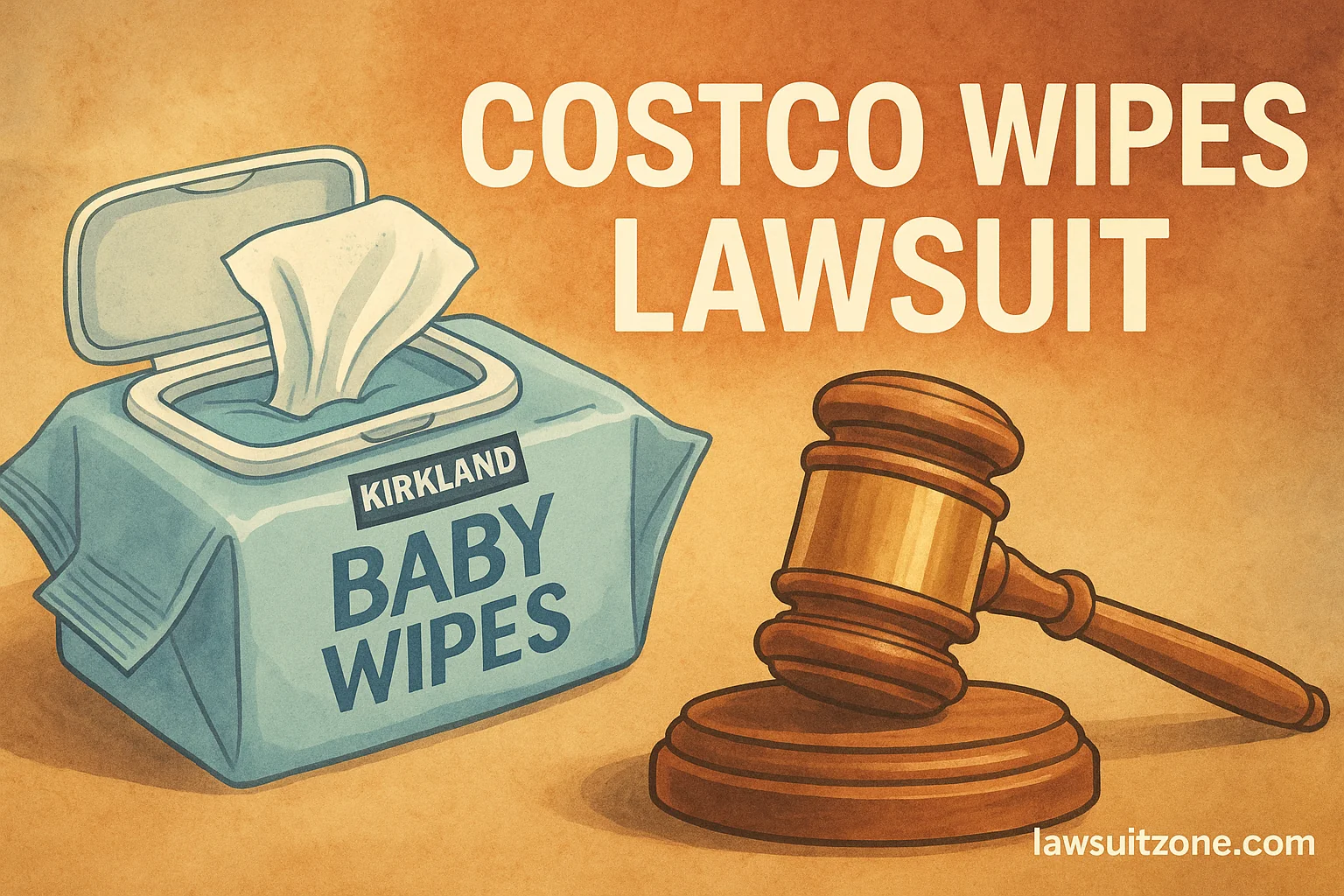
The Costco wipes lawsuit is one of this year’s most discussed consumer safety cases. At the center lies the allegation that Kirkland Signature baby wipes, a well-known household product, contain potentially harmful chemicals while being misrepresented as safe and “naturally derived.”
This case isn’t just about one product; it’s about how companies communicate safety, transparency, and truth in advertising. Consumers, parents, and legal experts alike are watching closely to see how this lawsuit could shape future standards for baby care products and other consumer goods.
With this complete guide, we’ll cover the full background of the lawsuit, claims being made, how Costco has responded, and what lessons it offers for both consumers and businesses. Have you checked our detailed guide on Verizon Customer Data Lawsuit.
What Is the Costco Wipes Lawsuit About?
The Costco wipes lawsuit is about a class-action complaint filed by several consumers who purchased Kirkland Signature baby wipes and felt that the product was not as safe as advertised. The wipes in question, sold as gentle, fragrance-free, and naturally derived, contained trace amounts of synthetic chemicals often referred to as “forever chemicals” or PFAS.
These chemical substances are water- and grease-resistant, yet they also linger in the environment and the human body for many years. The plaintiffs argued that if such chemical preservatives were present, even in small amounts, Costco’s marketing might mislead customers by characterizing such wipes as “natural” and “safe for sensitive skin.”
However, Costco has denied any wrongdoing and maintains its products meet all safety standards and are tested to assure quality.
Why the Case Matters
This lawsuit has become a flashpoint in a larger conversation about corporate accountability, product labeling, and consumer trust.
For parents, the concern is clear: Baby wipes are used daily on infants’ skin, and anything challenging their safety is taken seriously. For the industry, the case could redefine what constitutes a “natural” product and the kind of substantiation companies must make.
But even for those who don’t use these wipes, the Costco wipes lawsuit raises a vital question: To what degree do large companies have to take responsibility to ensure every word on their packaging is 100% accurate?
Background: How It All Started
Costco’s Kirkland Signature line has long been synonymous with a balance of affordability and quality. The company has built a strong reputation around trust and transparency. That reputation came under fire, however, when independent lab testing allegedly detected the presence of certain chemical compounds that were at odds with the product’s “natural” marketing message.
Once these results circulated publicly, consumers began questioning whether they had been misled. Legal teams representing affected buyers took action, claiming Costco violated advertising and consumer protection laws by marketing wipes that did not align with their environmental and safety claims.
The result was a class-action lawsuit — a legal tool that allows many consumers to come together against a corporation when the alleged harm is similar across a large group.
What Are PFAS, and Why Are They Controversial?
The Costco wipes lawsuit centers on PFAS — a family of manmade chemicals used for their resistance to water, heat, and oils. They’ve been found in everything from non-stick pans to waterproof clothing.
The problem? PFAS are virtually indestructible in nature. They do not degrade easily and can even accumulate in the human body over time. They have been linked in studies to potential health issues, including hormonal disruption and developmental concerns.
The lawsuit does not allege that anyone was directly harmed but maintains consumers have a right to know what’s in the products they buy, especially when those products are marketed for babies.
The legal claim is less about toxicity and more about truth in advertising — did Costco present its wipes in a manner that could be misleading to a reasonable buyer?
Allegations in the Lawsuit
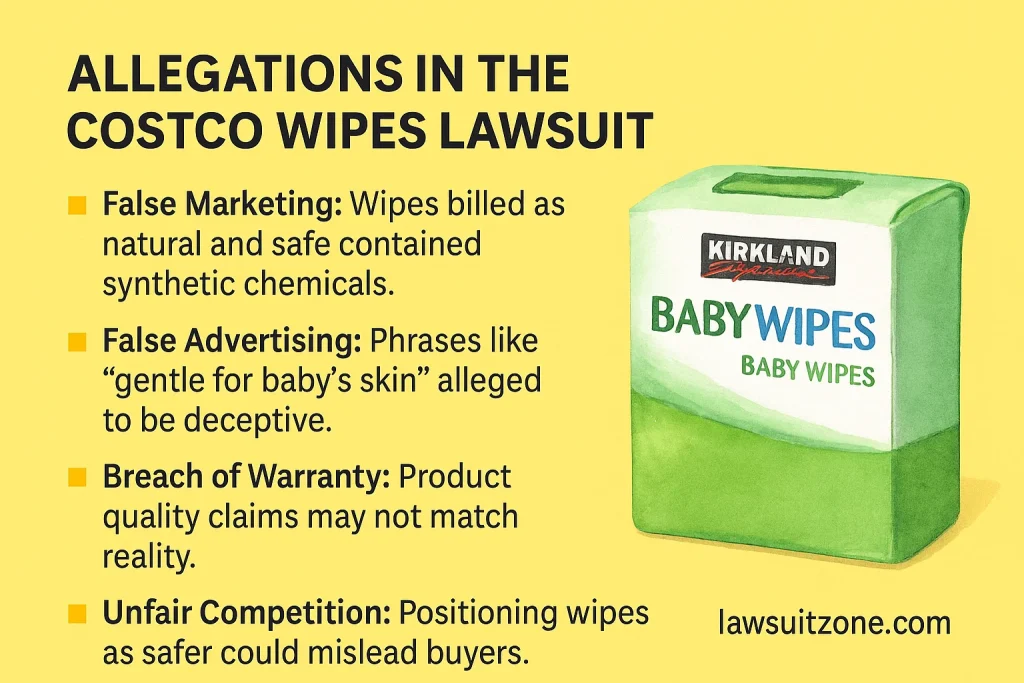
The Costco wipes lawsuit has several key claims by the plaintiffs:
1. Misrepresentation of Safety
Consumers claim that Costco marketed the wipes as natural, safe, and devoid of harmful chemicals — claims at odds with what the complaint states.
2. False Advertising
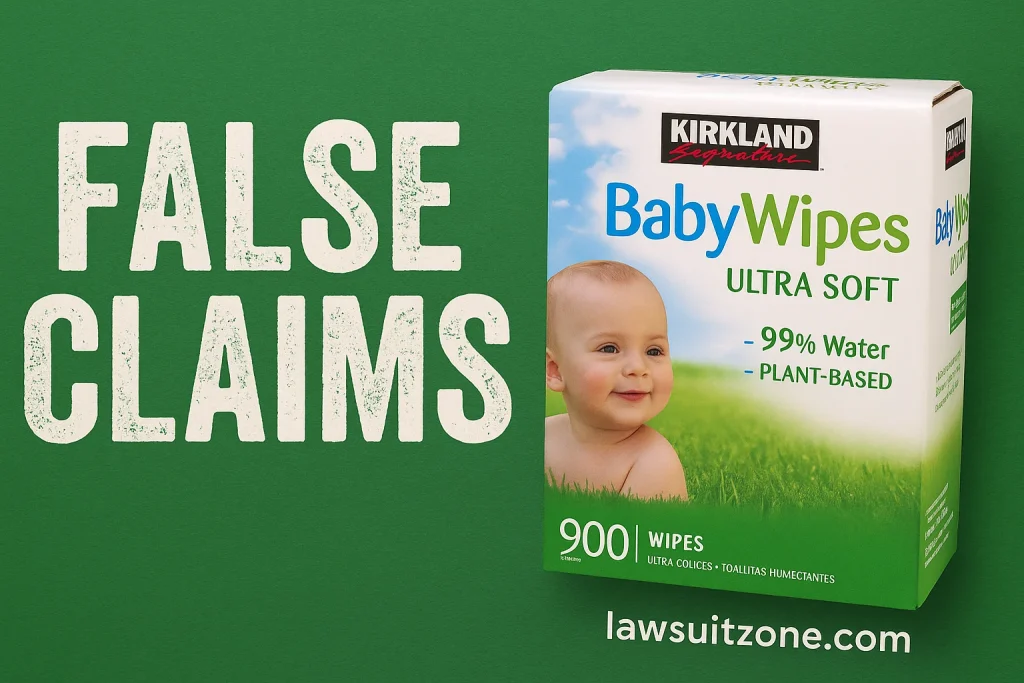
With phrases such as “gentle for baby’s skin” and “made with naturally derived ingredients,” Costco misled buyers who paid a premium for safer products, the plaintiffs argue.
3. Breach of Warranty
The complaint further avers that Costco breached both express and implied warranties in selling a product not consistent with the expectations created by its labeling.
4. Unfair Competition
By positioning the wipes as safer than competitors, plaintiffs claim Costco gained an unfair advantage in the marketplace — one based on incomplete information.
Together, these contentions indicate that even without physical harm from the wipes, the manner of their sale could be considered deceptive under consumer protection statutes.
Costco’s Response
Costco has maintained that its Kirkland baby wipes are both safe and comply with all regulatory requirements. The firm indicates that trace chemical detection does not necessarily prove intentional contamination or unsafe use.
What Costco argues from its corporate perspective is that trace amounts of PFAS — if there are any — could be from environmental contact in the course of production or packaging, not from formulation.
Also, the company has stated that it has always acted transparently and within federal labeling laws. Costco’s strategy has been to cooperate with investigations while strongly defending the integrity of its product and brand.
Legal Grounds of the Case
Several legal concepts are central to this lawsuit:
Consumer Protection Laws
These laws protect buyers from misleading advertising and competition. If a product’s label misleads consumers in making their claims, it could be a violation of these statutes.
False Advertising Regulations
The method of marketing products as “safe,” “non-toxic,” or “natural” requires a company to have substantial evidence to support those statements.
Product Liability Principles
While this case focuses on economic harm rather than physical injury, it still falls under the umbrella of product liability — holding manufacturers responsible for what they sell.
This was filed as a class-action case because many consumers may have bought the same product under similar assumptions, so they can pursue compensation collectively.
Timeline of Events
- Early 2024: Independent reports indicate that some wipes may contain chemicals.
- Mid-2024: Consumers start complaining and asking for refunds.
- Late 2024: The law firms consolidate complaints and file a class-action lawsuit against Costco.
- 2025: The case received national attention as Costco issued statements defending the product’s quality.
The case is still active as of 2025, with ongoing hearings over whether the case should proceed as a certified class action.
The Wider Impact on Consumers
The Costco wipes lawsuit serves as a powerful reminder to everyday consumers: transparency in product labeling counts.
Parents especially are demanding more integrity from companies selling baby and health-related products, increasingly moving to organic or eco-certified alternatives that disclose full ingredient lists and results from testing.
It also symbolizes a growing trend — consumers are no longer passive buyers but well-informed decision-makers who appreciate accountability in a brand.
Industry-Wide Implications
The result of this suit could have wide implications across industries. If Costco is found liable or settles, other brands may reconsider how they label and market their products.
This could lead to:
- Stricter labeling standards for terms like “natural,” “eco-friendly,” and “safe.”
- More rigorous testing of chemical presence in consumer products.
- Increased transparency in advertising and ingredient disclosure.
Essentially, a single lawsuit may set the course through which truth-in-advertising laws will evolve in the next decade.
How Companies Can Avoid Similar Issues
The Costco wipes lawsuit is a cautionary tale for any brand. Companies can avoid similar legal challenges by:
- Verifying claims before marketing — only use “natural,” “organic,” or “safe” when those claims can be scientifically supported.
- Conducting independent testing — regular third-party reviews can help capture problems before products reach consumers.
- Being transparent about ingredient sourcing and certification; include it clearly on packaging.
- Being proactive — when there are problems, honesty builds trust faster than silence.
These best practices not only reduce the legal risks but also reinforce customer loyalty.
How Consumers Can Protect Themselves
Concerned about product safety? Follow these simple steps:
- Read labels carefully: Be cautious of vague marketing terms such as “eco,” “pure,” or “gentle.”
- Research certifications: Look for products verified by recognized safety or environmental standards.
- Save receipts: They may be required if you want to seek compensation in class-action cases.
Knowledge is your best defense — and the Costco wipes lawsuit illustrates very well that even trusted brands deserve scrutiny.
Possible Outcomes of the Case
These cases tend to resolve in one of a few predictable ways:
1. Settlement
Costco might agree to a financial settlement — perhaps offering refunds, vouchers, or label adjustments without admitting fault.
2. Plaintiffs Prevail in Court
If the plaintiffs prevail, the court could order compensation and possibly mandate labeling or changes to the product.
3. Termination or Costco Win
If Costco can successfully show there was no deception or harm, it could be dismissed, further solidifying its product compliance.
Whatever the outcome, the case is likely to have an impact on how consumer goods are sold in the future.
Lessons for Both Businesses and Buyers
This case holds important lessons on both sides of the checkout line.
- For companies: Honesty and transparency aren’t just moral duties; they are also legal obligations.
- For consumers: Awareness and vigilance empower you to demand better products and clearer labeling.
Broader Discussion: Ethics and Accountability
Beyond legality, the case raises ethical considerations. Should companies be held responsible not just for what’s in their products, but also for the message they send about them?
Authenticity is a selling point in today’s marketplace. A brand committed to testing, sourcing, and manufacturing transparency earns more loyalty than one that hides behind broad marketing claims.
The lawsuit also encourages regulators to modernize labeling rules — so that “natural” and “safe” actually mean something consistent across all products.
The Bigger Picture
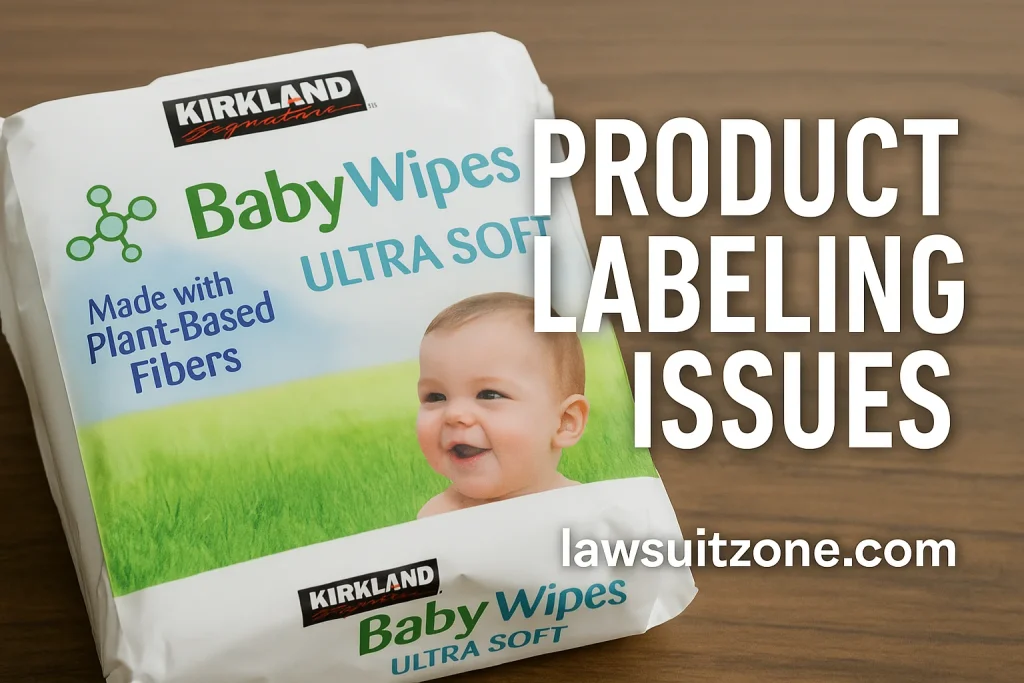
The Costco wipes lawsuit is part of a growing wave of consumer-driven actions challenging how products are presented in the age of information. With social media and digital transparency, it’s nearly impossible for brands to hide inconsistencies.
It shows how quickly consumer voices can turn into legal movements — reminding corporations that accountability is no longer optional.
Resource Integration
As governments tighten oversight on consumer goods, it’s crucial for both brands and buyers to learn how safety standards evolve. You can review updated regulatory guidelines on consumer product labeling through the U.S. Consumer Product Safety Commission a trusted authority that provides resources on testing, labeling, and recall procedures.
This ensures that consumers stay informed and businesses stay compliant within an ever-evolving legal landscape.
Frequently Asked Questions (FAQs)
Conclusion
The Costco wipes lawsuit isn’t about a baby product alone; rather, it’s a story about accountability, transparency, and modern-day consumer awareness.
It shows how even the tiniest inconsistencies in branding can have big consequences. For Costco, the outcome could reshape how its Kirkland line speaks to safety and sustainability. For the broader market, it’s a reminder that today’s consumers read every label, research every claim, and expect honesty in every purchase.
The real takeaway is simple: truth builds trust — and trust builds brands.
Disclaimer
This article is for information purposes only and does not serve as legal advice. Consult a qualified attorney whenever seeking specific guidance.