
The Importance of Precision Tooling in Custom Plastic Production
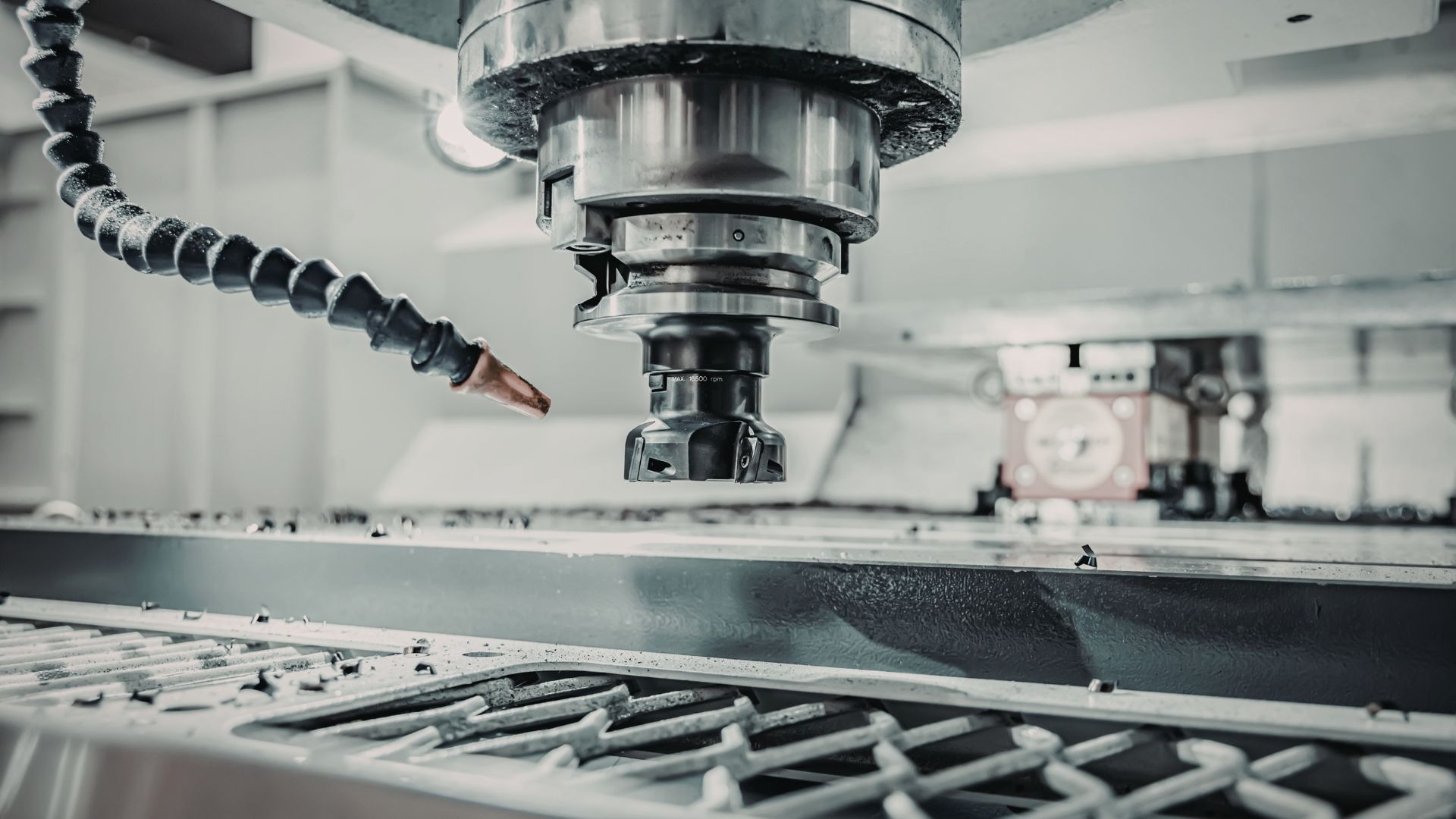
Most people never think about the tooling behind a plastic part. They see the finished component, clean edges, exact dimensions, consistent quality, and assume it just… happens. It doesn’t. Every durable, high-performance plastic part exists because someone made smart decisions about precision tooling services long before production ever started.
With production-grade tooling now available in as few as 2–3 weeks, there’s less reason than ever to cut corners. Custom plastic tooling isn’t just about hitting tight numbers; it’s about laying a manufacturing foundation that actually holds up when you scale.
Precision Tooling Across Custom Plastic Production Methods
Each manufacturing method has its own tooling demands. Get those details wrong, and part quality suffers, sometimes catastrophically. Providers that offer advanced plastic shaping services understand that tooling precision must align specifically with each unique process involved, not just broadly with “plastic manufacturing.”
Injection Molding Tooling Mastery
Custom plastic manufacturing tooling for injection molding is genuinely complex. We’re talking core and cavity components, runner systems, cooling channels, ejector mechanisms, all machined from materials like H13 or P20 steel (sometimes aluminum) using CNC and EDM processes. When these elements come together correctly, you get repeatable, high-quality output. When they don’t, you chase problems for months.
Extrusion and Die Precision
Extrusion dies need tolerances as tight as ±0.001″, and that’s not a suggestion. Thermal management matters just as much. Even slight geometric errors in a die can cascade across long production runs, turning minor miscalculations into major dimensional failures.
Thermoforming and CNC Trimming
Thermoforming lives and dies on mold accuracy and precise CNC trimming. Complex geometries demand tooling that holds tolerances consistently, not just at the beginning of a run, but across the entire batch. If your tooling drifts, your parts drift with it.
Each method depends on precision tooling to hit peak performance. But what truly elevates results is the engineering innovation working behind the scenes.
Core Advantages of Precision Tooling in Custom Plastic Manufacturing
Here’s what changes when you invest in precision tooling: better parts, faster timelines, lower scrap rates. Those advantages don’t trickle in slowly; they stack up quickly and compound over time.
Consistent Part Quality and Dimensional Accuracy
Consider this: poor die geometry alone accounts for 40–60% of dimensional inconsistencies in custom extrusion. That’s not a small number. Well-engineered precision plastic tooling eliminates that variability by maintaining tight tolerances across every single production cycle. Less scrap. Less rework. Fewer headaches downstream.
Enhanced Production Efficiency and Cost Savings
Nobody frames tooling as exciting, but here’s the truth: when you build tooling correctly from day one, cycle times drop, reject rates fall, and your production floor actually runs the way it’s supposed to. That operational smoothness hits your bottom line directly. It’s unglamorous, but it’s real.
Scalability and Long-Term Value
Steel tooling can handle millions of production cycles without meaningful degradation. Think about what that means: you’re not just buying a tool, you’re buying consistency at scale. One solid investment that pays for itself many times over as volume climbs.
Understanding why precision tooling matters is only the first step. Where things get genuinely interesting is seeing how it performs across the different production methods that actually bring custom plastic parts to life.
Engineering Innovations Powering Precision Tooling
Modern tooling isn’t just machined metal anymore. It’s a combination of advanced simulation, digital design, and real-time monitoring, all working together before and during production.
Digital Design and Flow Simulation
CAD modeling and moldflow analysis let engineers catch potential defects before a single chip of material is cut. Virtual simulations eliminate expensive design revisions and build confidence before you commit to a full tooling build. That’s not just efficiency, it’s risk management.
Advanced Machining Technologies
Wire EDM, sinker EDM, and 5-axis CNC machining make complex geometries achievable that traditional machining simply couldn’t touch. Conformal cooling channels, designed through these methods, cut cycle times meaningfully and improve part-to-part consistency in ways that matter at scale.
Smart Tooling and Digital Twins
Sensors now embedded inside tooling track real-time pressure, temperature, and wear data continuously. Digital twin models mirror physical tooling behavior, enabling predictive maintenance rather than reactive scrambling. Competitors rarely talk about this, but the manufacturers using it are running cleaner operations than those who aren’t.
These technologies are genuinely transforming what precision tooling can achieve. Their full potential, though, only unlocks when they’re integrated deliberately across your entire plastic shaping workflow.
Best Practices When Choosing Precision Tooling Services
Choosing the right tooling approach requires a clear strategy. Here’s what actually matters when evaluating your options.
Align Tooling With Production Goals
Steel or aluminum? High-volume production mold or bridge tooling? The right answer depends on part complexity, projected volume, and your budget reality. Choosing the wrong tool type early is an expensive mistake, one that’s genuinely hard to reverse without absorbing high cost and delay.
Set Clear Engineering Requirements
Early design-for-manufacturability (DFM) reviews, and even basic 3D-printed prototypes, catch problems before they become tooling problems. Clear, upfront communication with your tooling partner isn’t optional; it’s the difference between a smooth launch and a costly revision cycle.
Prioritize Maintenance Planning
Precision injection molding tooling drifts out of tolerance without regular inspection and maintenance. Scheduled maintenance cycles, clear repair protocols, and consistent tool validation aren’t overhead; they’re how you protect a significant capital investment and keep production reliable for the long haul.
Future Trends in Precision Tooling for Custom Plastic Production
The tooling landscape is shifting fast. Additive manufacturing is already influencing precision tooling services by enabling rapid prototyping and customized tool designs, reducing the time and cost to develop complex molds. AI-driven design tools, sustainable machining practices, and adaptive tooling systems are all gaining traction. Manufacturers who track these shifts won’t just keep pace, they’ll pull ahead.
Frequently Asked Questions
How tight can tolerances get in custom plastic tooling compared to standard?
Precision tooling achieves tolerances within ±0.0005″ to ±0.001″, significantly tighter than standard tooling. That level of accuracy is critical in medical, aerospace, and electronics applications where variation simply isn’t acceptable.
What’s the trade-off between aluminum and steel tooling for small-volume runs?
Aluminum costs less and machines faster, ideal for low-volume or prototype work. Steel lasts longer but costs more upfront. If you’re planning high-volume, long-run production, steel is almost always the smarter play.
How does real-time monitoring in tooling reduce downtime?
In-tool sensors track pressure, temperature, and wear continuously. Issues get flagged before they escalate into failures, allowing scheduled maintenance rather than reactive scrambles, keeping production moving and costs predictable.
Can precision tooling be made more sustainable?
Absolutely. Efficient CNC machining reduces material waste, on-demand tooling cuts excess inventory, and longer-lasting tools mean fewer replacements. Precision itself is sustainable; fewer defects consume less material overall.
What role does prototyping play in ensuring tooling success?
Prototyping, particularly 3D-printed mockups, validates design intent before any tooling is cut. It catches geometry issues, fit problems, and manufacturability concerns early, preventing expensive revisions to finished tooling later.
Wrapping Up: Why Precision Tooling Deserves Serious Attention
Precision tooling doesn’t get the spotlight it deserves, but it absolutely runs the show. It drives part quality, controls costs, and makes scaling possible without sacrificing consistency. From injection molding to thermoforming, the tooling decisions you make early shape everything that follows downstream.
Don’t treat tooling as an afterthought or a line item to compress. Treat it as a strategic decision, because that’s exactly what it is. Partner with a team that brings genuine engineering depth and integrated capabilities, and you turn good designs into great products, every time.