Vintage Broncos Ford Lawsuit: What Really Went Down
Introduction
The Vintage broncos ford lawsuit is now one of the most discussed legal cases in the automobile and restomod fraternity. It involves Ford Motor Company’s efforts to guard its classic Bronco look against imitation by independent bespoke builders who make vintage-themed cars. This guide offers an in-depth analysis of what went down, why Ford filed suit, how it impacts consumers and builders, and how it will shape the future of old car modifications. Have you checked our detailed guide on Juul Class Action Lawsuit.
The Background: How the War Started
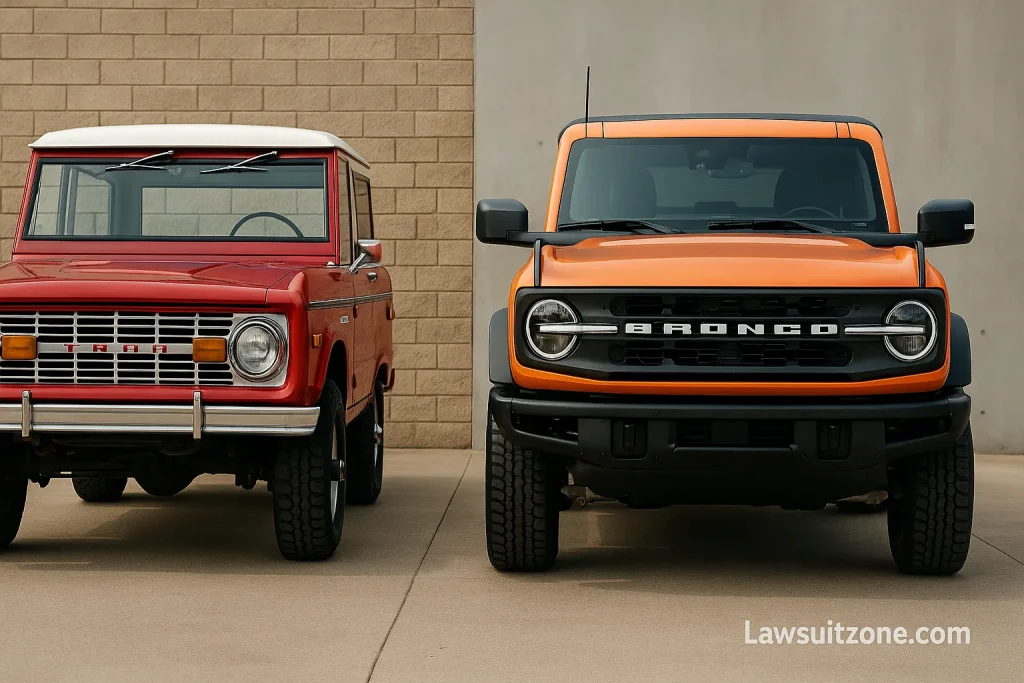
The Ford Bronco has been a cultural icon of adventure and rough style for decades. When the firm revived the contemporary Bronco, passion for the older, boxy “vintage” models exploded. Custom car stores took advantage of this, converting new Broncos into retro-style versions of the original old-school favorites from the 1960s and 1970s.
Yet, Ford asserted that certain of these companies specifically those selling themselves as “Vintage Broncos” were not merely refurbishing classic models but actually producing brand-new vehicles that infringed on its protected trade dress and design identity. That’s how the vintage broncos ford lawsuit came to be centered on intellectual property infringement claims and consumer deception.
Most in the car community view the vintage Broncos Ford lawsuit as corporate overreach, proposing Ford is attempting to monopolize nostalgia and stifle smaller, creative builders. For them, the lawsuit raises critical questions regarding who “owns” the right to a vehicle’s design once it becomes part of cultural history. These discussions may also interest buyers exploring used cars in noblesville, particularly those who appreciate classic vehicle designs and the history behind iconic automotive models.
What Ford Alleges
The lawsuit has three central premises from which Ford makes its claims, according to the lawsuit.
Trademark Infringement: The firm states that the “Vintage Broncos” label employs Ford’s registered name Bronco without consent, leading to the misleading inference of an official affiliation.
Trade Dress Violation: Ford claims that the modified shop’s cars replicate the trademarked external characteristics the grille, body lines, and shape that make the genuine Bronco unmistakable.
Consumer Confusion: Ford feels that potential customers may believe such customized builds are factory-approved or supported by the company, thereby damaging the brand image if the vehicles are not meeting safety or quality expectations.
This strategy is an expression of Ford’s intent to manage its brand’s heritage while safeguarding customers against copying or deceptive promotion.
The Builder’s Perspective
The defendants, however, contend that what they do is within the limits of creative restoration and customization. They say that they restore genuine classic Broncos or newer vehicles with legally obtained parts, turning them into personalized restomods that honor the brand’s heritage rather than exploit it.
Most in the car community view the vintage broncos ford lawsuit as corporate overreach, proposing Ford is attempting to monopolize nostalgia and stifle smaller, creative builders. For them, the lawsuit raises critical questions regarding who “owns” the right to a vehicle’s design once it becomes part of cultural history.
Legal Context: What Makes This Case Unique
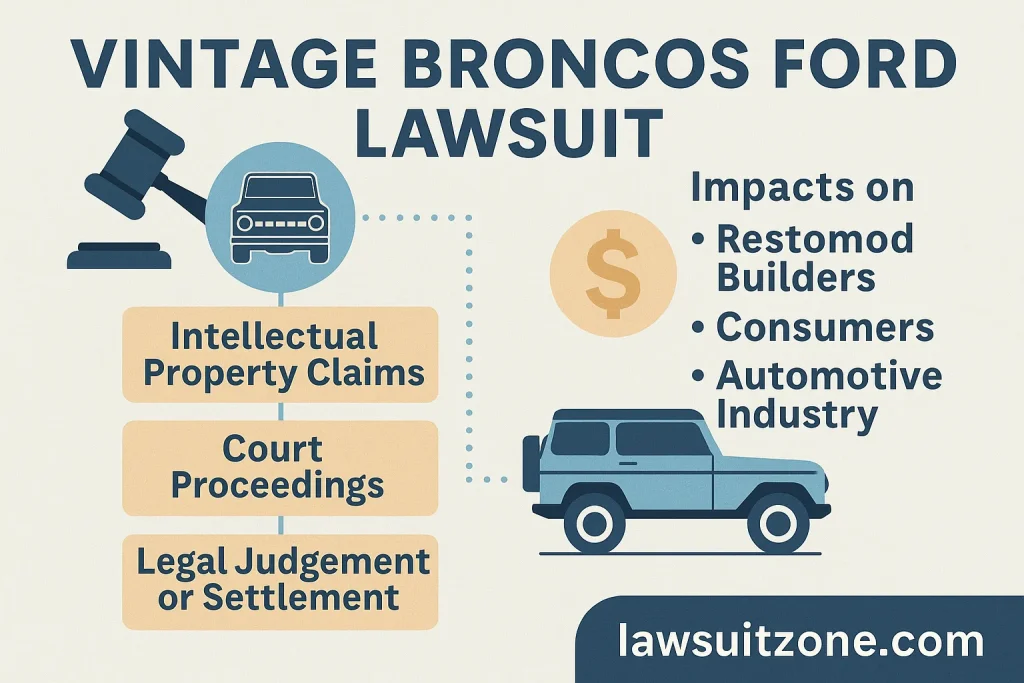
Unlike most trademark disputes, this one blends intellectual property law, automotive design, and consumer protection. Courts must decide whether:
- A car’s appearance can be considered “trade dress” that belongs to the manufacturer.
- A restomod shop violates that protection by selling vehicles inspired by classic designs.
- Custom builders need explicit licenses to create retro-styled products.
If Ford prevails, it would create a strong precedent allowing automakers increased authority over the appearance and resale of customized versions of their models. If the builders prevail, it would safeguard the autonomy of independent creators to reinterpret vintage cars without corporate intrusion.
The Broader Impact on the Industry
The broncos ford lawsuit is not just about any given shop or vehicle model it’s about how the automobile industry and customizers coexist today. Automakers are getting more control over design and brand, and consumers want nostalgia and individualized craftsmanship.
For the restomod market, the case is a wake-up call. Builders are now more cautious regarding branding, licensing, and how they market their builds. Some are already looking for legal partnerships or limited-use licenses to stay away from potential lawsuits.
How This Impacts Buyers and Collectors
If you’re a buyer or collector of custom Broncos, you should take notice. This case has the potential to decide whether certain builds maintain or lose their legal resale value.
Here’s what to remember:
- Always check if the builder is licensed or certified by the automaker.
- Ensure the vehicle you buy includes clear documentation of its status as a restomod, not a factory original.
- Know that legal issues can impact the value, registration, and insurability of worked-on cars.
By being knowledgeable, you can love owning a work of automotive art without finding yourself in a legal gray area.
Cultural and Creative Significance
Outside the courtroom, this case presents a cultural conflict: competition between innovation and tradition. The restomod community applauds creativity reinventing classic designs with contemporary technology, performance, and comfort. Still, car manufacturers like Ford have a valid interest in maintaining their brand image from being watered down or abused.
The vintage broncos ford lawsuit reminds us that car design, like music or art, carries both cultural and commercial value. The outcome will likely influence how companies and creators collaborate on future classic revivals.
Expert Opinions
Legal analysts view this case as a landmark possibility in auto intellectual property law. Some experts interpret Ford’s move as a precautionary measure to preserve exclusivity on its newly rebooted Bronco brand. Others view it as an experiment on how far IP protections can extend into stand-alone artistry.
Industry analysts concur on this: the decision will redefine how automakers approach licensing, aftermarket alliances, and retro-styled design throughout the whole vehicle market.
What Happens Next
The court case could take time, but the verdict will have waves in the automotive industry. In the event of a win by Ford, other companies might follow to safeguard their heritage designs. If it fails, we would witness an explosion of licensed collaborations whereby independent manufacturers can officially produce heritage-themed vehicles with oversight.
Whatever the ruling, the vintage broncos ford lawsuit reminds us that intellectual property doesn’t reside exclusively in tech or fashion—it tears straight through the middle of car culture.
Frequently Asked Questions (FAQs)
Conclusion
The vintage broncos ford lawsuit encapsulates the crash between creativity, nostalgia, and corporate protection. It reminds us that innovation really walks a fine line between inspiration and infringement.
Whether you’re a restomod creator, collector, or fan, the message is clear: respect brand limits, remain open with consumers, and maintain craftsmanship true to form. Ultimately, the harmony between heritage and innovation defines the future of automotive art.
For more insight into car design rights and protection from trademark, you may read expert reports at the World Intellectual Property Review a great source for keeping up on automotive IP law.
Disclaimer: This article is for informational purposes only and does not make any legal claims or provide legal advice. The details discussed are based on publicly available information about the Juul class action lawsuit.