What to Know Before Handling Your Own Divorce Process
Divorce is never an easy decision, but many couples today are looking for ways to make the process less stressful, more affordable, and easier to manage. Not every divorce involves major disputes or lengthy court battles. In some situations, both people are able to communicate calmly, agree on important issues, and work together toward a smoother transition. Because of this, more couples are exploring simplified divorce options that reduce unnecessary conflict and legal expenses.
Handling parts of the divorce process independently has become more common, especially for couples with uncontested situations. When both spouses agree on topics like property division, finances, and parenting arrangements, the process may feel more manageable without going through a long legal dispute. However, handling a divorce on your own still requires preparation, organization, and a clear understanding of legal responsibilities.
Every divorce situation is different, and there is no one-size-fits-all solution. Before moving forward independently, it is important to understand what the process involves and how proper planning can help avoid unnecessary delays, stress, and mistakes later on.
Understand the Responsibilities Before Starting the Process
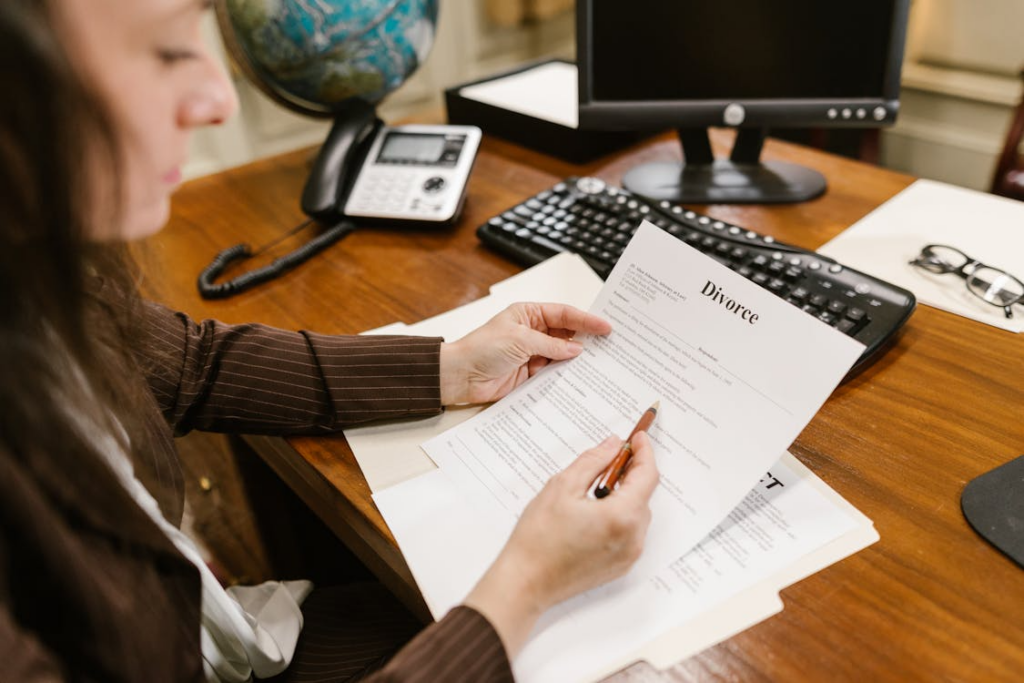
Many people assume that handling a divorce independently is simple, but the process still involves legal paperwork, deadlines, financial decisions, and detailed communication between both parties. Even uncontested divorces require careful attention to forms, filing requirements, and state-specific rules. Being organized from the beginning can help prevent confusion and reduce stress later.
Many couples consider filing for divorce without a lawyer when they already agree on important issues and want a more affordable, lower-conflict approach to ending their marriage. In these situations, professional document preparation and guidance services can help couples understand the required paperwork, filing steps, and agreements needed to move through the process more efficiently while avoiding some of the high costs often associated with traditional litigation.
Independent filing tends to work best when both spouses are cooperative, and there are no major disputes involving finances, child custody, or property division. Couples who can communicate respectfully and stay focused on practical solutions usually have a smoother experience overall.
Preparation is one of the most important parts of the process. Before filing, both people should review financial records, gather important documents, and make sure they understand their state’s legal requirements. Missing paperwork or filing errors can create delays that make the process more stressful and time-consuming.
Clear communication also plays a major role in avoiding unnecessary conflict. Even when emotions are involved, staying organized and respectful can help both parties move through the process with fewer complications. Handling a divorce independently may save money and reduce conflict in the right situations, but it still requires patience, cooperation, and careful attention to detail.
Organize Financial and Legal Documents Early
One of the smartest things couples can do before starting the divorce process is to gather financial and legal documents as early as possible. Having organized records helps prevent confusion later and makes discussions about property, expenses, and responsibilities much easier.
Important documents often include bank statements, tax returns, mortgage records, retirement accounts, insurance policies, credit card balances, and information about shared debts or assets. Both parties should have access to accurate financial information before making any major decisions.
Financial transparency is important because misunderstandings about money often create unnecessary tension during divorce. When both people clearly understand the financial situation, it becomes easier to negotiate agreements fairly and avoid future disputes.
Keeping organized copies of all paperwork can also help reduce stress throughout the process. Creating folders, digital backups, or written checklists makes it easier to track deadlines and important information.
For couples with children, organizing records related to school schedules, medical information, and childcare expenses can also make parenting discussions more manageable. The more prepared both people are, the smoother conversations tend to be.
Being proactive with paperwork may not feel exciting, but it often saves time and frustration later. A good organization creates a stronger foundation for moving through the process more efficiently and confidently.
Focus on Communication and Cooperation Whenever Possible
Respectful communication is one of the most important parts of handling a divorce successfully. Even when emotions are difficult, keeping conversations calm and focused on solutions can make the process much smoother for everyone involved.
Couples who cooperate are often able to reduce stress, lower legal expenses, and finalize agreements more quickly than those who constantly argue. Clear communication becomes especially important when discussing topics like parenting schedules, finances, shared property, and future responsibilities.
For parents, maintaining respectful communication also helps children adjust more easily during the transition. Conflict between parents often creates additional emotional stress for children, while cooperation helps create a more stable environment.
One helpful approach is focusing on practical solutions rather than revisiting past disagreements. Divorce discussions can easily become emotional, but staying focused on the future often leads to healthier decisions and less conflict overall.
It is also important to listen carefully and remain flexible when possible. Not every issue will be resolved immediately, and compromise is often necessary during the process. Approaching conversations with patience and understanding can help prevent unnecessary arguments.
Even small improvements in communication can make a major difference. Couples who remain respectful throughout the process often feel more emotionally prepared to move forward after the divorce is finalized.
Handling your own divorce process can work well in certain situations, especially when both people are willing to cooperate and stay organized throughout the process. Independent divorce options often help reduce legal costs, lower stress, and create more flexible solutions for couples who already agree on important issues.
Preparation plays a major role in creating a smoother experience. Organizing financial records, communicating respectfully, understanding legal responsibilities, and knowing when to seek guidance can all help prevent unnecessary complications.
Every divorce situation is different, which is why it is important to carefully evaluate your circumstances before deciding how to move forward. While handling the process independently may work well for some couples, others may benefit from additional support depending on their financial or parenting situation.
Divorce is never simple, but thoughtful planning and respectful communication can make the transition healthier and less overwhelming. With patience, preparation, and realistic expectations, many people are able to move forward with greater stability and confidence as they begin the next chapter of their lives.