Dr. Kevin Sadati Lawsuit: Patient Insights & Legal Guide in 2025
Introduction: Why This Lawsuit Caught Attention
The Dr. Kevin Sadati lawsuit is more than another legal news story—it represents the conflict between patient expectation and the duty of medical professionals. Cosmetic surgery is a very individualized choice, often related to self-esteem, career, or even health necessity. When a trusted surgeon is accused, it raises questions far beyond the courtroom: Can patients ever rely on their providers? What are the protections if something goes awry? And how does the law intervene?
This article examines those issues in depth. Have you checked our detailed guide on Hello Toothpaste Lawsuit
Who Is Dr. Kevin Sadati?
Dr. Kevin Sadati established his reputation as a talented facial plastic surgeon who offers natural-looking facelifts, rhinoplasty, and minimally invasive treatments. His skill and creativity made him renowned throughout California and national media.
For most patients, he was the promise of safe change. That’s why this lawsuit generated so much excitement—when faith in such a person is shaken, it shakes the whole cosmetic surgery field.
How Lawsuits Against Surgeons Get Started
Medical suits typically occur when patients are disappointed or injured. Reasons are:
- Inadequate informed consent (patients not properly informed of risks).
- Complications or bad results beyond typical risks.
- Negligence or malpractice issues involving technique or aftercare.
- Billing or insurance disputes.
- Professional conduct issues outside the operating room.
The Dr. Kevin Sadati case captures many of these concerns. Though facts are in dispute, the common theme is whether standards of patient care were met.
Allegations at the Heart of the Lawsuit
Patients involved have complained about:
- Outcomes of surgery they didn’t expect.
- Complications, they claim, that could have been avoided.
- Issues of transparency—whether risks were disclosed clearly.
It’s worth noting: these are allegations until they’re established in court. A lawsuit is not a judgment—it’s an inquiry in search of facts.
Patient Perspectives: Voices Behind the Case
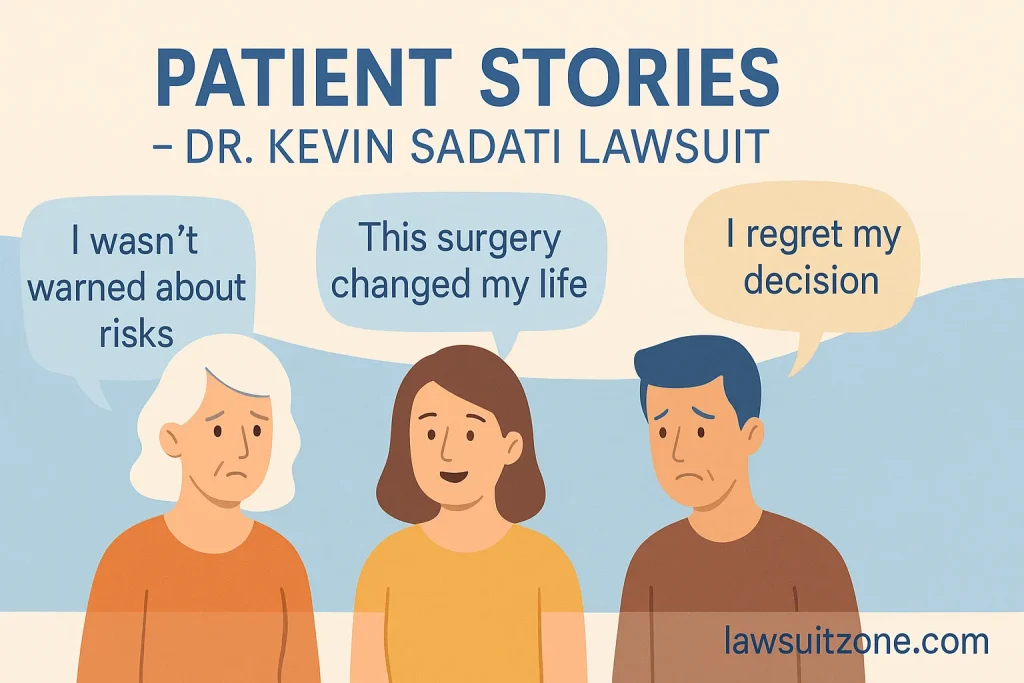
Certain patients report life-altering distress—physical discomfort, emotional burden, financial hardship from corrective surgeries. One former client wrote online: “I trusted the professionalism, but the recovery was not what I thought. I was not prepared for the troubles that followed surgery.”
Others defend Dr. Sadati, highlighting his skill and professionalism. This duality is common in medical lawsuits—no doctor has only unhappy patients, but even a handful of serious complaints can trigger legal action.
Breaking Down the Legal Process
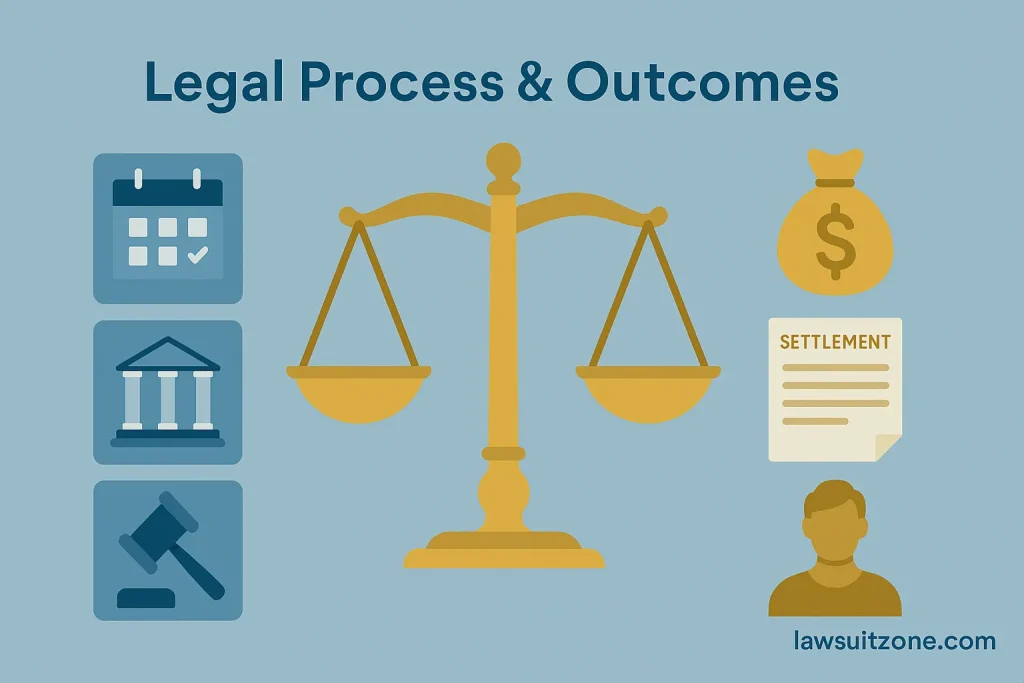
To understand the Dr. Kevin Sadati lawsuit, it helps to see the step-by-step journey:
- Filing the claim – Patients formally submit allegations.
- Legal response – The doctor and defense attorneys reply.
- Discovery – Both parties share medical records, expert reports, and depositions.
- Pre-trial hearings – Attempts to settle or limit the case.
- Trial or settlement – The judge rules, or both sides reach an agreement.
- Post-trial actions – Appeal or medical board hearings.
This is a long process that may take years.
Potential Outcomes for Dr. Kevin Sadati
The lawsuit might yield a number of possible outcomes:
- Dismissal if evidence doesn’t hold.
- Settlement for out-of-court financial reimbursement.
- Trial verdict favoring either party.
- Professional review by medical boards, which may affect licensing.
For patients watching closely, the outcome will shape not only Dr. Sadati’s practice but also broader conversations around elective surgery safety.
Why This Lawsuit Matters to Patients Everywhere
Even if you’ve never heard of Dr. Sadati before, his case matters because it reflects challenges many patients face:
- Balancing hope for transformation with realistic risks.
- Navigating marketing promises vs. medical realities.
- Having legal protections in place in case of injury.
When prominent surgeons are sued, it brings the entire profession closer to increased responsibility.
Lessons for Patients Entering Surgery
This lawsuit highlights something every patient should do prior to selecting a surgeon:
- Check board certification via reputable sources such as the American Board of Medical Specialties.
- Get straight answers regarding risks and complications.
- Study before-and-after galleries with a discerning eye.
- Get second opinions prior to committing.
- Carefully read reviews, paying attention to both praise and criticism.
Empowered patients are safer patients.
Similar Lawsuits in the Cosmetic Surgery World
The Dr. Kevin Sadati lawsuit isn’t an outlier. Throughout the U.S., surgeons have been sued over allegations of negligence, botched procedures, or inadequate informed consent. Some were settled quietly, while others created blockbuster headlines.
However, each of these cases peels away at one main issue: the requirement for transparency in elective medicine.
Timeline of Major Developments
- Initial filing – Complaints of the patients officially filed.
- Discovery – Medical evidence reviewed.
- Court hearings – Attorneys present their case.
- Current status (2025) – Continuing proceedings with potential updates this year.
The Bigger Picture: Trust in Healthcare
At its core, this lawsuit isn’t about a single doctor. It’s about how patients trust medical professionals, how professionals walk the line between innovation and safety, and how legal systems respond when that trust is breached.
Cosmetic surgery is where beauty, health, and law intersect. That makes transparency a necessity—and not an option.
FAQs: Dr. Kevin Sadati Lawsuit
Final Thoughts
The case of Dr. Kevin Sadati is a reminder of the fine line between professional expertise and patient trust. For some, it’s a cautionary tale about the dangers of cosmetic surgery. For others, it’s a reminder that even very good people with very good skills can be scrutinized.
As the case plays out in 2025, its implications reach far beyond one surgeon: to each patient contemplating surgery, each doctor who conducts it, and each system designed to guard both.