Elmiron Lawsuit: When a Bladder Drug Leads to Vision Damage in 2026
Introduction
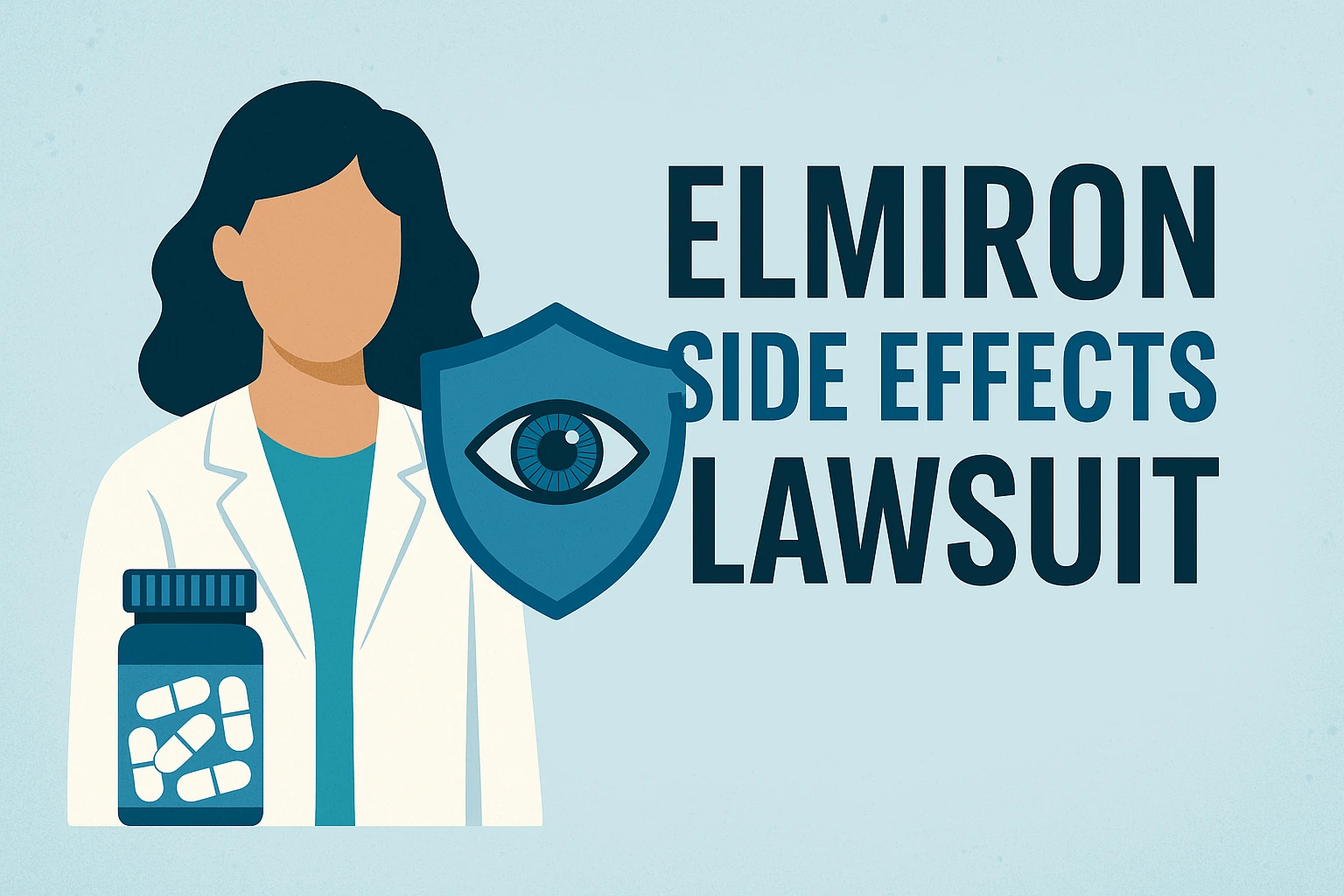
Elmiron cases relate to patients who suffered irreversible vision damage despite being unaware of progression when taking Elmiron, a prescription medicine used for interstitial cystitis treatment. The medicine worked well for these patients in relieving bladder pain until vision symptoms impacted their everyday life functions. Years later, research emerged pointing towards a possible connection with irreversible vision damage.
For any patients affected, a lawsuit against Elmiron can be an avenue towards justice, financial restitution, and recognition of suffering which may have otherwise been avoided with proper warning. Have you checked our detailed guide on Zoloft While Breastfeeding Lawsuit.
Comprehension of Elmiron and Long-Term Use
Elmiron, also known under its generic name of pentosan polysulfate sodium, has been used for years as a medication for interstitial cystitis, a chronic disease characterized by pressure in the bladder and pain in the pelvis region. Given that interstitial cystitis is a chronic illness that must be controlled for a lifetime, patients were advised to take Elmiron every day for a prolonged period of time.
While taking short-term drugs, people took Elmiron consistently for 10, 15, or up to 20 years without any signs of a possible risk of affected eyesight.
Connecting Elmiron Use With Eye Damage
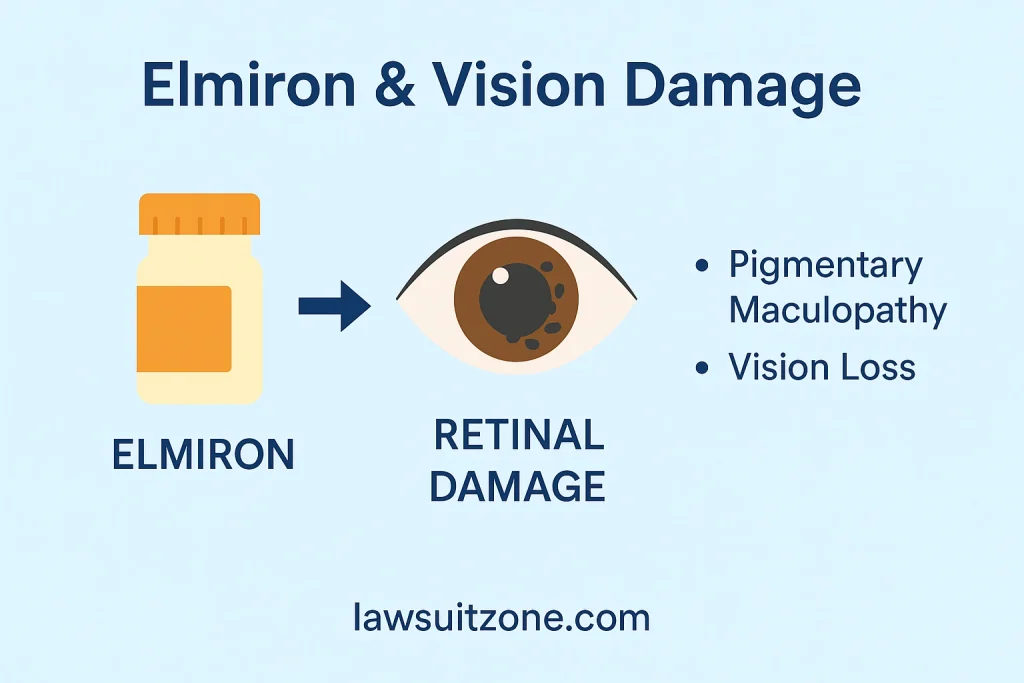
The relationship between Elmiron and vision damage did not come to light via early clinical trials. Rather, notice took when ophthalmologists observed unusual vision damage in patients with a common thread – all were using Elmiron.
Further research led to a pattern of pigmentary maculopathy in relation to the macula and retina, which is where sharp vision is achieved. This new information altered perspectives on safety in the medical and patient communities and formed a basis for an Elmiron lawsuit.
What Is an Elmiron Lawsuit?
An Elmiron lawsuit is a product liability lawsuit initiated by patients alleging harm from Elmiron, which damaged their retina, and for which insufficient warning information had been provided by the pharmaceutical company making this medication.
Rather than targeting prescribing doctors, these suits claim that the manufacturer knew, or ought to have known, of the risk of harm from long-term exposure and took no steps in time to protect patients.
Vision Conditions Commonly Expressed Among Patients Taking Elmiron
Patients participating in an Elmiron lawsuit have presented with a common set of symptoms, which include:
Pigmentary Mac
A type of damage to the retina which is strongly linked with exposure to Elmiron.
Loss of Central Vision
Having trouble with reading, face recognition, or detail vision.
Blurred or Distorted Vision
Some straight lines can appear wavy or indistinct.
Poor Night Vision
Problems with adjusting to dark or night driving.
Progressing Vision Loss
Symptoms which have worsened despite cessation of Elmiron intake.
A sizable number of patients were misdiagnosed before they got the right treatment.
Why Elmiron Cases Appeared So Late
One of the most discouraging elements of the Elmiron lawsuit is the passage of time. The medication gained approval in the 1990s but did not have a warning for eye damage until many years later.
Cases against Elmiron allege:
- Long-term safety studies were inadequately conducted
- Post-market surveillance was inadequate
- Early warning signs were ignored
- Patients were not given informed choice
Warnings emerged when countless users had already suffered harm.
Pharmaceutical Industry Responsibility & Drug Safety Act
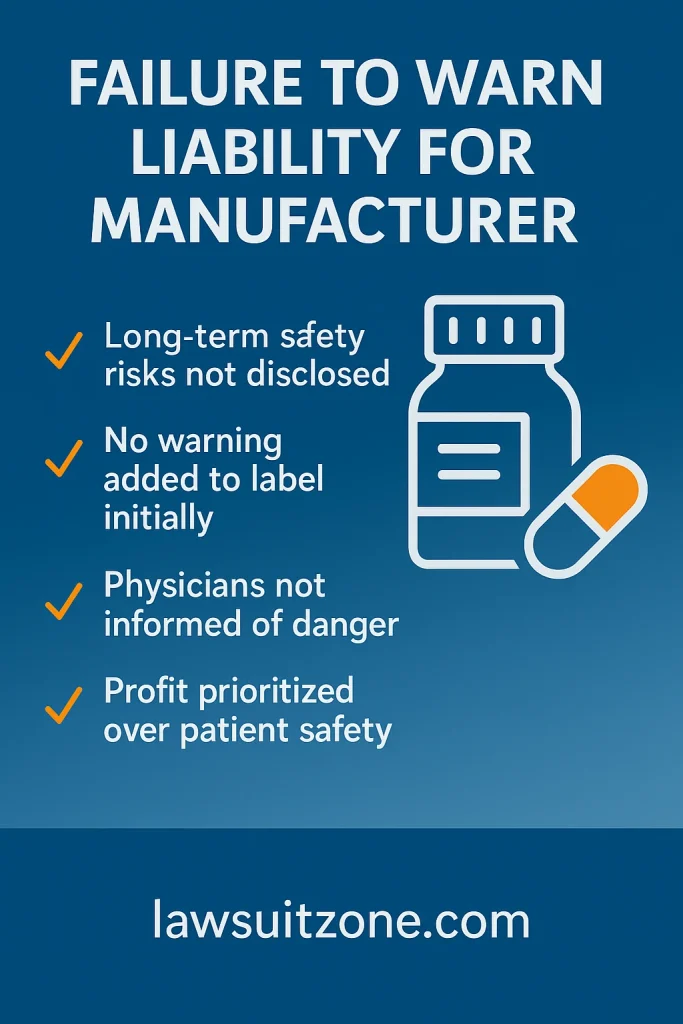
The pharmaceutical industry is legally mandated to make a product safe and disclose known dangers. These requirements include:
- Long-term testing for safety
- Label updates in light of emerging risks
- Notifying physicians
- Patient safety being placed before sales
The lawsuit against Elmiron claims a failure in all these respects.
Scientific and Regulatory Foundation for Elmiron Claims
Research evidence in medical journals and among ophthalmologists confirms Elmiron’s connection with retina damage. Moreover, government authorities are now aware of this risk.
Research studies have been published by the National Institutes of Health concerning cases of retinal diseases and pharmaceutical vision damage, which have underpinned various court cases concerning pharmaceutical vision damage.
Legal Theories in Elmiron Litigation
Failure to Warn
Patients assert they were never made aware of the chance of permanent vision loss.
Negligent Drug Design
Allegations of Elmiron being unsafe for continuous consumption.
Incorrect Labeling
Warnings were not given or were delayed despite emerging evidence.
Fraudulent Concealment
Allegations of withholding information on risks.
Loss of Consortium
Filed by relatives impacted by a patient with a disability.
Who Is Eligible to File an Elmiron Lawsuit?
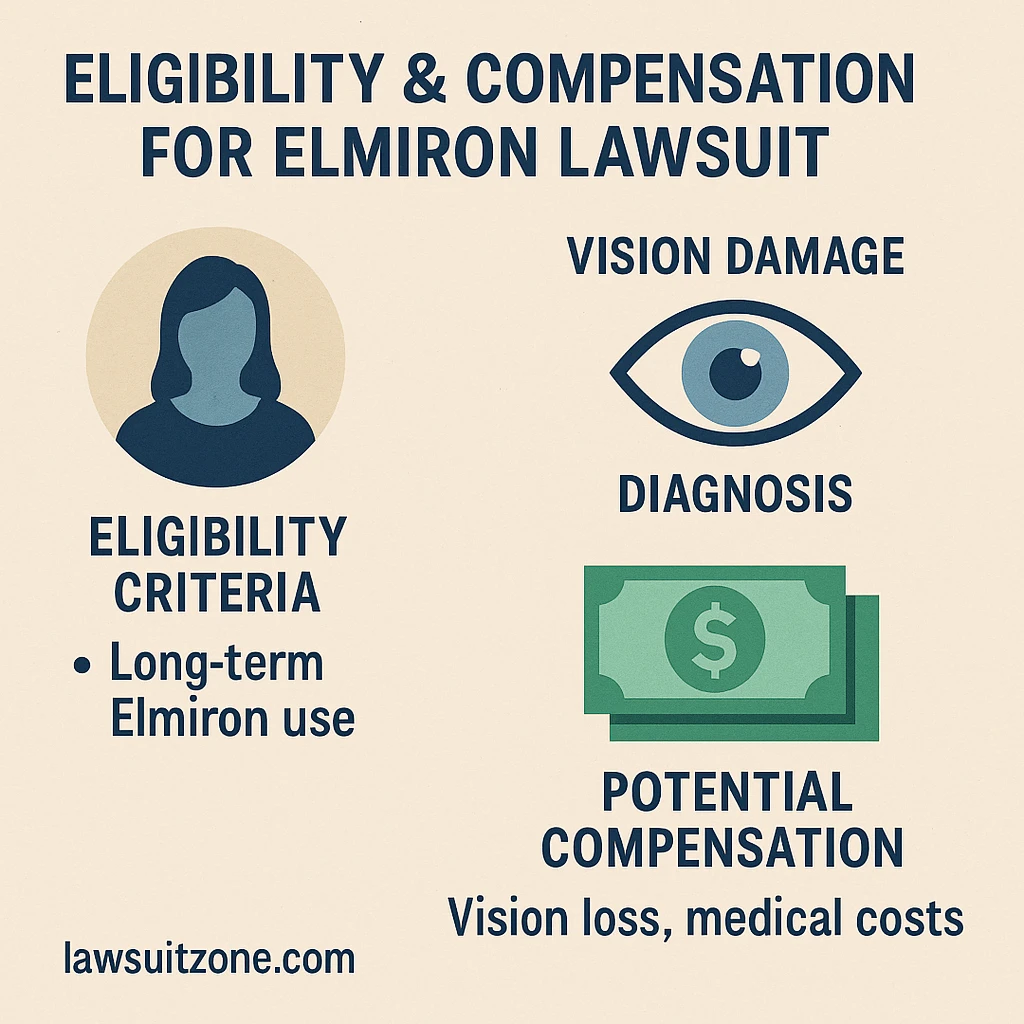
Qualifications for an Elmiron lawsuit include:
- You took Elmiron for months or years
- You were diagnosed with retinal damage or maculopathy
- You had unusual vision symptoms
- Other causative factors were excluded
- Vision loss affects daily life
Former patients may still be eligible even after stopping treatment.
Impact of Vision Damage on a Person’s Life
Injuries related to Elmiron affect patients beyond eyesight and may include:
- Loss of independence
- Problems with working or reading
- Emotional problems and depression
- Ongoing medical follow-up
- Fear of further vision decline
These impacts play a critical role in compensation evaluation.
Benefits Offered in an Elmiron Lawsuit
Potential compensation may include:
- Ophthalmology and treatment costs
- Vision aids and adaptive technology
- Loss of income and future earning capacity
- Pain and suffering
- Permanent impairment damages
Cases involving severe or bilateral vision loss may lead to higher settlements.
Individual Cases vs Coordinated Proceedings
Individual Cases
- Personalized evaluation
- Case-specific damages
- Independent settlement potential
Mass Tort Litigation
- Shared expert testimony
- Centralized discovery
- Efficient handling of large claim volumes
Most Elmiron claims are handled as mass tort actions rather than class actions.
Filing Deadlines and Legal Timing
Statutes of limitations vary by state and may depend on:
- When vision damage was diagnosed
- When the connection to Elmiron was discovered
- Product liability laws
Delayed discovery rules may apply in many cases.
What Patients Can Do Now
If you believe Elmiron damaged your sight:
- Schedule a retinal exam
- Inform your doctor about Elmiron use
- Collect prescription records
- Document visual symptoms
- Consult a drug injury attorney
Early action protects both health and legal rights.
Importance of Elmiron Lawsuits
Elmiron lawsuits help:
- Improve pharmaceutical safety regulations
- Hold manufacturers accountable
- Promote transparency
- Protect future patients
- Validate patient experiences
These cases emphasize long-term responsibility for long-term medications.
Commonly Asked Questions
Conclusion
A lawsuit against Elmiron offers critical relief to patients who suffered vision damage after trusting a medication believed to be safe. These cases focus on accountability, transparency, and patient safety. If you or someone you know has experienced vision changes after Elmiron use, legal help may be available. Understanding your rights is the first step forward.