Grande Lash Lawsuit 2025: A Complete Consumer Protection Guide
Introduction: When Beauty Products Enter the Courtroom
Beauty has always depended on aspiration long lashes, radiant skin, and a promise of eternal youth. Among the products that rode a wave of popularity is Grande Lash-MD, a serum positioned as an easy fix for fuller, healthier eyelashes. However, beneath its shiny marketing and celebrity endorsement is controversy. In recent years, the Grande Lash lawsuit has ignited heated discussions regarding consumer protection, deceptive advertising, and the gray area between cosmetics and drugs.
This entire guide lays it all out about the lawsuit: what caused it, the ingredients in question, actual consumer experiences, medical expert advice, and safer alternatives to look into. Most importantly, you’ll know how to guard yourself as a consumer in an industry where everything that glitters is not gold. Have you checked our detailed guide on crepe erase lawsuit.
What Is Grande Lash-MD
Grande Lash-MD is an eyelash thickening serum from Grande Cosmetics. Its claim: denser, longer, stronger lashes from daily use. Sold as a cosmetic, not a drug, it made its way into beauty bags across the globe.
Why It Caught On
- Found in mass-market stores such as Sephora and Ulta
- Supported by influencer marketing and social media hype
- An inexpensive substitute for lash extensions
- Marketed as safe, simple to apply, and dermatologist-approved
But even with its popularity, increasing customer complaints spawned lawsuits challenging its safety record.
The Essential Issues in the Grande Lash Lawsuit
The legal issues with Grande Lash revolve around four critical points:
1. Prostaglandin Analogs in the Formula
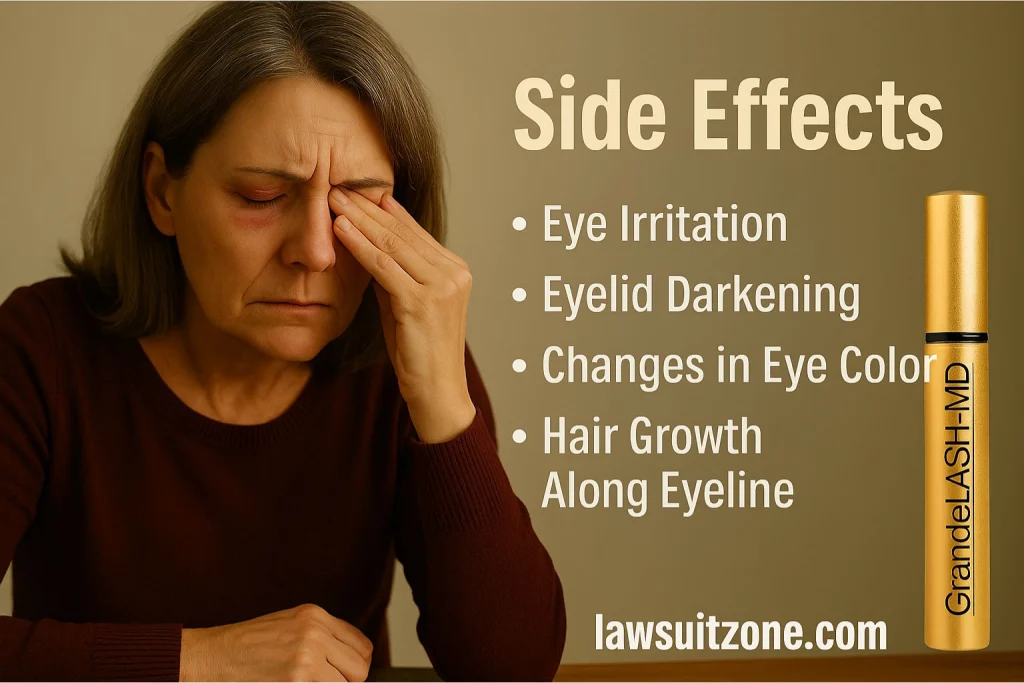
Grande Lash contains isopropyl cloprostenate, a prostaglandin analog similar to compounds used in glaucoma medications. This ingredient is linked to side effects that go far beyond simple cosmetic use.
Reported Side Effects:
- Persistent eye redness and irritation
- Darkened skin along the lash line
- Iris pigmentation changes (eye color darkening)
- Unintended hair growth near the application area
- Skin thinning after prolonged exposure
2. The FDA Oversight Gap
While prescription drugs like Latisse are regulated, Grande Lash is a cosmetic. This enabled it to avoid strict FDA testing. Plaintiffs reason that since its active ingredient changes the body’s physiology, it should have been considered a drug and not a cosmetic.
3. Questionable Marketing Practices
The marketing of Grande Lash focused on dramatic results but minimized risk. Most consumers say they did not know there might be side effects until after they experienced them.
4. Consumer Injuries and Class Actions
Multiple lawsuits claim Grande Lash deceived consumers and did not warn them about health dangers. Class actions seek refunds and responsibility from the brand for what it did not disclose.
Why This Suit Matters
The Grande Lash lawsuit is more than one product. It highlights larger industry issues:
- Transparency Issues: Are brands revealing the whole truth?
- Loopholes in Regulation: Should intense lash serums be regulated as drugs, not cosmetics?
- Customer Education: Do consumers actually know what they’re putting on around their eyes?
For shoppers, this lawsuit is an eye-opener: not all beauty products are as harmless as advertisers make them out to be.
Grande Lash Lawsuit Timeline
- 2017–2018: Complaints online about redness, irritation, and pigmentation.
- 2019: Dermatologists issue warnings regarding prostaglandin analogs.
- 2020: Initial lawsuits are brought in U.S. courts.
- 2021–2022: Class-action suits pick up steam, with several plaintiffs signing on.
- 2023–2024: Settlements are reached, but Grande Cosmetics professes innocence.
- 2025: The suits are still active, and consumer groups keep insisting on more regulation.
Real Consumer Stories
Anna, 42: Six months into its use, Anna adored longer lashes but experienced persistent redness. Her ophthalmologist tracked it back to Grande Lash.
Mia, 29: Mia’s lashes grew, but her eyelids became perceptibly darker. She was embarrassed and discontinued the serum, subsequently filing a lawsuit.
Jasmine, 35: Although Jasmine did not experience irritation, she was upset over the absence of clear labeling. She felt misled by the company’s advertising.
Lisa, 50: Lisa saw dark marks along her lash line following repeated use. She now cautions others that “not all beauty shortcuts are worth it.”
These instances show why so many consumers are standing up for the Grande Lash lawsuit.
Expert Insights: What Dermatologists and Eye Doctors Say
- Dr. Karen Lee, Dermatologist: “Cosmetics with prostaglandin analogs need to be used with care. They are strong chemicals that can change skin and eye tissue.”
- Dr. Arjun Mehta, Ophthalmologist: “Patients take for granted over-the-counter treatments as harmless. This case illustrates the way regulation has not kept up with innovation in beauty.”
Wider Legal and Industry Ramifications
The resolution of the Grande Lash case might redefine the beauty market:
- Label Revolution: Businesses could be compelled to declare risks in more transparent terms.
- FDA Action: There is increasing pressure for increased regulation of cosmetic serums with active ingredients.
- Court Precedents: A decision against Grande Cosmetics can serve as a precedent for subsequent cases.
- Consumer Power: Litigations such as these remind consumers they have the right to hold companies to account.
Safer Alternatives to Grande Lash
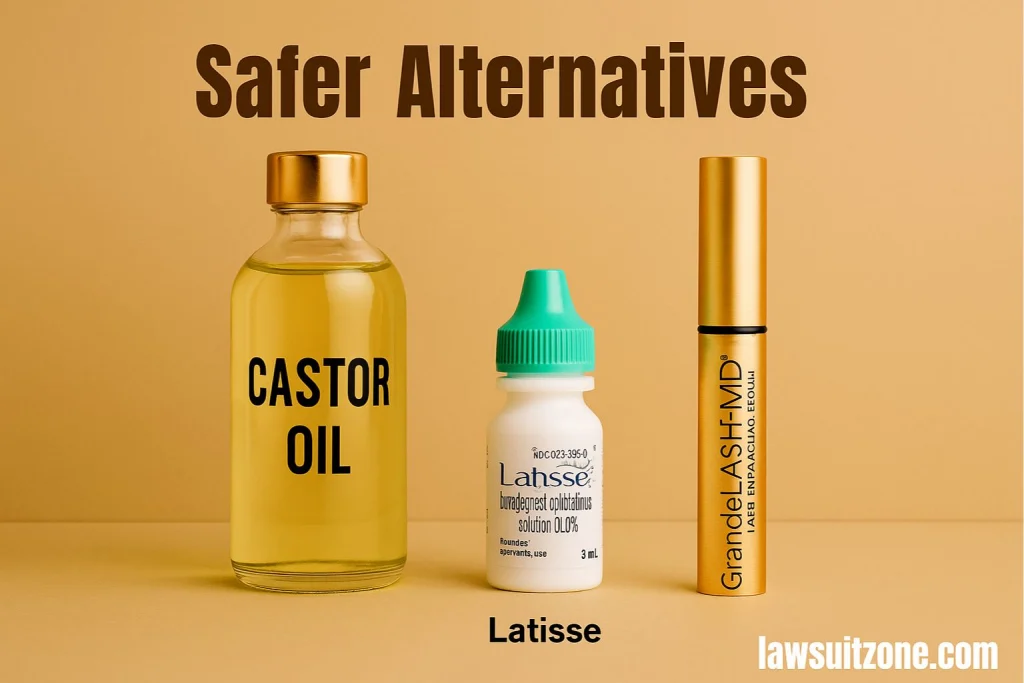
For those concerned about the risks, the following alternatives are available:
Natural Oils
- Castor oil: Well-known for lash conditioning
- Vitamin E: Strengthens the follicles of lashes
- Coconut oil: Hydrates
Prescription Option
- Latisse (bimatoprost): FDA-approved but must be used under medical supervision
Cosmetic Serums Without Prostaglandins
- Most brands now emphasize peptides, biotin, and plant-based products. Always read ingredient labels with care.
Key Lessons for Consumers
The Grande Lash lawsuit presents valuable lessons:
- Always look at ingredient labels.
- Research prior to buying popular products.
- Keep receipts, pictures, and medical records if you experience side effects.
- Report deceptive practices to the Federal Trade Commission.
- Ask experts before applying something near your eyes.
FAQs
Conclusion: Informed Beauty Is Safe Beauty
The Grande Lash lawsuit highlights a growing need for transparency, stricter oversight, and consumer education in the beauty industry. While the serum works for many, it carries potential risks that weren’t always clearly communicated.
As a consumer, your greatest defense is intelligence. Whether you keep using lash serums or move to safer options, always view beauty claims with healthy suspicion. Keep in mind: genuine empowerment in beauty lies in being informed, not trusting blindly in advertising.