Cierra Mist Lawsuit: Viral Pepsi Trademark Story Explained
Introduction
The Cierra Mist lawsuit became one of the most viral marketing mysteries in recent memory. When PepsiCo retired its long-running lemon-lime soda, Sierra Mist, the internet erupted with theories: Was it a marketing pivot? A sales issue? Or had a TikTok influencer named Cierra Mistt actually forced one of the world’s biggest corporations to change its brand name?
The rumor spread like wildfire. In a matter of days, the “lawsuit” was trending, with many debates running online about copyright, corporate power, and social media influence.
But what really happened? Let’s break down the facts, myths, and the lessons this case leaves for brands, influencers, and everyday consumers. Have you checked our detailed guide on red bull lawsuit.
The Birth of a Beverage Icon
Before the internet gave life to the Cierra Mist lawsuit, Sierra Mist was a household name. Created by PepsiCo in 1999, it was a rival to Sprite and 7UP — a crisp, refreshing, and citrusy drink marketed as “refreshing and natural.”
By the early 2000s, Sierra Mist had secured a loyal fan base. Despite rebrands in 2016 to “Mist Twist,” among others, it simply would never reach worldwide success like Pepsi was aiming for.
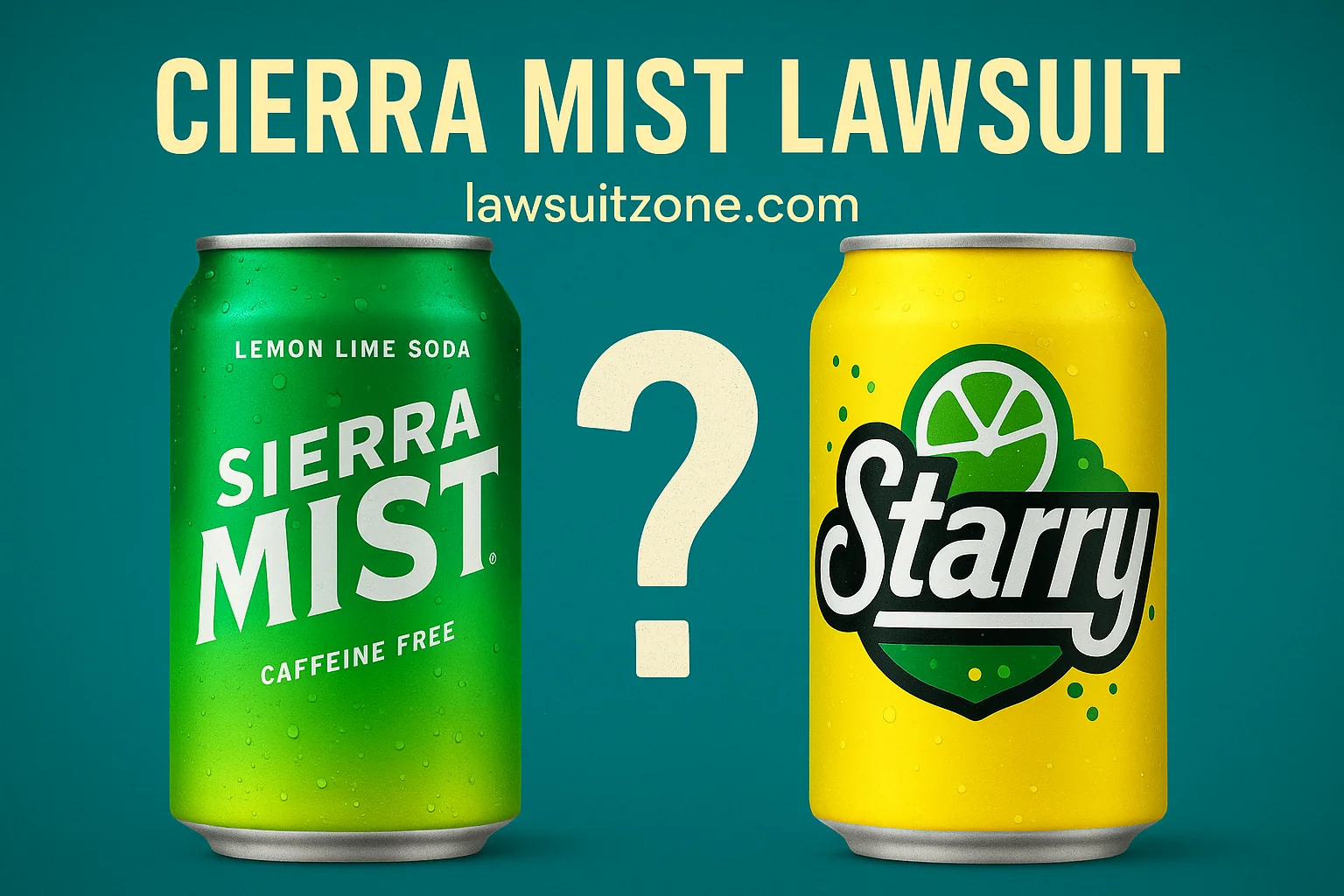
In 2023, Pepsi made the official announcement of Sierra Mist’s retirement and introduced a new lemon-lime soda called Starry. That timing coincided perfectly — perhaps too perfectly — with the rise of a TikTok influencer named Cierra Mistt, setting off a chain reaction that became internet legend.
Meet Cierra Mistt – The Influencer Who “Took Down” Pepsi?
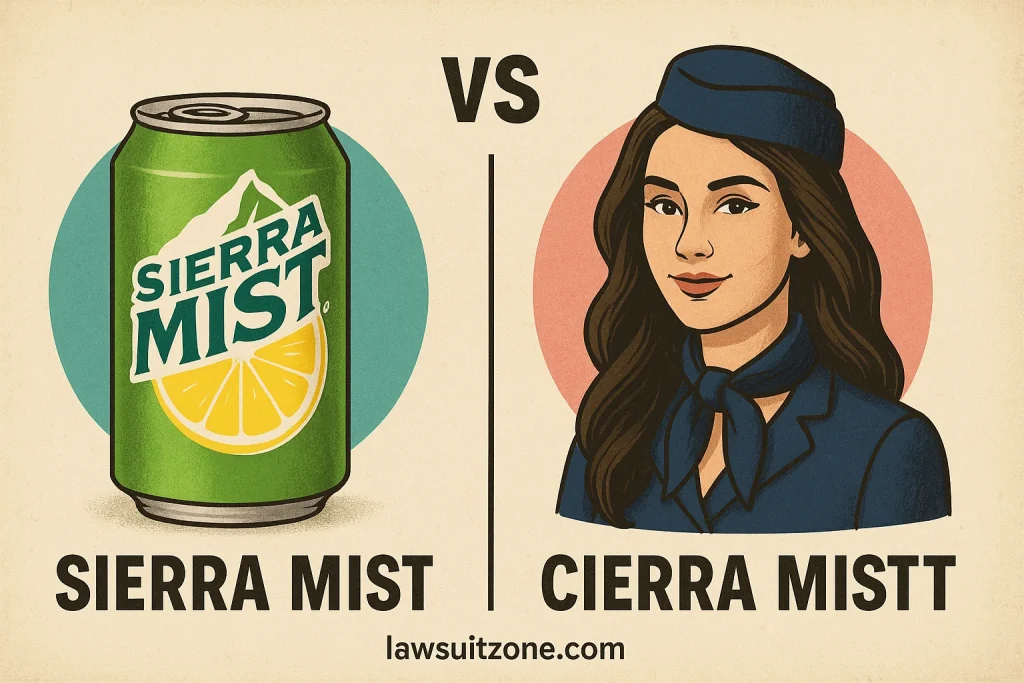
Cierra Mistt, born Cierra Nichols, is a well-known content creator and flight-attendant-turned-influencer from America who gathered a massive following on TikTok. Her username, @CierraMistt, had been set long before the Sierra Mist → Starry switch.
When news broke that Pepsi was scrapping Sierra Mist, social media connected the dots:
“Pepsi must’ve changed the name because of her!”
That speculation snowballed into headlines like “TikToker Forces Pepsi to Rebrand After Lawsuit.” But did such a lawsuit ever exist?
What Started the “Cierra Mist Lawsuit” Rumor?
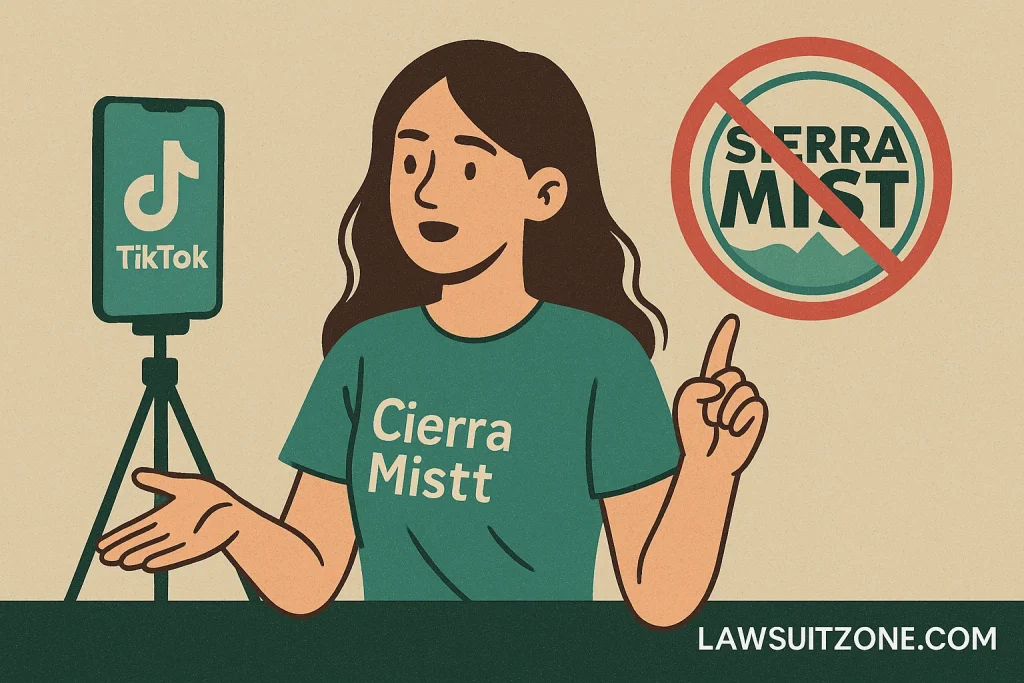
At the core of the myth was the claim that PepsiCo’s legal team served a cease-and-desist letter on Cierra Mistt for trademark infringement, which her team responded to with a counterclaim, ultimately forcing a secret settlement compelling Pepsi to discontinue Sierra Mist.
Sounds dramatic, right? The problem is — no record of such a lawsuit exists.
Legal journalists, IP attorneys, and trademark-database sleuths searched U.S. court filings and found no active or past case involving Cierra Mistt and PepsiCo.
So how did the rumor catch fire? Through viral storytelling. A few speculative tweets, one TikTok video hinting at “legal drama,” and the rest was filled in by the internet.
PepsiCo’s Official Explanation
PepsiCo went on record stating that Sierra Mist’s discontinuation had nothing to do with any lawsuit. Instead, executives said it was a strategic rebranding toward younger consumers.
Their statement read:
“Starry is a bold, refreshing soda that reflects the energy and optimism of Gen Z.”
They didn’t mention Cierra Mistt at all. Yet, the absence of a clear denial in early press coverage allowed conspiracy theories to thrive. People love a David-vs-Goliath story, and this one was irresistible.
Was There Ever a Legal Threat?
While there’s no proof of a formal Cierra Mist lawsuit, the rumor has a kernel of plausibility behind it. Companies like Pepsi often issue cease-and-desist letters when a public figure’s name resembles a protected trademark.
In this instance, PepsiCo has had the trademark for “Sierra Mist” in the United States for a long time. You can even find this listed on the USPTO — the official government database for trademarks and filings.
But a letter is not a lawsuit. If Pepsi did write to Cierra Mistt, the correspondence would have been a private precautionary step, not a legal showdown.
Trademark Law Explained in Simple Terms
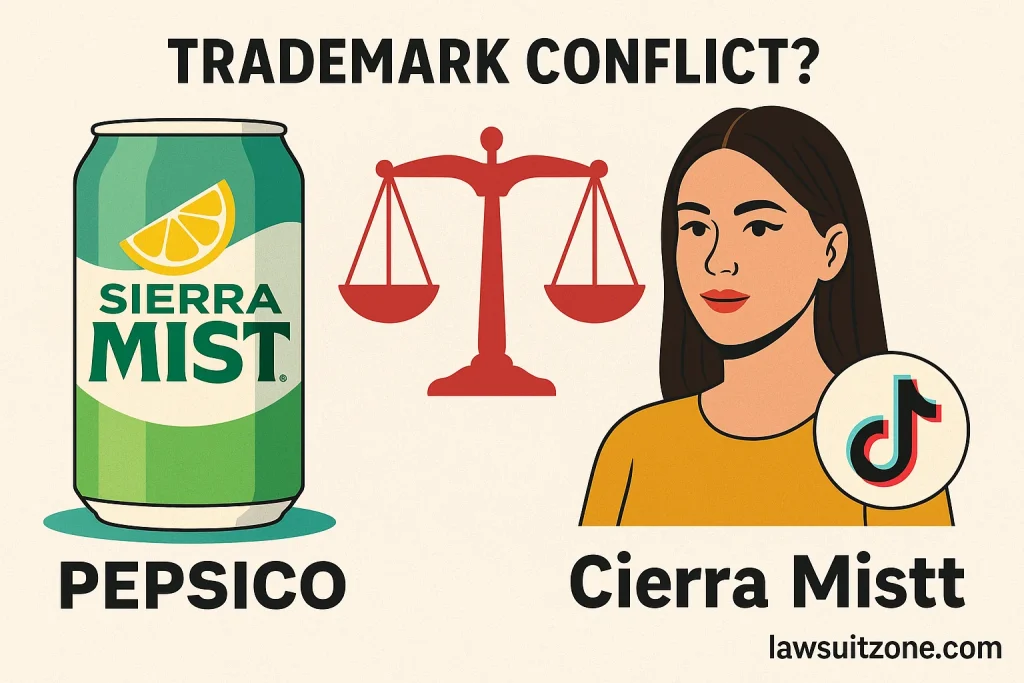
To separate myth from law, here’s how trademark protection actually works:
1. Trademarks are category-specific.
The mark is for beverages and other related marketing, not for entertainment.
2. Use matters.
Cierra Mistt uses her name in social media and lifestyle content, not in beverage sales.
3. Confusion test.
For infringement to exist, an average consumer must be likely to confuse one product with the other. A soda and a TikTok page? Unlikely.
That’s why lawyers argue that Pepsi would have no legal reason to sue her unless she launched a drink called “Cierra Mist.”
Social Media and the Court of Public Opinion
Even without an actual lawsuit, the trial by internet had begun. Millions really believed a creator had taken down the corporate behemoth PepsiCo.
Memes exploded:
- “Cierra Mist gave Pepsi the cease-and-desist energy.”
- “She really gave them wings and took their mist.”
The story was humorous, empowering, and easy to share the perfect viral cocktail. But it also highlighted how misinformation spreads quickly when corporate PR falls behind cultural trends.
The Real Reason Pepsi Rebranded
Behind the humor lies a business truth. Industry analysts say Pepsi’s decision to replace Sierra Mist stemmed from market performance, not TikTok drama.
Sales data had Sprite dominating with nearly 70% of the U.S. lemon-lime market; Sierra Mist trailed at less than 7%. The brand needed a facelift for the social-media age.
Enter Starry — a name that tested better with Gen Z focus groups. Its tagline: “It hits different.” Ironically, that campaign got more attention because of the Cierra Mist lawsuit rumor than from Pepsi’s ad budget.
The Power of Coincidence in the Digital Age
The Cierra Mist incident highlights how coincidence and virality can blur truth. In another era, this story would’ve been a quick press-release correction. Today, algorithms amplify every twist.
Within hours, users on TikTok stitched Cierra Mistt’s videos into Pepsi compilations. Articles speculated about hidden legal settlements. Even mainstream outlets joined in — often to debunk, but still spreading the keyword “lawsuit.”
It’s proof that perception now shapes brand reality faster than any official statement can.
Trademark Lessons from the Cierra Mist Case
Although it wasn’t actual litigation, the Cierra Mist lawsuit myth has since been used in business schools to help illustrate modern trademark dynamics.
1. Trademarks Don’t Guarantee Reputation Control
Companies can trademark names but not narratives. Once the internet decides on a theory, that theory can outrun the truth.
2. Legal Knowledge for Influencers
Creators should do trademark research in advance of creating brand identity. A minimal search on USPTO.gov will save many headaches down the line.
3. Transparency Beats Silence
When rumors spread, timely, honest statements keep companies from losing control of the story.
4. Humor Can Be Strategic
Cierra Mistt’s playful attitude, laughing at the rumors instead of fighting them, won her more followers and softened any tension.
Marketing Psychology: Why People Believed the Story
The virality of the Cierra Mist lawsuit shows the psychology behind online belief:
- Simplicity sells. It’s easier to understand “Influencer beats soda giant” than “Brand repositioning strategy.”
- Emotion leads to engagement. Viewers loved rooting for the underdog.
- Familiar names trigger bias. The similar spellings of “Sierra” and “Cierra” made the claim seem plausible.
In short, the rumor succeeded because it felt right — not because it was true.
How Companies Handle Naming Conflicts
PepsiCo’s predicament is by no means unique. Companies around the world are often confronted by potential naming conflicts. Consider:
- Apple Corps v. Apple Computer (The Beatles vs. Steve Jobs’ company)
- Nike v. Nike Palace Sportswear
- Louis Vuitton v. Chewy Vuiton
Each case reminds brands to protect their names without alienating fans. The Cierra Mist episode, while light-hearted, underlines how trademark strategy is now shaped by public sentiment.
Could Cierra Mistt Have Filed a Counterclaim?
Hypothetically, yes — if Pepsi attempted to restrict her name usage without cause. Trademark law protects both sides: An individual can defend a personal brand if it’s not intended to mislead consumers.
But again, no such counterclaim exists. Cierra Mistt never confirmed legal contact with Pepsi. Her interviews suggest she found the rumor amusing rather than threatening.
What the Cierra Mist Lawsuit Says About Modern Branding
This episode says as much about culture as it does about law:
- Creators are the new competitors. Individuals can have reach now that rivals corporations.
- Authenticity trumps authority. For users, Cierra Mistt’s TikToks were more credible than Pepsi’s press releases.
- Digital speed trumps corporate caution. By the time Pepsi clarified, the narrative had already won.
The moral? Brand management in 2025 isn’t just about products; it’s about perception.
Consumer Takeaways
- Question viral claims. Most online “lawsuits” lack documentation.
- Know your trademarks. If you build a brand, make sure your name is available.
- Enjoy the show, but verify the story. Entertainment is not necessarily evidence.
The Broader Cultural Impact
The Cierra Mist lawsuit illustrates how rapidly misinformation can become fact. It also shows how today’s consumers are now co-creators of brand narrative.
Rather than dismissing such myths, smart companies turn them into opportunities — playful social responses, transparent engagement, and renewed relevance.
Pepsi may have lost Sierra Mist, but it gained millions of mentions — proof that even myths can fuel marketing momentum.
FAQs
Conclusion
The Cierra Mist lawsuit may never have existed on paper, but it’s one of the most fascinating examples of how viral culture intersects with corporate branding.
A retired soda brand, an influencer, and the world connecting two dots that weren’t meant to touch. Yet, in a peculiar manner, it became a case study in perception, identity, and digital storytelling from a legal perspective.
For influencers, it’s a reminder to understand trademarks. For corporations, it’s proof that transparency is the new PR strategy. For audiences, it’s a cautionary tale: in the internet age, the line between rumor and reality is thinner than ever.
In the end, Pepsi didn’t lose a lawsuit it lost a name. But in exchange, it gained a cultural moment that no ad campaign could have bought.
Disclaimer:
This article is for information only and should not be used as legal advice. Always consult with a licensed attorney for guidance on trademark disputes or intellectual-property law.