Complete Guide to the Prime Hydration Lawsuit in 2025
Introduction
The Prime Hydration Lawsuithas captured the public’s attention faster than the drink itself once conquered social media. What started as a wildly popular beverage endorsed by YouTube icons turned into one of the biggest talking points on product safety, transparency, and marketing ethics.
This article takes you behind the headlines explaining what sparked the lawsuit, what it alleges, who might be affected, and what the outcome could mean for consumers, parents, and the fast-moving health drink industry. Have you checked our detailed guide on hall and oates lawsuit.
The Rise of Prime Hydration
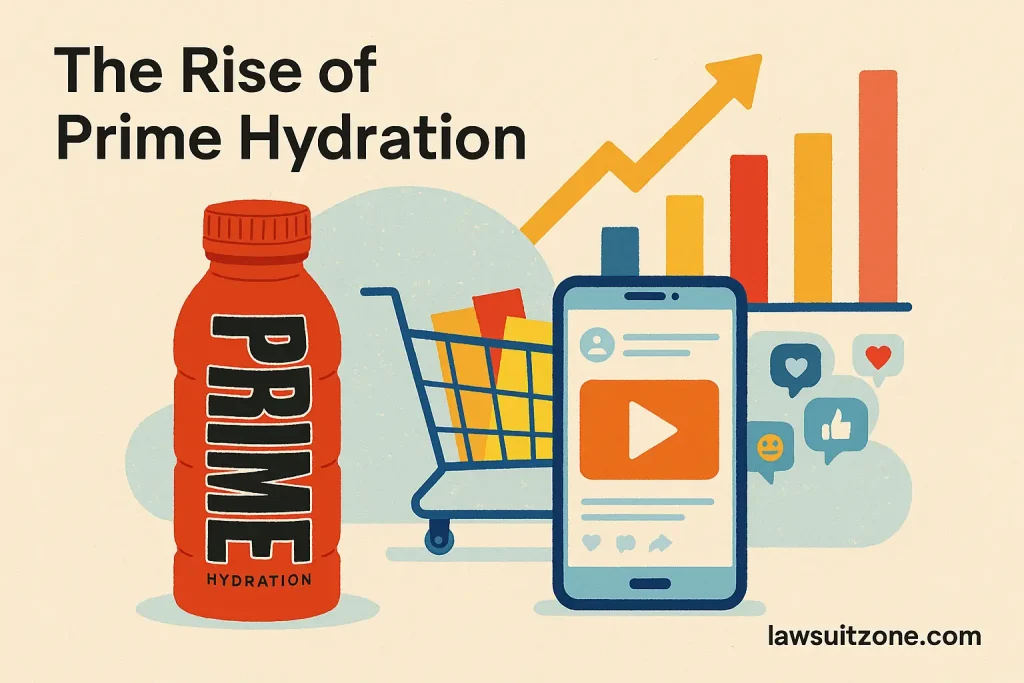
But before we get to all the drama, it’s worth understanding how Prime became a household name: touting itself as an alternative created by two massive online personalities, the brand exploded onto the market with big, bold packaging, on-trend flavours, and promises of better hydration, better performance.
Teens camped out in front of stores. Shelves were cleared out. Just months after Prime launched, the drink started vying with the giants Gatorade and Powerade. The drink wasn’t just a drink; it was a pop-culture movement fueled by influencer power and social-media hype.
Where there’s mass popularity, though, scrutiny soon follows, and with the huge success of Prime, questions about ingredients, caffeine content, and transparency began to bubble beneath the surface, with the eventual result of a lawsuit against Prime Hydration.
What Is the Prime Hydration Lawsuit About?
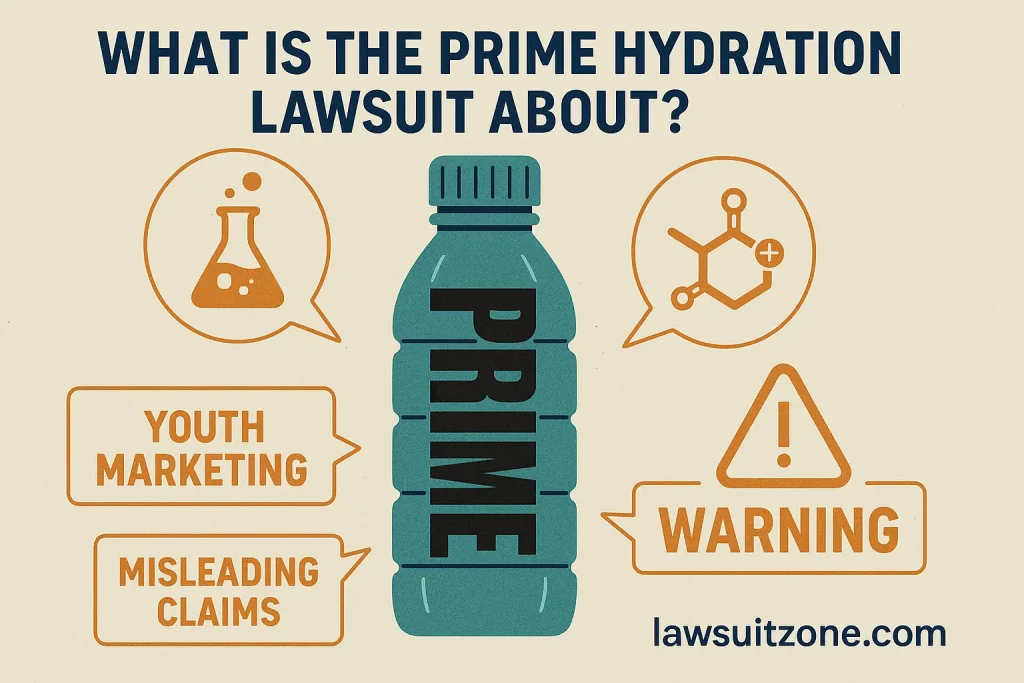
The lawsuit against Prime Hydration, at its core, contains claims of misrepresentation and non-disclosure about the product, mainly on the ingredient composition and its possible health implications.
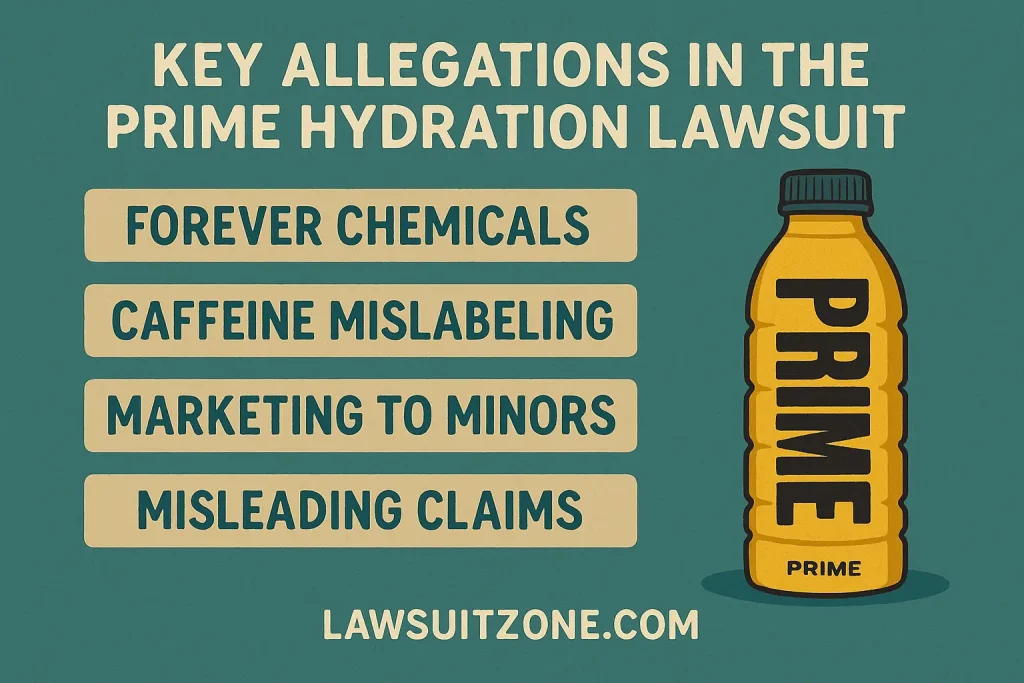
In these cases, plaintiffs allege one or more of the following:
- It contains per- and polyfluoroalkyl substances, better known as forever chemicals that pose a risk to the environment and human health.
- The caffeine levels in some of its products were not adequately disclosed, particularly in the energy version, or were allegedly higher than promoted.
- Marketing did not target young consumers with sufficient warnings or disclaimers about possible side effects.
- Packaging and promotional claims by the brand (“clean energy,” “natural hydration,” “no harmful additives”) may mislead the buyer into thinking that this is a much healthier product than it really is.
While these are allegations and not proven facts, they have contributed to a wider public discussion on the truth in labeling and influencer-driven marketing.
Why This Lawsuit Gained So Much Attention
There are a lot of beverage lawsuits that come up every year, so why did this one blow up? Because Prime Hydration is no ordinary drink—it’s a cultural phenomenon.
This case was unique for several reasons:
- Celebrity Influence: Both founders had huge fan bases, so the lawsuit instantly reached millions of young consumers and parents.
- Demographics: Unlike most energy drinks, Prime became trendy among preteens and school-aged children, which begs ethical questions about their marketing.
- Health Halo: The brand positioned itself as “better for you,” an image that ran smack into the allegations of unsafe ingredients or misleading levels of caffeine.
- Speed of Growth: For the fastest-growing brands, there is less room for error. When there is a problem or concern, the reaction from the public will be magnified.
In short, the lawsuit filed against Prime Hydration is as much about perception and trust as it is about legal claims.
A Chronology of Events
While each court filing has its own timeline, here’s an overview of how events unfolded:
- Launch: 2022, Prime Hydration hits the market and monopolizes TikTok, YouTube, and retail shelves.
- Early 2023: Nutrition experts and consumer watchdogs start questioning caffeine content and labeling.
- Mid-2023: Some independent labs and online sources start reporting concerns about PFAS contamination in certain drink variants.
- Late 2023: A consumer class action was filed based on claims of misleading advertising and ingredient misrepresentation.
- 2024–2025: Case has grown to involve regulators, schools, and parents; even some institutions restricting the sale of Prime to minors.
The case is still pending, with filings and negotiations ongoing. No judgment or settlement has been publicly announced as of this date.
Legal Foundations of the Prime Hydration Lawsuit
1. False Advertising & Misrepresentation
The core claim is that the company misled consumers by marketing its drinks as “healthy” or “pure hydration” despite possible issues with its ingredients.
2. Lack of Disclosure
Plaintiffs believe that if there were PFAS or high levels of caffeine, consumers had a right to know. Labeling omissions could amount to violations under consumer protection laws.
3. Marketing to Minors
As the drink’s key demographic includes young people, critics have argued that flashy, influencer-based marketing may have taken advantage of impressionable consumers without proper warnings.
4. Negligence in Quality Control
Other accusations are that the company was not sufficiently careful in ingredient sourcing, manufacturing, or third-party testing.
5. Class Action Eligibility
Because thousands of consumers bought the product, plaintiffs are seeking class action status—meaning a single lawsuit represents the nationwide group, rather than individual cases.
Company Response
The brand firmly replied that its products were safe and fully met legal standards. The representatives of the company have stressed that:
- All Prime beverages are within the FDA requirements.
- The brand is transparent regarding caffeine content and ingredient sourcing.
- The claims of the lawsuit are based on “misleading or inaccurate interpretations.”
- Prime stands by its mission to promote hydration and performance responsibly.
These remain at this stage the official positions, with legal teams handling the current case.
How Consumers Are Reacting
Reactions to the Prime Hydration lawsuit have been polarized.
- Parents and health advocates are concerned that the brand prioritized hype over health transparency.
- Loyal fans defend the product, calling the lawsuit exaggerated or opportunistic.
- Retailers and schools have reacted variably: some continue to sell Prime with no controls, while others have placed age limits or other restrictions.
Ironically, social media continues to amplify both sides of the debate—making the lawsuit as much a PR battle as a legal one.
Who Can File a Claim?
If the case settles, some consumers may be entitled to compensation or to participate. Generally, a person is considered eligible if they:
- Bought one or more Prime Hydration or Prime Energy drinks during the class period.
- Reside within the affected jurisdiction (within the United States).
- Provide basic proof of purchase, such as receipts or transaction records.
- File within the official claims window once opened by the settlement administrator.
Even if you didn’t experience physical harm, you may be entitled to compensation for “economic loss” — that is, paying for a product that wasn’t as represented.
What Kind of Compensation Could Consumers Receive?
Class action settlements come in many forms, but they commonly include:
- Cash Payments: Direct payments to beneficiaries upon approval, depending on the quantity purchased.
- Product Credits: Coupons or free product redemptions.
- Reformulated Products: The company may agree to modify ingredients or labels.
- Third-party Lab Verification: Required going forward by some settlements.
Exact amounts depend upon how the court defines the class size and damages.
Broader Industry Implications
The class action lawsuit against Prime Hydration goes far beyond this one brand: it’s a crossroads for an entire industry of beverages.
- Influencer Accountability: Social-media endorsements are now under legal scrutiny. When creators sell directly to their audience, disclosure standards get tighter.
- Ingredient Transparency: Consumers want to know it all—from sourcing to testing. Companies not taking heed of this could face similar lawsuits.
- Youth-Targeted Marketing: Regulators are paying closer attention to caffeine and sugar levels in products popular among minors.
- Environmental Responsibility: If the PFAS allegations prove true, it might mean new requirements for sustainability and chemical testing from companies.
This lawsuit may affect how health drinks, energy beverages, and supplements are marketed worldwide.
Lessons for Brands and Consumers
For Brands
- Test independently and publish results. Transparency builds trust faster than advertising ever could.
- Avoid exaggerated claims. Adjectives like “clean,” “pure,” or “healthy” extend an invitation to the lawyers if they cannot be supported.
- Respect your audience. When marketing to young consumers, clear disclaimers are not optional.
- Be proactive. Address concerns publicly before they become lawsuits.
For Consumers
- Always read labels carefully, especially the caffeine and ingredient sections.
- Remember, “influencer-backed” does not mean “doctor-approved.”
- Report adverse reactions or misleading claims to consumer agencies.
- Keep up-to-date through reliable sources for legal and consumer news.
The Bigger Picture: Trust, Transparency, and the Internet
The Prime Hydration lawsuit shows something more than a dispute over a drink; it shows where modern marketing and consumer trust meet.
Brands today are not selling products; they sell a lifestyle. The consumer follows the founder, not the factory. But that emotional connection becomes risky when facts and claims diverge.
This is a case that epitomizes a new era of accountability, where social influence translates into real-world responsibility. As consumers become increasingly aware and vocal, companies should live up to the hype with honesty.
How to Keep Up with the Case
Litigation often takes several months or even years to conclude. The best way of keeping updated on any developments, deadlines, or claim forms is through following reliable consumer rights’ websites and class-action listings such as Federal Trade Commission Consumer Updates.
This ensures you get accurate, verified information rather than social-media speculation or misleading “claim now” scams.
Frequently Asked Questions (FAQs)
Final Thoughts
The case of Prime Hydration is still developing, but it is surely a landmark for modern consumer awareness, amalgamating influencer culture with youth marketing and lawful liability into one powerful story.
A lesson for brands that even fame doesn’t exempt accountability, and a reminder for consumers that even the most popular products need scrutiny.
The beverage aisle is changing transparency is the new flavor of trust. And as more consumers demand honesty over hype, the companies that thrive will be those that embrace accountability, not fight it.
Disclaimer:
Note: This article is intended for informational purposes only and should not be regarded as legal advice or counsel. Appropriate professional help should be sought for individual issues.