Dog Bite Lawsuit: The Complete Guide to Legal Rights and Compensation
Introduction
Every year, thousands of people suffer injuries from dog attacks, and for many, a dog bite lawsuit becomes the only way to seek justice and recover losses. Whether you are a victim dealing with medical bills or a dog owner facing a claim, being informed about how the process works is an important step.
A dog bite lawsuit isn’t just about holding someone accountable; it’s about recovering from trauma—physical, emotional, and financial. This comprehensive guide covers every aspect of dog bite litigation, from filing a claim and proving liability to the potential compensation you can expect. Have you checked our detailed guide on janice griffith lawsuit.
What is a Dog Bite Lawsuit?
A dog bite lawsuit is a civil action in court that arises when a dog injures someone. The victim may sue the dog’s owner, or another responsible party, to recover such damages as medical bills, lost wages, and emotional suffering.
These can be anything from minor claims settled through insurance to serious injury cases taken to court. Dog-bite laws vary by state, but they all deal with one primary idea: responsibility. In the case of a person whose pet causes an injury, that person can be held legally responsible for the consequences.
Why Dog Bite Lawsuits Exist
Dog bite lawsuits aren’t about money; they are about accountability and public safety. The intention is to ensure that dog owners take precautions while giving victims a fair way to recover.
Common Reasons Victims File Lawsuits
- Severe physical injuries necessitating surgery or therapy
- Permanent scarring or disfigurement
- Emotional trauma or PTSD following an attack
- Loss of income during recovery
- Negligence by the dog’s owner, such as unleashed pets, broken gates, or ignored warnings
When owners take no steps to prevent harm, a lawsuit holds them responsible under the law.
Understanding Liability in a Dog Bite Lawsuit
There is one key issue within every dog bite lawsuit: who’s at fault. States handle liability in different ways.
1. Strict Liability
In strict liability states, a dog owner is liable for an injury caused by their pet even if the dog had never previously acted aggressively. The victim need not prove negligence; they only need to show that the bite occurred and caused harm.
2. The “One-Bite Rule”
Other states follow the one-bite rule, meaning an owner is only liable if they knew or should have known their dog was dangerous. Essentially, the first bite might be forgiven—but any after that could result in full liability.
3. Liability Based on Negligence
Even in one-bite states, victims can sue if they can show the owner acted carelessly. Examples include:
- Allowing the dog to roam without a leash
- Failing to secure a gate or fence
- Ignoring earlier complaints about the dog’s behavior
4. Liability of Landlord or Third Parties
Sometimes, landlords or property managers can also be held liable if they knew of a dangerous dog and failed to act. Each case depends on evidence, ownership, and local law. You can find a detailed breakdown of liability standards here: Forbes Advisor guide on dog bite lawsuits.
Common Causes of Dog Bite Incidents
Dog bites can occur virtually anywhere—from parks to family gatherings. The following are common scenarios that give rise to lawsuits:
- Dogs running loose in neighborhoods
- Poorly trained or aggressive breeds
- Dogs reacting to loud noises or sudden movements
- Owners allowing unsupervised interaction
- Dogs attacking postal workers, delivery people, or guests
A dog bite lawsuit can arise even when the bite occurs on private property—especially if the victim was legally allowed to be there.
What to Do Immediately After a Dog Bite
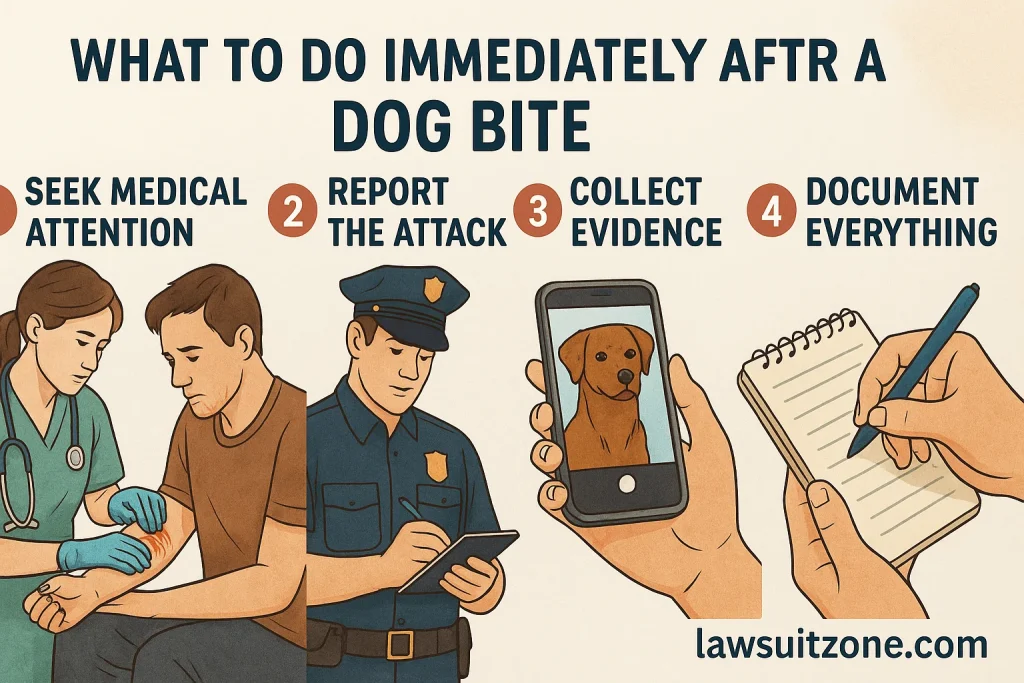
Every minute counts if you have been bitten or attacked. The actions you take right after the attack can determine the outcome of your dog bite lawsuit.
Step-by-Step Actions
- Seek Immediate Medical Attention: Dog bites may cause infections, nerve damage, or scarring. Go to the ER and follow all medical advice.
- Report the Attack: Notify animal control or local police to create an official record.
- Collect Evidence: Take photos of all injuries, the dog, and the scene. Identify witnesses or cameras nearby.
- Document Everything: Keep hospital bills, medication receipts, lost work records, and communication with the owner.
- Consult a Lawyer: Early legal guidance protects your rights and helps navigate insurance claims.
These steps lay the foundation for a strong claim or lawsuit.
What Damages Can Be Recovered in a Dog Bite Lawsuit?
A dog bite lawsuit allows victims to seek compensation for both financial and emotional harm. The total value depends on injury severity, state laws, and insurance coverage.
1. Economic Damages
- Hospital bills, surgeries, and medications
- Physical therapy and rehabilitation
- Lost income or job opportunities
- Future medical expenses
2. Non-Economic Damages
- Pain and suffering
- Disfigurement or visible scars
- Emotional distress or trauma
- Loss of enjoyment of life
3. Punitive Damages
In rare cases where the dog owner acted recklessly or maliciously, courts may award punitive damages to punish and deter similar future behavior.
Defenses Used by Dog Owners
Dog owners often use certain legal defenses when sued after an attack. Understanding them helps victims prepare.
- Provocation: If the victim teased, hit, or provoked the dog, liability may be reduced or denied.
- Trespassing: Owners aren’t usually liable if the victim was illegally on private property.
- Assumption of Risk: Applies to professionals like vets, groomers, or handlers who knowingly interact with dogs.
- Comparative Fault: Some states reduce compensation if the victim shares part of the blame.
Even with these defenses, victims can often still recover partial compensation if negligence is proven.
The Legal Process of a Dog Bite Lawsuit
A dog bite lawsuit typically involves several key stages:
1. Investigation and Evidence Gathering
Lawyers collect police reports, medical records, photos, and witness statements to build the case.
2. Filing the Complaint
Once sufficient evidence is gathered, a formal lawsuit is filed in civil court against the owner (and possibly their insurer).
3. Discovery Phase
Both parties exchange documents and take depositions. Expert witnesses may testify about medical injuries or dog behavior.
4. Negotiation and Settlement
Most dog-bite cases are resolved before trial. Insurers often prefer settlement to avoid legal costs.
5. Trial (If Necessary)
If no settlement is reached, the case goes to trial. The judge or jury decides on liability and damages.
6. Appeal and Enforcement
If one party disputes the result, an appeal may follow—though it can lengthen the process.
How Much Is a Dog Bite Lawsuit Worth?
There is no universal settlement amount. The compensation depends on injuries, costs, and state law.
Average dog bite settlements range from $30,000 to $70,000, while severe cases can exceed six figures.
Key Factors Affecting Compensation
- Victim’s age (children often receive higher awards)
- Need for reconstructive surgery or therapy
- Loss of earning capacity
- Dog’s previous attack history
- Insurance coverage and state law limits
How Dog Owners Can Prevent a Lawsuit
Preventing a dog bite is far easier than fighting one in court. Responsible owners should:
- Leash and Contain: Always secure dogs in public or at home.
- Train and Socialize: Proper training reduces aggression.
- Post Warnings: Use “Beware of Dog” signs if needed.
- Maintain Insurance: Ensure policies cover pet-related incidents.
- Seek Professional Help: Consult a vet or trainer if the dog shows fear or hostility.
Responsible ownership prevents injuries and protects against costly lawsuits.
Dog Bite Lawsuit Statistics You Should Know
- Over 4.5 million Americans are bitten by dogs each year.
- About 800,000 require medical care.
- More than 50% of victims are children.
- Nearly one-third of all homeowner insurance claims involve dog bites.
These statistics highlight why education and awareness are essential for both owners and the public.
Workplace and Delivery Incidents
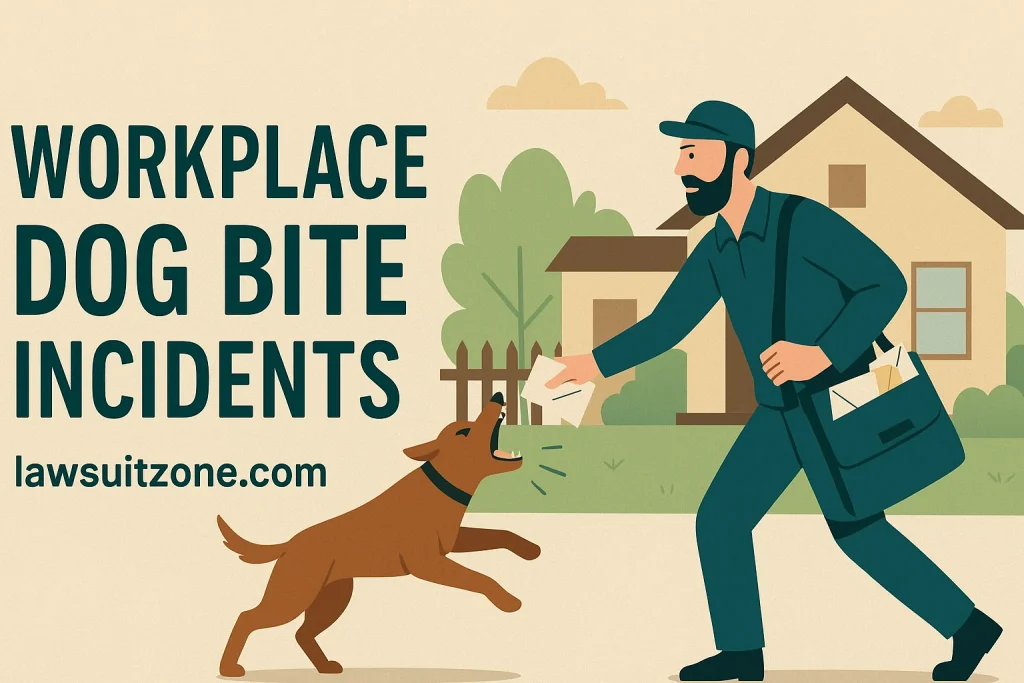
Dog bites often occur on the job, especially for delivery drivers, postal workers, and service professionals. In such cases, a dog bite lawsuit can be combined with a workers’ compensation claim.
Employers should provide safety training, while homeowners must restrain their pets during deliveries. Workers should report and document every incident immediately.
Frequently Asked Questions (FAQs)
The Larger Legal Landscape
Dog bite lawsuits are shaping how society views animal accountability. Courts increasingly recognize emotional harm alongside physical injury.
This trend leads to fairer outcomes for victims and encourages responsible pet ownership.
Final Thoughts
A dog bite lawsuit is not just legal paperwork — it’s a pursuit of balance after trauma. Victims deserve justice, and owners need awareness of their responsibilities.
If you’re injured, act fast: seek medical care, document everything, and consult an attorney. For dog owners, proper training, prevention, and honesty with insurers can prevent both harm and legal trouble.
Ultimately, compassion and caution go hand in hand. Dog ownership carries love, loyalty, and responsibility — and when things go wrong, the law ensures fairness and safety for everyone.
Disclaimer
Information in this article is for general informational purposes only and does not constitute legal advice. For advice on specific cases, consult a licensed attorney.