Dashcam Footage Is Changing How Car Accident Claims Get Settled
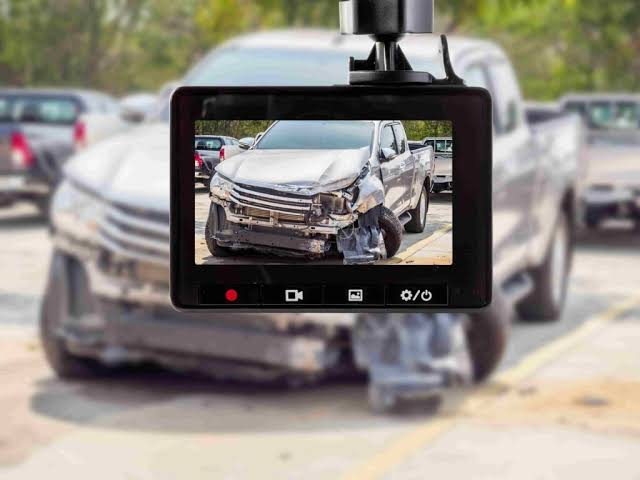
A car accident happens fast. One second you’re at a red light, the next you’re staring at a crumpled bumper and wondering who’s going to believe your version of events. For decades, accident claims came down to a swearing match. Your word against the other driver’s. That’s no longer true. Small cameras mounted on windshields are quietly reshaping how insurance companies and courts decide who pays.
Dashcams used to be a niche gadget for delivery drivers and road trip vloggers. Now they’re becoming as common as seat belts. And that shift is changing the entire claims process in ways most drivers haven’t caught up with yet.
Why Dashcam Footage Carries So Much Weight
Insurance adjusters deal with conflicting stories every single day. One driver says the light was green. The other swears it was red. Without proof, adjusters often split the blame, which usually means a smaller payout for the person who was actually not at fault.
Video changes that math completely. A clear recording shows exactly what happened, second by second. It captures speed, lane position, turn signals, and the moment of impact. There’s no room for a driver to quietly rewrite the story later.
This is especially useful in accidents involving a hit and run, where the other driver takes off before you can even get their information. Footage that catches a license plate can be the difference between an unsolved case and a fully covered claim. If you’re building a claim and searching ‘lawyers near me’, footage like this gives your attorney something solid to work with from day one instead of starting from scratch on he-said, she-said testimony.
The Part Nobody Talks About
Here’s the angle most articles skip. Dashcam footage doesn’t just protect you. It can just as easily be used against you.
If your camera catches you following too closely, glancing at your phone, or drifting out of your lane right before the crash, that same footage becomes evidence for the other side. Insurance companies love clear video, but only when it favors their interest. If your footage shows you made a mistake, expect it to show up in the adjuster’s file within days.
This is why drivers shouldn’t hand over raw footage the moment it’s requested. Take a breath first. Review the clip. Understand what it actually shows before anyone else sees it. A rushed decision here can quietly shrink your settlement before you’ve even filed a claim.
What To Do the Moment You Have Footage
If your dashcam caught the crash, treat that file like gold. Save it immediately to more than one place, your phone, a cloud drive, and a separate hard drive if you can. Dashcams record on a loop, which means new footage can overwrite the crash clip within hours if you don’t lock it or pull it off the card right away.
Next, avoid editing or trimming the video, even if you’re only trying to shorten it. Courts and insurers want the raw file. Anything that looks altered raises red flags and can weaken an otherwise strong claim.
It also helps to think through your next steps the same way you’d approach recovering compensation after any accident. Reviewing tips to maximize your compensation before you talk to an adjuster can help you avoid the common mistakes that quietly shrink a payout, things like posting on social media too soon or accepting the first offer that comes in.
Does Every State Treat Dashcam Footage the Same Way?
Not exactly. Most states allow dashcam video as evidence, but a few have rules about where you can mount the camera and whether you need consent to record audio inside your own car. It’s a small detail that trips up a lot of drivers who assume any footage is automatically fair game in court.
Before you rely on your camera as your main line of defense, it’s worth checking how your state treats video evidence and audio recording consent. Independent insurance research on how footage affects claims backs this up too. A recent breakdown found that dashcam video can speed up claim resolution and even help drivers avoid unfair traffic tickets, but it also warned that footage showing distracted driving can just as easily work against the person who installed the camera in the first place.
A Real Example Worth Remembering
Picture a driver stopped at an intersection when another car runs the light and slams into them. Without video, the at-fault driver claims the light was yellow, maybe even green. The case turns into a drawn-out argument, and the injured driver’s payout gets delayed for months.
Now picture the same crash, but this time a dashcam caught the whole thing. The footage shows the red light clearly, timestamped and unedited. The insurance company has almost nothing left to argue. The claim moves faster, and the settlement reflects what actually happened instead of what someone hoped the adjuster would believe.
That’s the real value of a dashcam. It doesn’t just record a crash. It protects the truth of it.
Should You Get One?
If you don’t already have a dashcam, it’s worth the investment. Decent models start under a hundred dollars and take just minutes to install. Think of it less like a gadget and more like a seatbelt for your claim, something you hope you’ll never need, but you’ll be relieved to have the one time it truly matters.
Accidents are stressful enough without adding a credibility battle on top of it. A small camera on your windshield won’t prevent a crash, but it can make sure the truth doesn’t get lost in the chaos afterward. And when the truth is on video, getting fair treatment from an insurance company becomes a lot less of an uphill fight.