7 Common Causes of Slip-and-Fall Injuries
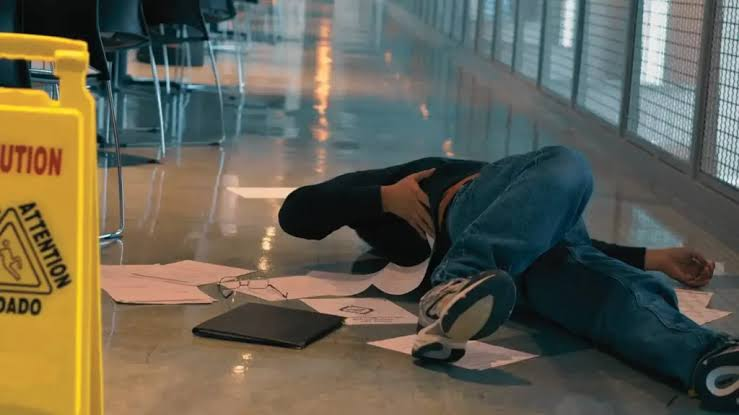
A simple walk across a store, office, sidewalk, or parking lot can change in an instant. One unexpected step, a slippery surface, or an overlooked hazard can send someone to the ground and leave them dealing with pain, medical bills, and disruption to everyday life. Slip-and-fall accidents are often preventable, but hazards can appear in almost any environment. Understanding what commonly causes these incidents can help people recognize potential dangers and take reasonable precautions. From wet floors to poor lighting, seemingly minor problems can create serious risks. Here are 7 common causes of slip-and-fall injuries worth knowing.
1. Wet and Slippery Floors
Wet surfaces are among the most recognizable causes of slip-and-fall accidents. Spilled beverages, recently mopped floors, leaking equipment, rainwater, or melting snow can make walking surfaces unexpectedly slick. The danger can be especially difficult to notice when a liquid is clear or blends into the surrounding floor. Businesses and property managers may use warning signs, barriers, or other precautions when cleaning or addressing spills.
According to Justice (https://justicepartnerlawgroup.com/) Partners Law Group Visitors should also remain attentive when walking through areas where moisture may be present. If a spill is noticed, reporting it promptly can help prevent someone else from encountering the same hazard and potentially suffering an injury.
2. Uneven or Damaged Surfaces
People naturally expect floors, sidewalks, stairs, and walkways to provide a reasonably stable surface. Cracked pavement, broken tiles, raised flooring, potholes, loose carpeting, or uneven transitions can interfere with that expectation. A person’s foot may catch on an elevated edge or suddenly drop into a damaged section, causing them to lose balance. These hazards can be particularly difficult to notice when they occur in busy areas or are poorly marked. Property owners and maintenance teams generally need to address hazardous conditions appropriately. For pedestrians, paying attention to the path ahead and wearing suitable footwear can reduce some risks, although not every dangerous condition is obvious.
3. Poor Lighting
Even a relatively small hazard can become dangerous when people cannot see it clearly. Poor lighting in stairwells, hallways, parking garages, walkways, and entrances can make changes in elevation, spills, obstacles, or damaged surfaces difficult to identify. Dim environments may also make it harder for someone to react quickly when they encounter an unexpected condition. Adequate lighting is therefore an important part of maintaining many public and private spaces. People navigating unfamiliar areas should take extra care when visibility is limited. If a location appears unusually dark or a light fixture is not working, reporting the problem can help ensure that the issue receives appropriate attention.
4. Clutter and Obstacles
Boxes, merchandise, cords, tools, furniture, and other objects can become tripping hazards when they are left in walkways. In stores and workplaces, clutter may accumulate temporarily during deliveries, maintenance, or restocking. At home, everyday items can also create obstacles in hallways and stairways. The risk increases when objects are difficult to see or when people are carrying something that blocks their view. Keeping walking paths clear is a straightforward way to reduce potential hazards. Property occupants, employees, and visitors can all contribute to safer surroundings by noticing obstacles and addressing or reporting them when appropriate.
5. Loose Mats and Carpets
Mats and carpets are designed to make spaces more comfortable and protect floors, but improperly positioned or unsecured materials can create a different problem. A curled carpet edge, loose rug, sliding mat, or worn section can catch a person’s foot and cause them to stumble. These hazards may occur near entrances, bathrooms, kitchens, offices, or other high-traffic areas. Regular inspection can help identify mats that have shifted, developed damaged edges, or lost their grip. Appropriate placement and maintenance are particularly important in areas where people frequently transition between different floor surfaces. Paying attention to loose materials can help reduce unnecessary tripping hazards.
6. Poorly Maintained Stairs
Stairs require careful attention because a loss of balance can result in a particularly serious fall. Broken steps, loose handrails, worn surfaces, inadequate lighting, or unexpected changes in stair height can make navigating stairs more difficult. Objects left on steps can create additional obstacles. Regular inspection and maintenance can help identify problems before they become more dangerous. People using stairs should avoid rushing when possible and use available handrails, particularly when carrying items. Clear, well-maintained stairways are important in homes, workplaces, apartment buildings, stores, and other properties where people regularly move between different levels.
7. Weather-Related Hazards
Rain, ice, snow, and other weather conditions can transform normally safe outdoor surfaces into slippery or difficult-to-navigate areas. Water can accumulate near entrances, while ice may form on sidewalks, steps, parking lots, and driveways. Snow can also conceal uneven surfaces or obstacles underneath. Property owners and managers may need to take reasonable measures appropriate to the conditions, such as clearing pathways or addressing accumulated moisture. Individuals can also take precautions by wearing appropriate footwear, slowing down, and watching carefully for changing surfaces. Weather-related hazards can develop quickly, making awareness particularly important when traveling through outdoor areas during poor conditions.