DC Sales Tax Rates Rules Exemptions What You Need to Know
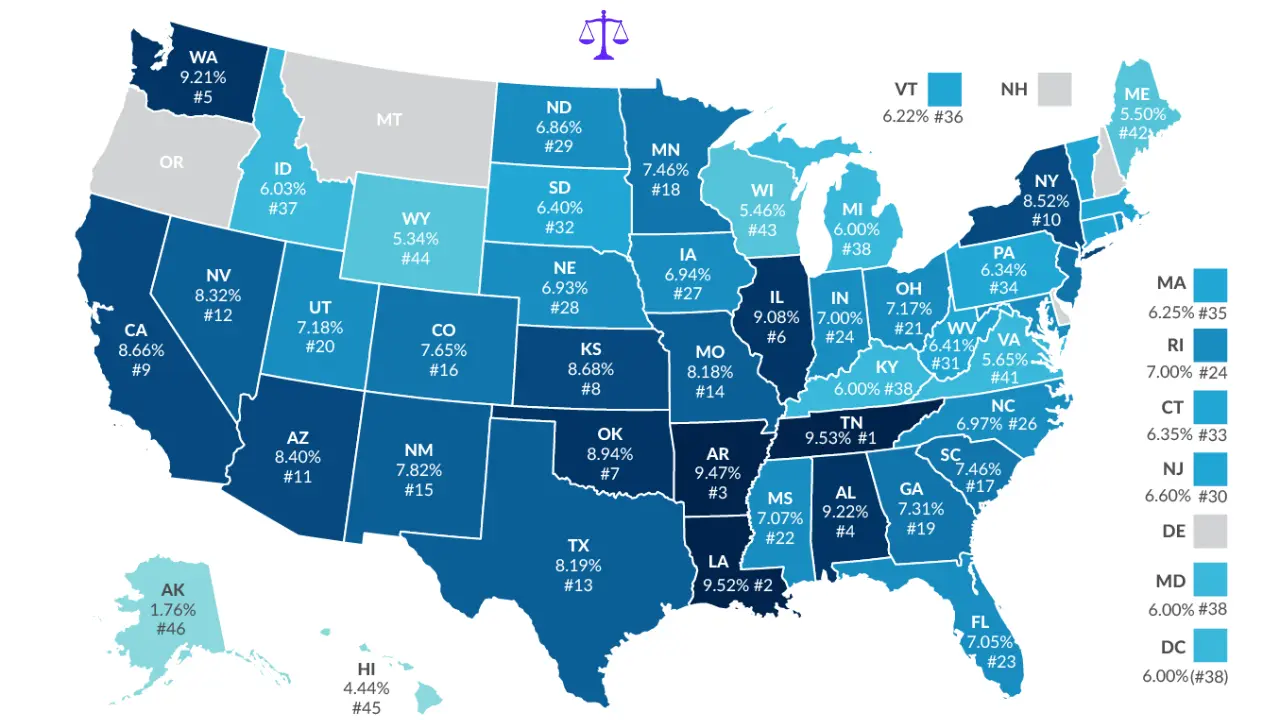
Understanding DC sales tax can help residents, visitors, and business owners know how much they will pay on purchases. Washington, DC applies sales tax to many goods, digital products, services, restaurant meals, and other transactions.
However, the District does not charge the same rate on every taxable purchase. Some products qualify for exemptions, while restaurants, hotels, alcohol, parking, and rental vehicles can face special rates.
What Is DC Sales Tax?
DC sales tax is a tax that businesses collect when customers buy taxable goods or services in the District. The standard general sales tax rate is 6%, although special rates apply to several categories.
Businesses normally add the required tax to the customer’s purchase price and collect it during the transaction. They then report and pay the collected amount to the District through its tax system.
For example, the general rate can apply to taxable tangible personal property and certain digital goods and services. Therefore, shoppers should not assume that the 6% rate applies to every purchase they make.
What Is the General DC Sales Tax Rate?
The general DC sales tax rate is 6% for many taxable purchases in Washington, DC. The District increased the general rate from 5.75% to 6% in October 2018.
For example, a taxable $100 purchase at the standard 6% rate generates $6 in sales tax. As a result, the customer’s total payment becomes $106 when no other charges affect the transaction.
The general rate covers many forms of tangible personal property and selected taxable services. Still, consumers should check the correct category because Washington, DC uses several special rates.
DC Sales Tax Rates for Different Purchases
Washington, DC uses special tax rates for certain purchases instead of applying one rate to everything. For instance, prepared food, vehicle rentals, hotels, alcohol, and parking can follow different rules.
The following table provides a useful overview of several major rates. Rates can change, so businesses should confirm the current figure with the DC Office of Tax and Revenue before filing.
| Purchase or Service | Tax Rate |
|---|---|
| General taxable sales | 6% |
| Prepared food and drinks for immediate consumption | 10% |
| Rental vehicles | 10.25% |
| Certain off-premises alcohol sales | 10.25% |
| Parking or vehicle storage | 18% |
| Hotel/transient accommodations* | Special rate applies |
*Hotel taxation has included temporary adjustments, so travelers and businesses should check the rate that applies on the transaction date.
How Does Sales Tax Work on Restaurant Meals?
Restaurant customers generally pay a higher tax rate than shoppers who make ordinary taxable retail purchases. The District applies a 10% rate to food and drinks prepared for immediate consumption under its sales tax rules.
Therefore, a taxable restaurant bill of $50 would generally create $5 in sales tax before any tip. This special restaurant rate explains why the tax on a meal may look higher than tax on standard merchandise.
Restaurants must properly identify taxable transactions and collect the correct amount from customers. In addition, businesses need accurate records so they can report their taxable sales correctly.
Which Purchases May Be Exempt From Sales Tax?
Not every purchase in Washington, DC is subject to DC sales tax, because the District provides exemptions for certain transactions. For example, qualifying grocery food and drinks that are not prepared for immediate consumption can generally receive exempt treatment.
The District also identifies medicines, drugs, and pharmaceuticals among its exempt sales categories. Certain residential utility services, internet access, and qualifying sales delivered outside the District can also receive exemptions.
However, an exemption can depend on the product, purchaser, seller, or circumstances surrounding the transaction. Therefore, consumers and businesses should check official rules instead of assuming that an item automatically qualifies.
Does DC Charge Sales Tax on Services?
Washington, DC taxes certain services even though customers do not receive a physical product. Examples include some landscaping, data processing, maintenance, printing, repair, cleaning, and information services.
In addition, certain health club, tanning studio, car washing, and household storage services can fall under taxable categories. These rules make it important for service businesses to classify their activities correctly.
However, the District does not automatically tax every service a company provides. Business owners should review the tax treatment of their exact service before collecting money from customers.
How Does DC Sales Tax Apply to Online Purchases?
Online shopping does not automatically remove a customer’s tax responsibility when a taxable product reaches Washington, DC. The District’s rules can apply when taxable goods or services are delivered to a purchaser within DC.
Many online sellers may collect the required tax directly when a customer completes an order. Consequently, buyers often see the applicable amount added during checkout instead of paying it separately later.
On the other hand, a sale delivered to a purchaser outside DC may qualify as an exempt sale under District rules. The destination of a transaction can therefore play an important role in determining its tax treatment.
What Is DC Use Tax?
Use tax works alongside DC sales tax and helps cover taxable purchases when sales tax was not collected as required. The District’s general use tax rate is also 6% for transactions that fall under the standard rate.
For example, a buyer may purchase taxable property from a seller outside the District and use that property in Washington, DC. Depending on the transaction, use tax may become due when the seller did not collect the required sales tax.
Sales and use taxes therefore work together to reduce differences between local and out-of-District taxable purchases. Consumers and businesses should keep purchase records when they may have a use-tax obligation.
What Should DC Businesses Know About Sales Tax?
Businesses that make taxable sales in Washington, DC may need to register, collect tax, file returns, and send payments to the District. New entities can use the District’s MyTax.DC.gov system for tax registration and related filing requirements.
Businesses should keep clear records of gross sales, taxable transactions, exempt transactions, and tax collected from customers. Good records make filing easier and can also help a business explain its figures if tax authorities review a return.
Moreover, late filing or late payment can create penalties and other tax costs for a business. Owners should follow their assigned filing schedule and check official guidance whenever tax rules or rates change.
Why Understanding DC Sales Tax Matters
Understanding DC sales tax helps consumers estimate the real cost of shopping, eating, traveling, and using taxable services. A shopper who knows the applicable rate can better understand why the final price differs from the advertised price.
The rules also matter greatly for businesses because sellers may carry important collection, reporting, and payment responsibilities. Applying the wrong rate can create accounting problems and potentially lead to unpaid tax, interest, or penalties.
Therefore, both consumers and sellers benefit from checking current rules before making important tax decisions. The DC Office of Tax and Revenue remains the best official source for current filing instructions and tax requirements.
Final Thoughts
The DC sales tax system uses a 6% general rate, but several goods and services follow different tax rates or exemptions. Prepared meals, alcohol, rental vehicles, hotels, and parking can receive different treatment depending on the transaction.
At the same time, qualifying grocery items, medicines, certain residential services, and other transactions may receive exemptions. These differences make proper classification an important part of understanding how much tax applies to a purchase.
Overall, knowing the DC sales tax rules can help shoppers plan expenses and help businesses collect the correct amount. Always check current guidance from the District before relying on a rate for filing, accounting, or major financial decisions.