Why Truck and Motorcycle Crashes Are Different: A Greenville Guide
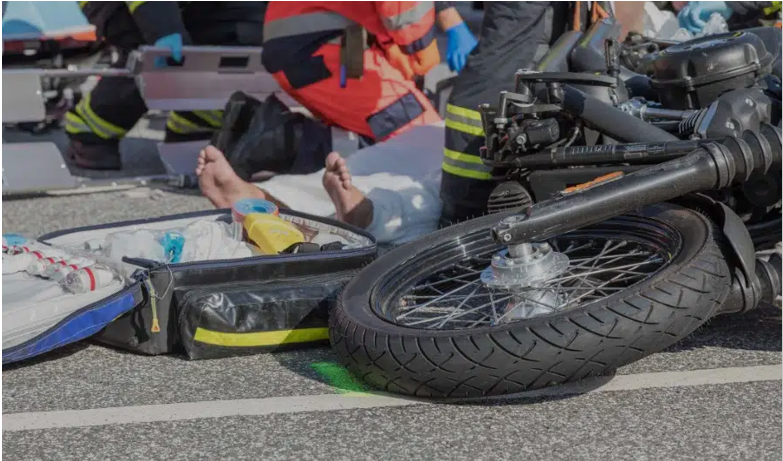
When people think about car accidents, they often imagine a typical fender-bender or two-vehicle collision. But accidents involving commercial trucks and motorcycles occupy a category of their own. They differ from ordinary car crashes in the severity of injuries they cause, the legal complexities they involve, and the unique challenges victims face in pursuing fair outcomes. For Greenville residents, understanding why these crashes are different and what those differences mean is key to protecting themselves if the unthinkable happens.
This article is general information rather than legal advice, but it should help Greenville residents understand what sets these accidents apart.
Different vehicles, different dangers
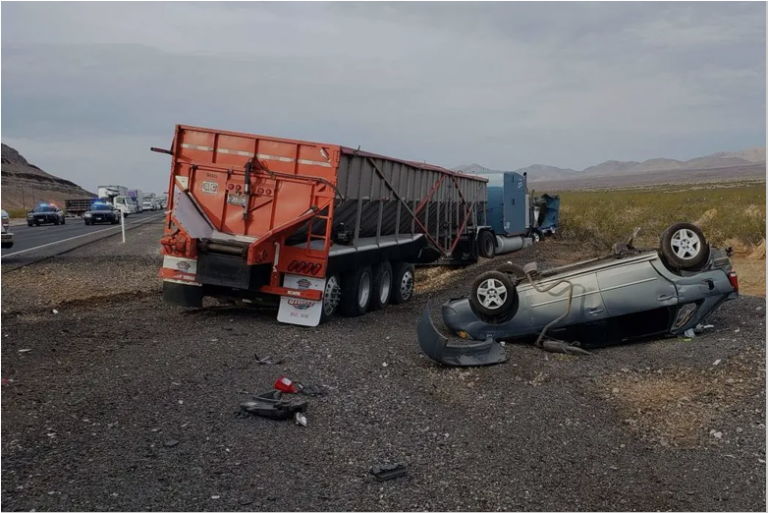
The most fundamental difference is in the vehicles themselves. Commercial trucks and motorcycles sit at opposite ends of the spectrum, and each poses dangers that an ordinary car simply doesn’t. A large truck’s danger lies in its massive size and weight, which can generate catastrophic force in a collision. A motorcycle’s danger lies in the opposite its complete lack of a protective enclosure, leaving the rider exposed.
These opposite extremes produce a common result: injuries that tend to be far more severe than in typical car accidents. Whether it’s the overwhelming impact of a truck collision or the unprotected exposure of a motorcyclist, victims of these crashes frequently suffer serious, life-altering harm. Understanding this shared severity, arising from opposite causes, is the starting point for appreciating why these accidents demand special attention. People affected by either type of crash often consult experienced greenville sc personal injury attorneys who understand what makes these cases distinct. Recognizing the heightened dangers helps victims grasp what’s at stake.
The web of responsibility in truck cases
One of the clearest ways truck accidents differ from ordinary crashes is in the question of who’s responsible. In a typical car accident, responsibility usually lies with one or both of the drivers involved. In a truck accident, the picture is often more complicated, because the trucking industry involves multiple parties whose actions can contribute to a crash.
Depending on the circumstances, responsibility might involve the truck driver, the trucking company that employs them, or others connected to loading, maintaining, or operating the vehicle. Identifying all the parties whose negligence may have played a role is a distinctive feature of truck accident cases. This complexity, while challenging, can also be important, as it may reveal multiple sources of accountability. People dealing with the aftermath of a truck crash often consult a greenville truck accident attorney to untangle this web of potential responsibility. Understanding that truck cases can involve multiple responsible parties is key to grasping how they differ from ordinary accidents.
The regulatory dimension
Another distinctive feature of truck accidents is the extensive web of regulations governing the trucking industry. Commercial trucking is subject to numerous federal and state rules covering matters such as how long drivers may operate without rest, how vehicles must be maintained, and how cargo must be loaded and secured. These regulations exist precisely because of the dangers large trucks pose.
This regulatory dimension distinguishes truck accident cases from ordinary crashes in an important way. When a truck accident occurs, whether the involved parties complied with these regulations can be central to understanding how it happened and who was at fault. Violations of safety rules can be significant in establishing accountability. This added layer of considerations absent in typical car accidents is part of what makes truck cases distinct and underscores why they require careful, knowledgeable handling. The regulations are complex, but they can be crucial to a victim’s case.
The unique challenges motorcyclists face
Motorcycle accident cases differ from ordinary crashes in their own ways, beginning with the extreme vulnerability of riders. Because motorcyclists lack the protection that a car’s frame provides, the injuries they suffer in a crash tend to be disproportionately severe. A collision that might cause minor harm between two cars can be devastating for a motorcyclist, which shapes the entire nature of these cases.
Compounding this is a challenge that’s distinctly a motorcyclist’s burden: bias. There’s sometimes an unfair assumption that motorcyclists are reckless or partly to blame for their own injuries, regardless of what actually happened. This bias can affect how insurance companies and others approach a rider’s claim, making it especially important to establish the true facts clearly. Riders navigating these challenges often consult a greenville motorcycle accident attorney who understands the unfair assumptions riders face. Recognizing these unique challenges is essential for any motorcyclist pursuing a claim.
What the differences mean for victims
Understanding why truck and motorcycle crashes differ from ordinary accidents isn’t merely academic; it has real implications for victims. The greater severity of injuries means that the stakes in terms of medical costs, lost income, and long-term impact are typically higher, making it especially important to account for the full scope of harm rather than settling for less. The added complexities mean these cases require more careful handling than a typical crash.
For victims, these differences underscore the importance of understanding their situation and approaching their claim knowledgeably. The same approach that might suffice for a minor car accident may be inadequate for the severity and complexity of a truck or motorcycle case. Recognizing that these accidents are different and that they demand careful attention to the full extent of the harm and the particular issues involved helps victims protect their interests appropriately.
The common thread: act knowledgeably and promptly
Despite their differences, truck and motorcycle accident cases share important common ground in how victims should approach them. In both, understanding one’s rights, accounting for the full extent of the harm, and establishing the facts clearly are essential. Both are governed by South Carolina’s comparative negligence rules, under which fault affects recovery, and both are subject to deadlines that make prompt action important.
Acting promptly preserves both the evidence these cases depend on and the legal options available. Given the severity and complexity involved, understanding one’s situation and seeking knowledgeable guidance is especially valuable in these cases. The victims who fare best are those who recognize what makes their case distinct, act in a timely way, and approach their claim with appropriate knowledge and care, rather than treating a serious truck or motorcycle crash like an ordinary accident.
Looking out for vulnerable road users
Beyond the specifics of individual cases, truck and motorcycle accidents highlight a broader reality about road safety: some road users are more vulnerable than others. Motorcyclists, with no protective enclosure, and occupants of passenger vehicles sharing the road with massive trucks, both face heightened risks through no fault of their own. Recognizing this vulnerability is part of understanding why these accidents deserve special attention.
For victims, this perspective reinforces that suffering serious harm in such a crash often reflects the inherent dangers of these situations rather than any failing on their part. Motorcyclists in particular should not internalize the unfair assumption that they’re to blame for choosing to ride. Understanding that the legal system provides avenues for vulnerable road users to seek accountability when others’ negligence harms them is empowering.
The bottom line
Truck and motorcycle crashes are genuinely different from ordinary car accidents in the severity of injuries they cause, the complexities they involve, and the challenges victims face. Truck cases bring multiple potential responsible parties and a web of regulations; motorcycle cases bring extreme vulnerability and unfair bias against riders. Understanding these differences helps Greenville victims appreciate why these cases demand careful, knowledgeable handling. By recognizing what sets these accidents apart, accounting for the full extent of the harm, and acting promptly with appropriate guidance, victims can protect their interests and pursue the fair outcomes they deserve.