Staying Safe on Tennessee Roads: Preventing Truck Accidents and Navigating Risk
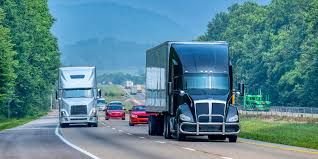
Table of Contents
- Common Causes of Truck Accidents
- High-Risk Areas in Tennessee
- Weather-Related Hazards
- Nighttime Driving Risks
- Preventive Measures for Drivers
- Legal Responsibilities of Trucking Companies
- What to Do After a Truck Accident
- Conclusion
Sharing highways and byways with large commercial trucks is part of everyday life for Tennessee drivers. Because heavy vehicles typically weigh tens of thousands of pounds more than passenger cars, collisions can cause devastating injuries and property damage. That is why it is essential to understand the risk factors involved and adopt mindful driving habits whenever possible. For those facing legal challenges after an accident, a Murfreesboro Truck Accident Lawyer can help protect your rights and pursue fair compensation.
Every year, truck accidents lead to serious disruptions for Tennessee families. While truck drivers have professional responsibilities, it is also up to other motorists to share the road safely and watch for hazards. By understanding the most common causes of truck collisions and where they most often occur, you can minimize your personal risk and keep everyone on the road safer. From weather challenges to high-risk areas and nighttime dangers, Tennessee drivers face a range of unique hazards. Knowing how to avoid a truck’s blind spots, maintain sensible distances, and react appropriately in different conditions is critical for preventing catastrophic accidents. Legal requirements are in place for trucking companies as well, covering issues such as vehicle maintenance and safe driving practices. In the aftermath of a crash, following a careful step-by-step process ensures safety and preserves your rights if you need to file a claim.
Common Causes of Truck Accidents
Truck accidents rarely happen for a single reason. Multiple factors can converge, making even a momentary lapse in judgment dangerous. Common contributing elements include:
- Driver Fatigue: Truck drivers often work long, tiring hours, making drowsiness a serious threat. Exhaustion reduces alertness, impairs judgment, and slows reaction time. According to the National Institute for Occupational Safety and Health, fatigue is a root cause of many trucking accidents.
- Distracted Driving: Operating a cell phone or interacting with navigation devices behind the wheel impairs a truck driver’s ability to notice a slowing car or a sharp curve.
- Speeding: High speeds make it much harder for a truck to stop quickly in an emergency, and collisions become much more severe as a result.
- Poor Vehicle Maintenance: Failing brakes, worn-out tires, or inadequate lighting can all be lethal. Regular upkeep is crucial for safe operation.
- Improper Cargo Loading: Cargo that is unbalanced or not properly secured can shift during transit, causing a loss of control or potentially leading to a rollover.
Awareness of these hazards helps drivers stay alert and prioritize safe driving habits, whether operating a passenger car or a commercial vehicle.
High-Risk Areas in Tennessee
Certain regions of Tennessee are especially dangerous for truck traffic. The I-40 corridor, which passes through major cities like Nashville, is frequently congested with both local and through traffic. This area features numerous interchanges, complex lane patterns, and frequent stop-and-go traffic, increasing the risk of collisions.
The stretch of I-24 around Monteagle is another hotspot for truck accidents. Its steep inclines and tight curves are particularly challenging for large trucks, especially in inclement weather. Drivers should always use extra caution and patience in these known trouble spots, allowing themselves additional space and time to react.
Weather-Related Hazards
Tennessee experiences a wide range of weather patterns that can turn safe roads dangerous in a matter of minutes. Two major weather concerns make driving significantly riskier:
- Rain and Fog: Reduced visibility combines with slick pavement to increase the stopping distance for large trucks. Heavy rainfall can also lead to hydroplaning and loss of traction.
- Ice and Snow: Wintry conditions can render a truck almost impossible to control, especially on bridges and overpasses that freeze before other surfaces. Pay extra attention to weather alerts and advisories before heading out in severe weather.
Nighttime Driving Risks
Darkness adds another layer of danger when sharing the road with big rigs. The most crucial nighttime risks are:
- Reduced Visibility: Fewer streetlights and the challenges of judging distances at night can hide hazards until it is too late to react.
- Driver Fatigue: Research from the National Highway Traffic Safety Administration shows that drowsy driving is much more common and dangerous after dark, affecting both truck drivers and other motorists.
If you must drive at night, slow down, eliminate distractions, and remain vigilant for drivers who are tired or inattentive.
Preventive Measures for Drivers
Every driver can take proactive steps to reduce the odds of a crash with a large truck. The most effective measures include:
- Maintain Safe Distances: Leave plenty of space in front and behind large trucks. Trucks need a much longer distance than cars to stop safely.
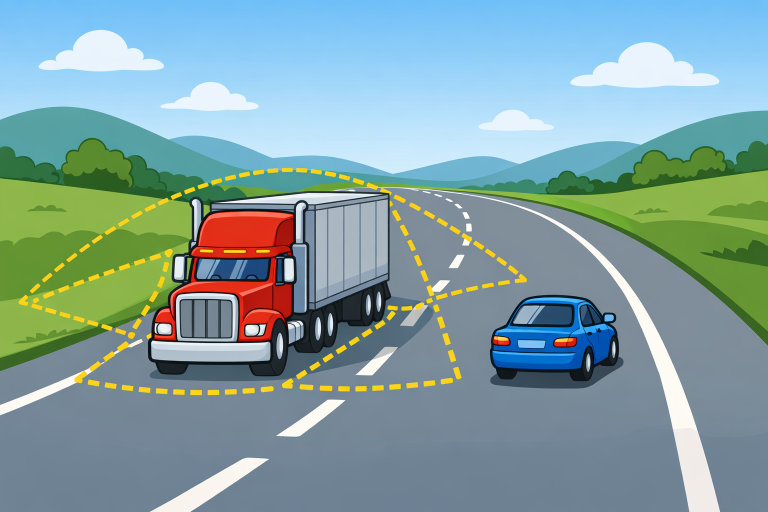
- Avoid Blind Spots: Trucks have large blind spots, especially on the right side and directly behind or in front of the trailer. If you cannot see the truck driver’s mirrors, they probably cannot see you.
- Use Turn Signals Early: Clear and early communication gives truck drivers more time to react safely to your intentions.
- Be Patient: Never cut off or make sudden movements around trucks. Wait until you have plenty of visibility and space before passing.
Legal Responsibilities of Trucking Companies
Trucking companies are held to strict legal standards regarding vehicle and driver safety. This includes routine maintenance inspections, following hours-of-service regulations to prevent fatigue, and ensuring cargo is properly secured at all times. Moreover, companies must provide comprehensive driver training and enforce guidelines to prevent risky driving behaviors. When companies neglect these responsibilities, they can be held liable for the resulting harm.
What to Do After a Truck Accident
The aftermath of a truck accident can be chaotic. If you are involved in a collision, these steps may help protect you physically, emotionally, and legally:
- Ensure Safety: If it is safe to do so, move vehicles out of travel lanes and turn on your hazards.
- Call Emergency Services: Get help from police and medical personnel right away, even for minor injuries.
- Document the Scene: Take photos of vehicle damage, injuries, and road conditions. Gather witness names and phone numbers.
- Seek Medical Attention: Some injuries become apparent only hours or days later, so a prompt evaluation is important.
- Consult Legal Counsel: A lawyer can help you understand your rights and seek compensation if you are hurt or your property is damaged.
Conclusion
Large trucks play a vital role in Tennessee’s economy, but they also pose serious risks on the roadways. By staying aware of common causes, being mindful of high-risk areas, and adopting sensible safety measures, drivers can help reduce the frequency and severity of collisions. Knowledge and caution are key to keeping Tennessee roads safer for everyone.