Native Shampoo Lawsuit: What Consumers Need to Know in 2025
Introduction
The Native shampoo lawsuit has turned into one of the most talked-about legal issues in the beauty world. Native, a brand celebrated for its “natural” and “clean” formulas, is now facing scrutiny over allegations of misleading marketing and hidden chemicals.
This whole controversy has raised big questions about the trust consumers put in clean-beauty brands and whether “natural” always means safe. In this article, we take a deeper look at what the lawsuit is all about, what has been claimed, and what that could mean for you as a buyer. Have you checked our detailed guide on ginger ale lawsuit.
What Sparked the Native Shampoo Lawsuit
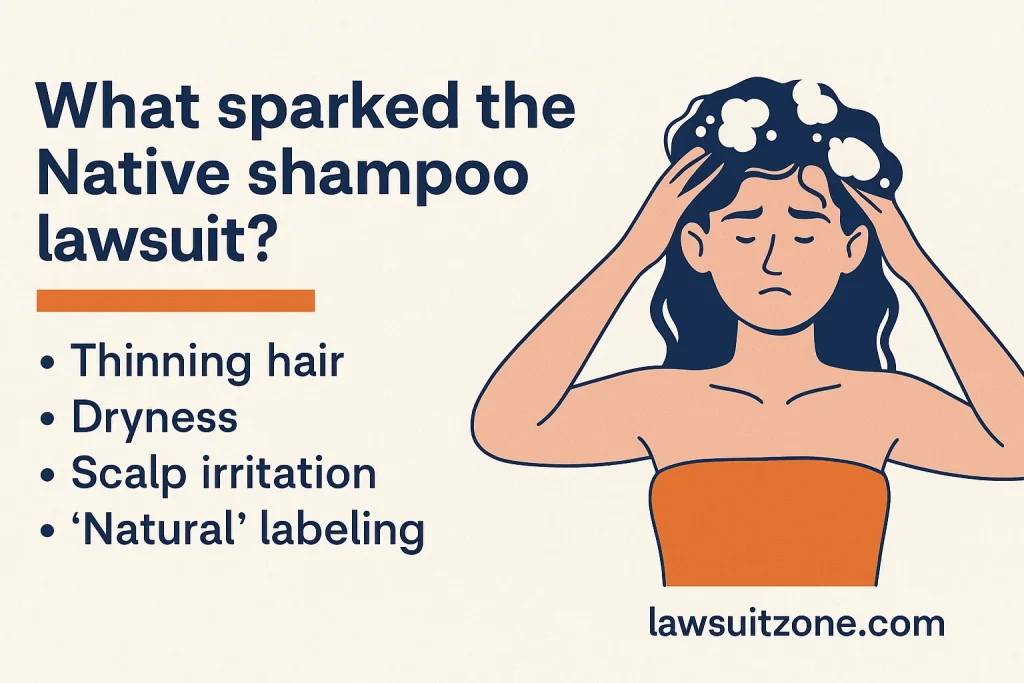
The legal challenge began when consumers started reporting unexpected side effects after using Native’s shampoos and conditioners.
Some complained of thinning hair, dryness, or scalp irritation. Others said the brand’s “natural” and “chemical-free” marketing didn’t match the ingredient labels. The native shampoo lawsuit focuses on whether these claims were misleading or incomplete.
The case, in simple terms, is about transparency the brand living up to what it actually promised.
The “Natural” Controversy
Native made its name on being clean and simple. Its minimalist packaging and sulfate-free formulas attracted the eco-conscious consumer seeking gentler hair care.
But with the legal documents came questions. Lawyers and consumer groups say that some Native products may contain PFAS, also known as “forever chemicals.” These chemicals don’t break down in either the environment or the human body and have been linked to health problems.
If true, this would call into question the root of Native’s brand identity: the idea that its products are safe and free of harsh additives.
What Consumers Are Saying
Thousands of web users have shared their experiences online, which range from mild irritation to substantial hair loss. Not everyone experienced such effects, but the pattern was enough to attract legal attention.
The lawsuit against Native shampoo does not say all their products are unsafe, but rather, consumers should have been made aware of ingredients and possible side effects in advance.
It is less about damage and much more about honesty for many.
Legal Focus of the Case
Misleading Advertisements
Plaintiffs argue that Native’s use of words such as “clean,” “natural,” and “non-toxic” may have misled customers. In the beauty industry, such labeling can be emotionally appealing, yet at the same time, may constitute legal expectation.
Ingredient Disclosure
Investigators are analyzing product samples to find out if PFAS or other synthetic chemicals were present. If so, the company would possibly face penalties for false labeling or deceptive marketing.
Consumer Harm
Those filing the suit say Native failed to adequately warn consumers of the possible side effects, and damages will be sought to the extent direct harm can be linked to certain products.
Broader Impact on the Beauty Industry
The native shampoo lawsuit is more than one company’s problem; it’s a wake-up call for the entire clean-beauty sector.
For years, brands have uttered the words “eco-friendly” and “natural” with little actual regulatory meaning; now, consumers and lawmakers are demanding some real accountability.
It won’t be long before we begin to see more stringent standards on what can be considered “clean,” and increased ingredient testing and disclosure.
What You Should Do as a Consumer
If you already use Native shampoo or similar products, here are a few smart steps:
- Always read ingredient lists carefully don’t rely solely on marketing terms.
- Pay extra attention to your scalp and hair after you’ve switched products.
- If you develop irritation or hair loss, photograph it and date the photos.
- Follow the latest official updates for information on the native shampoo lawsuit.
- Consult a dermatologist before you change your routine drastically.
Even if you haven’t had any problems, the more you know, the better decisions you can make.
Present Status of the Case
As of 2025, the lawsuit remains in investigation and early stages of litigation, with law firms and consumer groups gathering evidence and identifying affected consumers.
The settlement or judgment has not been announced yet, but similar cases in the beauty industry often result in a reformulation of products, refunds, or a class-action settlement.
The Native shampoo lawsuit may follow the same route, focusing on better labeling, revised formulas, and educating consumers.
Possible Outcomes
1. Product Reformulation
Native could re-formulate its products to remove disputed ingredients and regain consumer confidence.
2. Partial Settlement
The brand could agree to compensate affected customers or fund independent safety testing.
3. Regulatory Oversight
If proved that the “natural” claims have been exaggerated, it could lead to wider investigations across the beauty sector.
4. Case Dismissal
If Native successfully defends its formulations and labeling, the case may be closed with no penalties, but the public scrutiny could still drive a change in behavior.
Lessons from the Native Shampoo Lawsuit
- Transparency matters. Consumers no longer accept vague “natural” claims; they want proof.
- Documentation protects you. Always keep receipts, batch numbers, and photos of affected products.
- Clean beauty deserves clarity. Lawsuits like this push brands to make words align with science.
- Awareness empowers. Knowing what’s in your shampoo can make you make safer, smarter purchases.
The native shampoo lawsuit is not just a legal story; it’s part of a larger conversation about honesty in the beauty industry.
The Bigger Picture
The case reveals a culture shift: consumers are becoming more critical of advertising and look for transparency of ingredients.
Whether Native is found liable or not, the suit sends a message: clean beauty should mean clear beauty.
Companies that use the words “non-toxic” have to back those words up with data, not marketing spin.
As one legal analyst put it, “This case may not just change one brand it might redefine the meaning of natural in personal care.”
How It Affects Future Brands
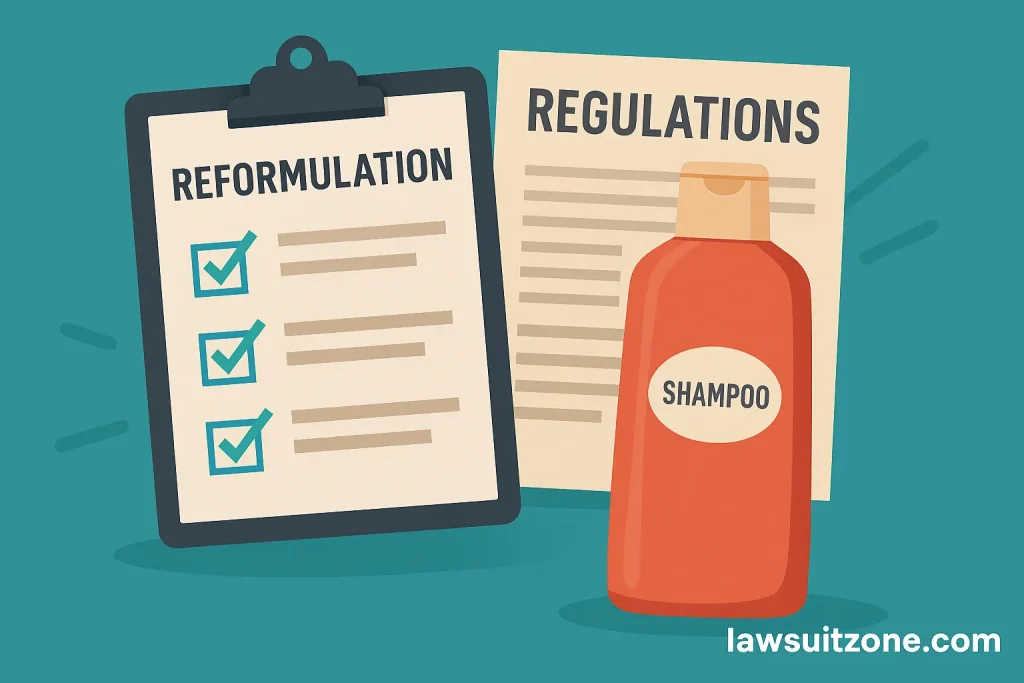
After the class-action suit involving native shampoo, beauty companies are likely to be more circumspect in their marketing claims. Many will:
- Increase third-party testing for chemical safety.
- Avoid over-promising with unverified “green” labels.
- Be transparent about where and how products are made.
This could be a win for both consumers and honest brands that already meet high standards in the long run.
Do-Follow Link (Naturally Included)
For official guidance regarding cosmetic labeling and consumer rights, check the FDA’s Cosmetics Regulation Guide an excellent resource to understand what companies legally must disclose when it comes to ingredients and marketing claims.
Frequently Asked Questions
Conclusion
The class action against Native Shampoo is just an example that even trusted brands could easily have difficult questions to answer if transparency was lacking.
Whether it ends with settlement, reform, or new regulations, this case highlights what’s needed in beauty products: honesty, safety, and accountability.
Consumers have a right to expect products that deliver on their promises — and this lawsuit could help ensure that future generations are better served.