PFAS Lawsuit Update: 2025 Claims, Settlements & Guide
In all, the PFAS lawsuit update continues to be one of the most consequential legal and environmental stories in the United States today. PFAS, or per- and polyfluoroalkyl substances, have been manufactured and used for decades in industrial, commercial, and household products. Once praised for their durability, these chemicals have found themselves at the center of thousands of lawsuits because of widespread environmental contamination and concerns over long-term exposure.
As research has learned more about how PFAS persists in soil, water, and the human body, litigation has grown to include individuals, municipalities, firefighters, airports, military bases, and even whole states. The year 2025 will bring another major phase in the legal battle against companies accused of allowing PFAS contamination to spread without adequate warnings or safeguards.
This comprehensive guide describes how PFAS contamination occurred, who is filing lawsuits, the latest developments in court, and what communities can expect from here. Have you checked our detailed guide on valsartan lawsuit update.
Understanding PFAS and Their Use in Everyday Products
PFAS are a vast family of man-made chemicals designed to resist the effects of heat, water, stains, and grease. Their utility rendered them ubiquitous in manufacturing for more than half a century.
Common Sources of PFAS Exposure
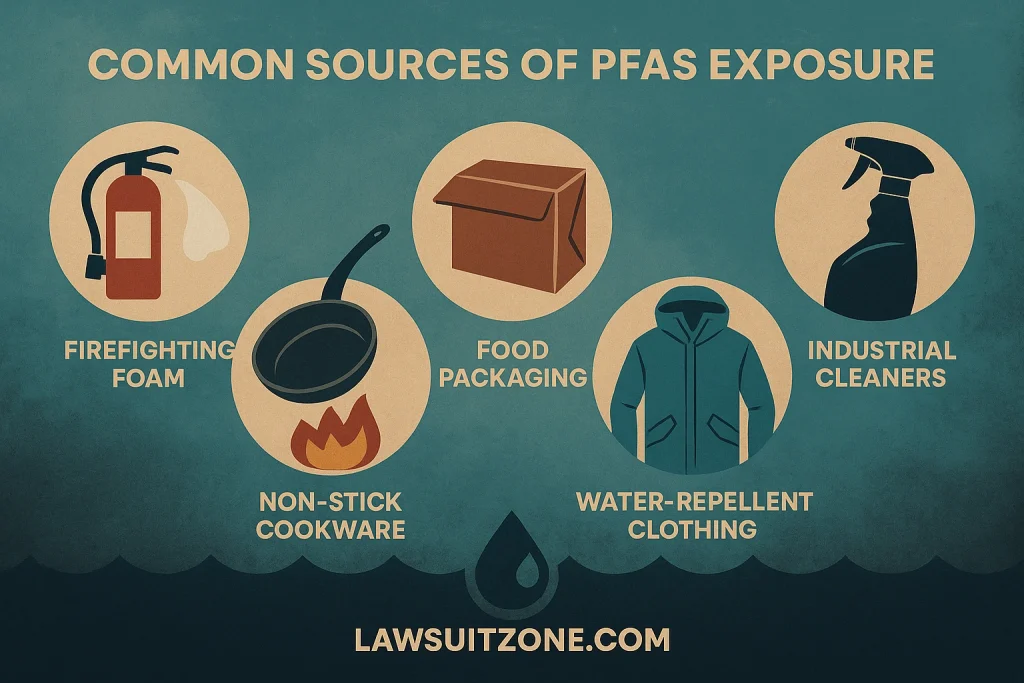
PFAS can be found in:
- AFFF firefighting foams
- Non-sticking cookware coatings
- Oil- and grease-resistant packaging of food
- Water-repellent clothing
- Carpets and upholstery treated for stain-resistance
- Industrial cleaners and specialty chemicals
What makes PFAS especially concerning is that they don’t break down naturally. Once in the environment, they can remain for generations.
Why PFAS Lawsuits Have Grown So Quickly
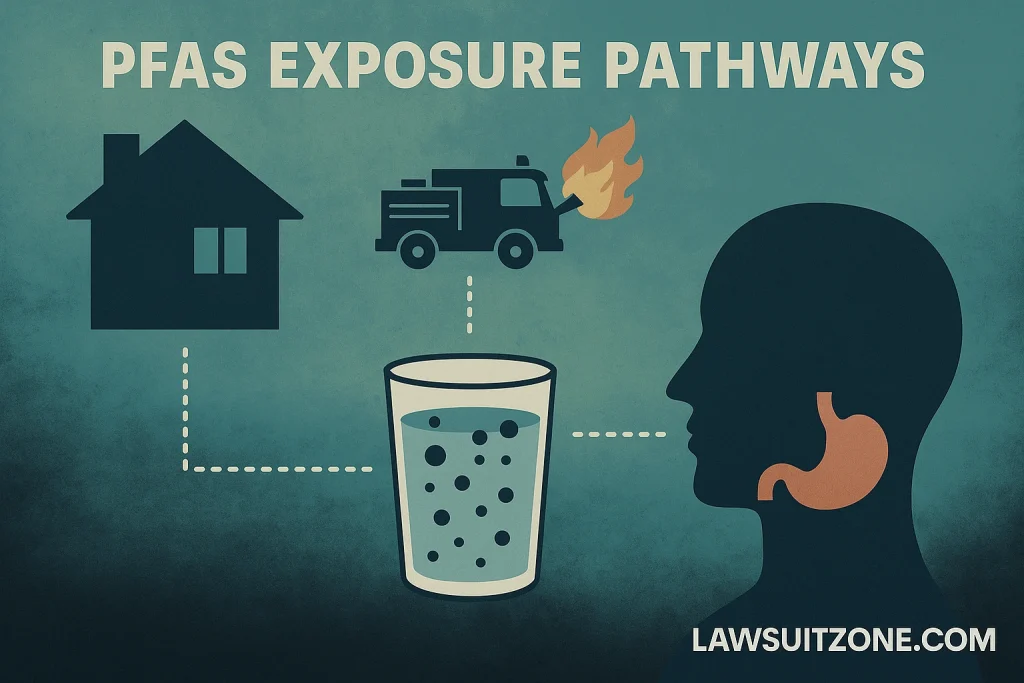
PFAS litigation had a dramatic growth once studies came to light showing contaminated drinking water systems, agricultural soil, and groundwater from coast to coast. Communities became aware that PFAS released decades ago remained, sometimes near public water sources or military installations.
Common Allegations Within PFAS Lawsuits
Many lawsuits say that chemical manufacturers:
- Knew PFAS were environmentally persistent
- Understood possible harms long before the public did
- Failed to warn consumers, workers and municipalities
- Contributed to extensive contamination through poor disposal
- Put commercial profits above public safety
Firefighters and military personnel, too, are filing claims, especially those who were exposed to AFFF over so many years without proper protective guidance.
PFAS Lawsuit Update 2025: What’s Happening Now
Already in 2025, a new tide of developments is sweeping through PFAS litigation, with courts, regulators, and manufacturers responding to the mounting legal pressure.
1. Historic Settlement Agreements Are Advancing
Several major chemical companies have agreed to pay billions—tentatively or officially—for PFAS cleanup. So far, the funds largely go to water providers who are required to upgrade filtration systems.
Notable recent agreements include:
- 3M’s multibillion-dollar commitment to help public water suppliers
- Commitments of DuPont, Chemours, and Corteva toward environmental remediation
These agreements do not close the cases of PFAS litigation but do mark a sea change in corporate liability. Many locals say cleanup costs still outstrip funds available, so more talks are expected.
2. AFFF Firefighting Foam Litigation Continues to Expand
Firefighting foam is one of the biggest contributors to PFAS contamination. Decades of use in aviation, industrial sites, and emergency response training often allowed AFFF to seep into the soil and groundwater.
Affected groups include:
- Firefighters at municipal fire stations
- Military personnel in bases and training grounds
- Airport safety teams
- Industrial fire response teams
AFFF lawsuits continue to be one of the most active categories of PFAS litigation as of 2025.
3. EPA Regulations Are Becoming More Aggressive
The EPA is developing stricter national standards for PFAS in drinking water and industrial emissions. The agency has also stepped up enforcement at contaminated sites.
For validated regulatory changes, please see the EPA’s PFAS webpage:
Owing to evolving regulations, more municipalities uncover contamination previously not detected.
4. Personal Injury Claims Arising from PFAS Exposure Continue to Increase
People are increasingly filing lawsuits about long-term exposure through contaminated drinking water. Many of these cases have claimed:
- Failure to notify residents of contamination
- Delays or incomplete testing on the part of municipal water systems
- Industrial effluent near residential areas
Some personal injury suits point to concerns cited in research that links PFAS exposure with immune disruption, thyroid problems, liver effects, and certain cancers referenced in litigation.
5. Lawsuits Over Property Damage Picking Up Steam
In addition to personal injury and municipal claims, property owners have filed lawsuits claiming:
- Decreased property values
- Wells or soil contamination
- Long-term agricultural disruption
- Costs of private water filtration systems
Homeowners close to military bases, chemical plants, and airports have been the most seriously affected.
Who Qualifies to File a PFAS Lawsuit?
Eligibility varies depending on the type of claim, but generally individuals and communities are eligible if the PFAS contamination can be sourced back to a known source.
1. Persons Exposed Through Contaminated Drinking Water
You may be eligible if:
- Your household water tested positive for PFAS
- You lived near industrial plants or airports
- You used the contaminated water for years
Health-related concerns in scientific research and litigation claims may be mentioned in just about any lawsuit.
2. Firefighters & Military Personnel Exposed to AFFF
Firefighters may be eligible if they:
- Trained or used PFAS-based foam
- Worked in high exposure level environments
- Did not receive adequate warnings about safety
These cases are continuously growing because of the wide usage of AFFF both federally and regionally.
3. Homeowners and Property Owners
Property damage claims include:
- Well contamination
- Soil pollution
- Agricultural decline
- Decreased land and home value
4. Cities, States and Water Districts
Municipal entities sue to recoup the cost of:
- Water treatment upgrades
- Remediation of contamination sites
- Regulatory reporting
- Long-term monitoring programs
How to File a PFAS Lawsuit: A Step-by-Step Guide
A typical process for bringing a PFAS claim involves:
1. Case Assessment
The type of exposure, location data, and exemplary damages are reviewed by an attorney.
2. Testing and Documentation
This may include:
- Water quality reports
- Property contamination tests
- Residential history
- Medical documentation (if applicable)
3. Filing an Individual or MDL Claim
Many PFAS cases are joining in the multidistrict litigation to simplify everything in courts.
4. Negotiation of Settlement or Trial
Most big environmental cases settle, but some may go forward into courtroom trials depending on evidence and defendants’ willingness to negotiate.
Approximate Compensation in the PFAS Lawsuits
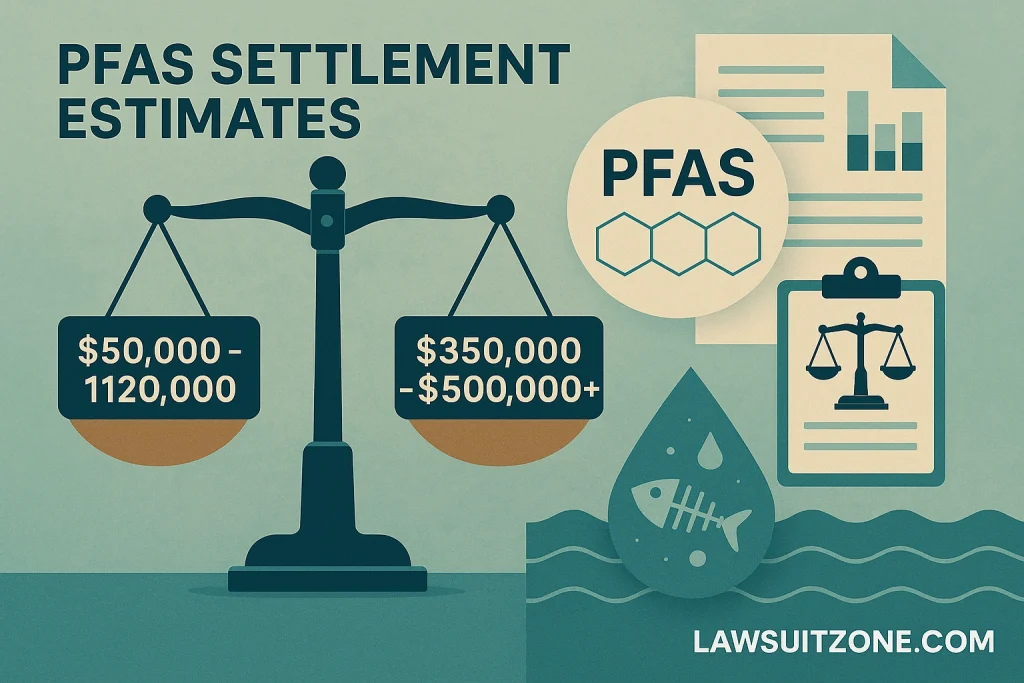
Settlement amounts for PFAS vary widely depending on:
- Length and severity of exposure
- Type of damages: ecological, municipal, personal
- Costs of cleanup or medical treatment
- Property or economic losses
Estimated Ranges Are Subject to Future Court Outcomes
Claims Against Municipal Water Systems
From millions to billions of dollars, depending on the population concerned and level of contamination.
Personal Injury Claims
Compensation may include:
- Medical expenses
- Lost earnings
- Pain and suffering
- Lifelong costs of monitoring
Property Damage Claims
Typical compensation may include:
- Reduced property value
- Cost of treatment of contaminated groundwater
- Agricultural losses
Because PFAS cases remain in their early stages compared to other environmental mass torts, settlement values will likely continue to evolve as bellwether trials progress.
Why PFAS Lawsuits Are Among the Most Complex in U.S. History
Several factors complicate PFAS litigation:
- There are thousands of variants of PFAS chemicals
- Exposure can occur through numerous paths
- The contamination could have started decades ago
- There may be multiple corporate defendants involved
- Scientific knowledge is continuously growing
Despite these complexities, PFAS-related cases are moving forward as evidence and regulations continue to mount.
Timeline of PFAS Litigation and Regulation
1950s–1990s
PFAS introduced and widely adopted
Early signs of environmental concern arise
2000s
Research raises questions about long-term impacts
Initial lawsuits against major manufacturers
2010s
EPA and state agencies start issuing health advisories
Communities identify pervasive water pollution
2020–2024
Massive settlements negotiated
MDLs established for AFFF and water contamination cases
2025 (Current)
- Testing expands nationally
- New lawsuits continue to emerge
- Bellwether cases approach trial
- Regulatory standards tighten
How PFAS Exposure Is Detected
Testing generally includes:
- Municipal water testing
- Private well sampling
- Soil assessment
- Blood tests to track individual exposure
With increased testing technology, more sites containing contamination will be found.
Frequently Asked Questions About PFAS Lawsuits
Conclusion
The update in the PFAS lawsuit serves as a real turning point in environmental accountability: contamination affecting communities across the country, and new legal actions targeting some of the world’s largest chemical companies meaning that the coming years will define how PFAS is regulated, remediated, and compensated.
Knowledge about exposure sources, legal developments, and gathering documentation—all steps in the journey toward justice and recovery for individuals and municipalities exposed to PFAS.