Bench Craft Company Lawsuit: The Full Scoop
Introduction: Why This Lawsuit Has Everyone Talking
If you’ve ever run a small business, you know how precious your marketing budget is. Every dollar counts, and you expect real results from advertising partners. That’s why the Bench Craft Company lawsuit has caught so much attention.
Illustration of a lawsuit file, scales of justice, and a judge’s gavel with a binder, symbolizing ongoing legal proceedings in the Bench Craft Company lawsuit.
This isn’t merely about one business. It’s a tale about trust in advertising, consumer protection, and how susceptible businesses can be when words don’t live up to expectations. Have you checked our detailed guide on Invisalign Class Action Lawsuit.
What Is Bench Craft Company?
Origins and Growth
Bench Craft Company was established in 1982 in Portland, Oregon. The idea was revolutionary at the time: local businesses could advertise on golf course materials and courses got free scorecards, signs, and benches.
The draw was obvious:
- Golfers spend all day on the course, with ads in front of them.
- Small companies could advertise locally without paying large media fees.
- Golf courses enjoyed free materials and equipment.
The formula worked for decades. Bench Craft grew nationally, selling ad space to thousands of small companies. But with expansion came criticism.
How the Lawsuit Began
Complaints from Business Owners
As the years went by, unhappy clients started reporting anecdotes that told a disturbing tale:
- Ads were guaranteed high-profile placement but were relegated to lower positions.
- Numbers of exposures sounded exaggerated relative to actual performance.
- Cancellation or reworking contracts was problematic, in some cases impossible.
Accusations of Misrepresentation
The underlying theme in the Bench Craft Company case is that the firm misled businesses about its ad effectiveness. Sales representatives supposedly made aggressive claims about reach and ROI that proved later to be exaggerated or false.
Escalation to Legal Action
When a number of small businesses complained to the same effect, legal analysts saw a pattern. A class action lawsuit was brought against Bench Craft for false advertising, breach of contract, and deceptive trade practices.
What Is a Class Action Lawsuit?
A class action lawsuit is a legal mechanism that enables many individuals or companies with common problems to sue collectively as one entity. Rather than dozens of separate cases, all grievances are packaged in one suit.
Why it matters:
- Strength in numbers: Small businesses usually can’t afford individual lawsuits. Collectively, they have a better chance.
- Consistency: All plaintiffs share an equal portion of any settlement.
- Pressure on defendants: A big, consolidated case compels firms to react seriously.
In this case, corporations throughout the United States joined forces to seek justice against Bench Craft.
Legal Foundations of the Bench Craft Company Lawsuit
False Advertising
Plaintiffs contend that Bench Craft exaggerated the success of its ads, reporting reach and impressions that didn’t exist.
Breach of Contract
Some customers complain that what they had paid for was not delivered from ad placement to visibility promises.
Deceptive Trade Practices
Consumer protection statutes ban deceptive practices. Bench Craft can be fined and regulated more heavily if found guilty.
Business Damages
Aside from shattered promises, a lot of small businesses contend that they had lost money they could not afford to waste, damaging their growth.
How Businesses Were Affected
Financial Strain
To most small businesses, forfeiting thousands on ineffectual advertising may equate to downsizing, trimming services, or postponing expansion plans.
Erosion of Trust
Advertising is already dangerous, but suits like this make people more cynical. Businessmen are now more guarded, requiring evidence before agreeing to a contract.
Lost Opportunities
Each dollar wasted on a failed ad campaign is money that might have been spent on better marketing. Some companies say they lost opportunities for expansion because they relied on the wrong partner.
Timeline for the Bench Craft Company Lawsuit
- 1982: Company established in Portland, Oregon.
- 1990s–2000s: Expansion on U.S. golf courses.
- 2010s: Businesses’ complaints get louder.
- 2019–2021: A class action lawsuit is filed.
- Today: Legal process ongoing; no final judgment yet.
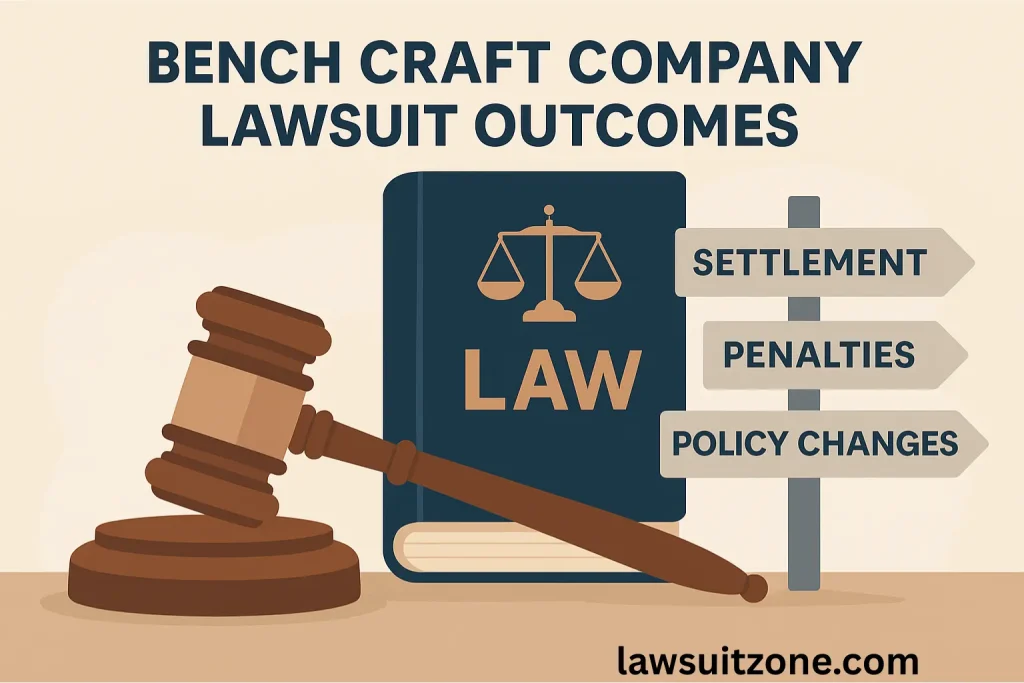
Possible Outcomes
Settlement
The company can settle to pay affected businesses without conceding fault.
Court Ruling
If the case proceeds to trial, a judge might decree Bench Craft to pay damages and alter its practices.
Business Reforms
Even without a financial blow, Bench Craft might have to alter the way it sells and delivers its services.
Industry Impact
Other specialty advertisers might also tighten contracts and promises to stay out of lawsuits.
Lessons for Business Owners
The case is a cautionary tale with significant lessons:
Research Before Signing
Check testimonials, reviews, and Better Business Bureau ratings.
Read Contracts Carefully
Know cancellation policies and guarantees.
Measure ROI
Regularly monitor your marketing results rather than saving up for a campaign conclusion.
Know Your Rights
Consumer protection laws are in place to help you. For reliable information, look at the Federal Trade Commission.
Broader Implications for the Advertising Industry
Growing Demand for Transparency
Companies today expect advertisers to provide better, more transparent metrics, data, and assurances.
Accountability in Marketing
Businesses are finding out they need to produce results, not promises.
Empowered Consumers
Small businesses are taking a more active role in guarding themselves legally and financially.
FAQs About the Bench Craft Company Lawsuit
Conclusion
The lawsuit against the Bench Craft Company is more than a court case. It’s a reminder that trust, honesty, and responsibility are key in business.
For companies, it highlights the importance of vetting providers, monitoring ROI, and insulating themselves with contracts. For the advertising sector, it’s a wake-up call: results must equal promises.
As the case moves forward, its outcome could reshape how advertising companies operate — not just Bench Craft, but across the industry. Whether you’re a small business owner or a marketing professional, the lessons here are clear: be cautious, be informed, and always demand accountability.