Gorilla Glue Lawsuit: 2025 Complete Consumer Guide
Introduction
The Gorilla Glue lawsuit made headlines overseas when a viral accident turned over-the-counter household adhesives into a front-page story. What started as one isolated incident of product abuse quickly escalated into a wider discussion regarding product safety, company accountability, and consumer protections.
This piece walks you through an end-to-end, step-by-step account of the Gorilla Glue lawsuit its history, the main charges, courtroom updates, consumer impact, and the larger implications for the entire adhesives industry. Have you checked our detailed guide on Bar Rescue Lawsuit.
Learning About Gorilla Glue: Something More Than an Adhesive
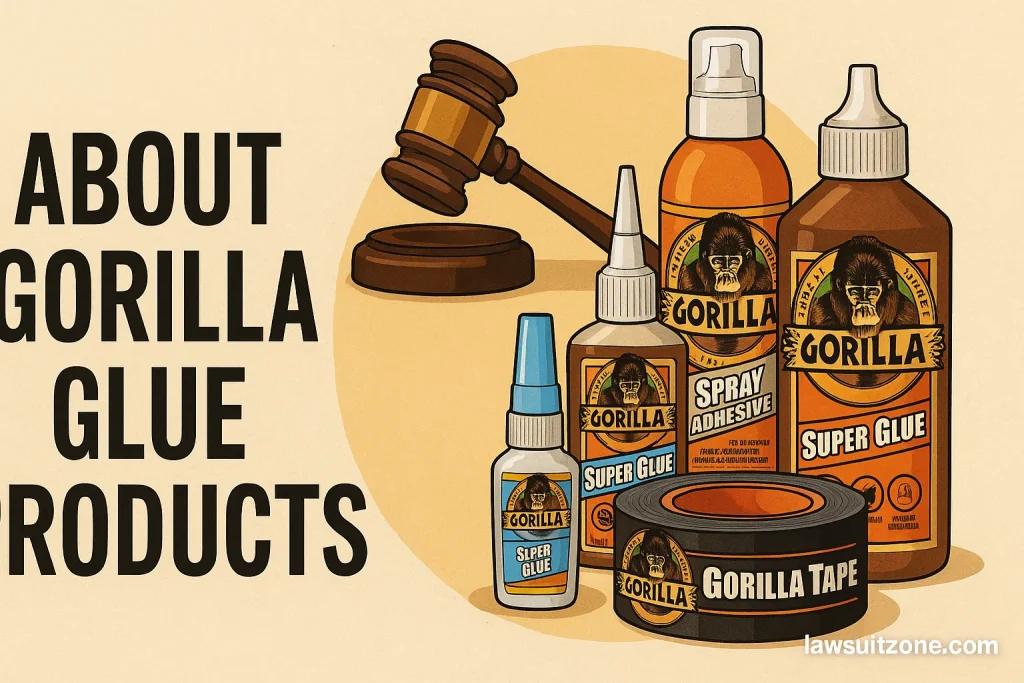
Established during the late 1990s, Gorilla Glue became an instant household name. From construction professional to do-it-yourself projects, the company advertised itself as the answer for “the toughest jobs on Planet Earth.”
The products it offers include:
- Gorilla Original Glue
- Gorilla Super Glue
- Gorilla Tape
- Gorilla Construction Adhesives
The company basked in almost-unquestioned trust for years. It all changed with the onset of the Gorilla Glue lawsuit that brought the company into the light of the courtroom.
Why the Gorilla Glue Lawsuit Occurred
Product suits usually track a familiar pattern:
- Consumer Harm – Someone has an unforeseen injury or harm.
- Blame Assigned – The consumer complains the company didn’t warn or deceived.
- Media Attention – One case becomes a bigger public debate.
- Legal Filing – Suits demand compensation, responsibility, or both.
The Gorilla Glue lawsuit started with a quirky — yet high-profile — misuse that posed huge questions about warning labels and liability.
The Viral Incident That Kicked It All Off
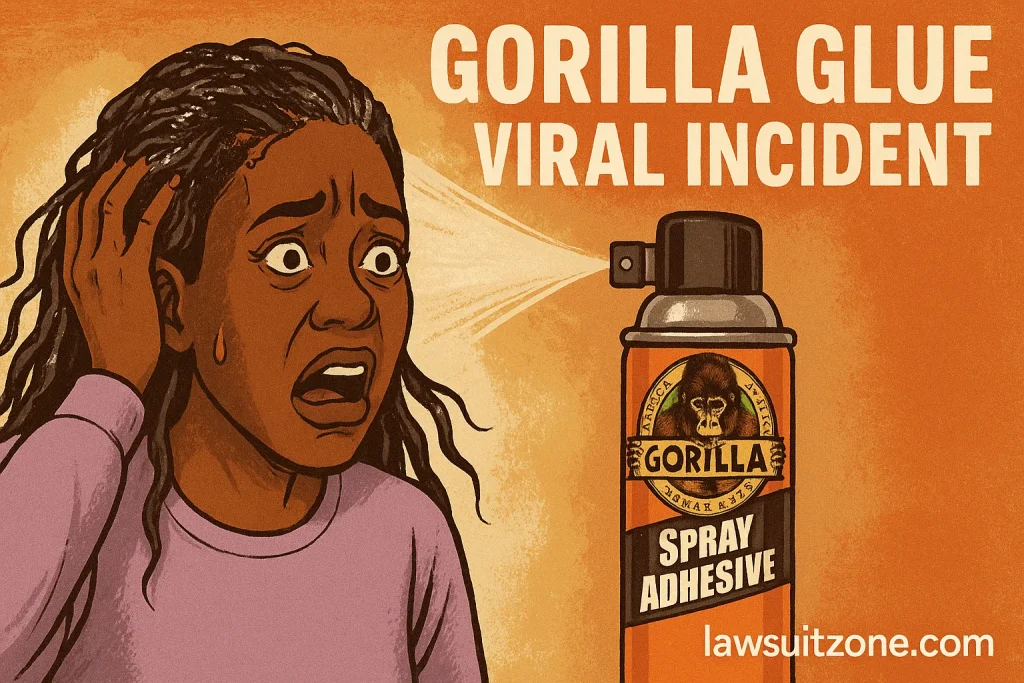
At the heart of the Gorilla Glue lawsuit was a tale that went viral like wildfire. One consumer, looking for a quick solution for her hair, used Gorilla Glue Spray Adhesive — a product meant for surfaces such as wood, plastic, and fabric.
The outcome was medical treatment, surgery, and a maelstrom of online opinion. The public instantly contested:
- Should the company be held responsible?
- Was the labeling sufficient?
- Or was it just an example of gross abuse?
This one account provided the basis for the subsequent Gorilla Glue lawsuit.
The Legal Claims
1. Failure to Warn
Critics contended that labels did not precisely caution against the manner of abuse that went viral.
2. Misleading Branding
Others claimed that the “household-friendly” branding may mislead consumers about proper uses.
3. Harm and Damages
The lawsuit of Gorilla Glue was also aiming to decide how much medical expenses, damages, and compensation should be allocated.
The Company’s Response
Gorilla Glue Company was swift in its response, claiming that labels were already equipped with explicit instructions and warnings. They underlined the fact that products are safe in case of intended use.
In a public release, they mentioned that Gorilla Glue “should never be used on hair, skin, or animals” and strengthened their opinion that the accident was an instance of misuse and not corporate negligence.
Courtroom Developments
The Gorilla Glue lawsuit progressed in several stages:
- Initial Filing – Official legal complaints presented.
- Public Reaction – Public and media debates influenced opinions.
- Settlement Speculations – Gossip abounded about possible financial settlement.
- Ongoing Debates – Legal professionals argued about whether this case would establish new precedents for consumer abuse.
Though most lawsuits disappear quietly, the Gorilla Glue case was not so lucky due to the viral nature of how it began.
Influence on Consumers
For millions of consumers, the lawsuit served as a wake-up call. Lessons learned:
- Labels are binding. They are not recommendations but instructions for safety.
- Abuse is dangerous. Not even reliable brands can stop injuries if products are used beyond intended purpose.
- Be informed of your rights. In instances of actual harm caused by inadequate labeling, consumers can pursue legal remedies.
Industry-wide Effects
The Gorilla Glue lawsuit wasn’t solely about a single firm. It had ripple effects on several industries:
- Label Overhauls – Competitors revised how clear their warnings must be.
- Consumer Education – More individuals started carefully reading adhesive and chemical product labels.
- Legal Turns – Attorneys referenced the case in debating the fine line between consumer abuse and corporate responsibility.
Lessons for Businesses
The suit against Gorilla Glue became a lesson:
- Be excessively explicit about warnings.
- Think about ways that products might be abused, even though improbable.
- Consciously convey dangers to prevent reputational harm.
Lessons for Consumers
On the consumer side, the take-home points are:
- Always use products precisely as directed.
- Don’t play around with industrial adhesives on skin or hair.
- Keep in mind that consumer protection legislation is there to protect you when businesses get it wrong.
Other High-Profile Cases
The Gorilla Glue case belongs to a tradition of consumer lawsuits, such as:
- McDonald’s Hot Coffee Case – Identified substandard warnings on temperature.
- Johnson & Johnson Baby Powder Lawsuits – Regarding health hazards associated with talc products.
- Energy Drink Lawsuits – For misbranding side effects.
All these examples show how lawsuits redefine standards for safety across industries.
Potential Outcomes for Gorilla Glue Company
Legal experts projected a couple of possible scenarios:
- Settlement Agreement – Silent resolution through monetary payment.
- Company Victory – Court rules in favor of Gorilla Glue, referencing adequate warnings.
- Policy Change Without Liability – Even without a loss, Gorilla Glue can alter labeling to prevent future conflicts.
Trusted Consumer Protection Resource
If you’d like to find out more about your rights regarding product labeling and safety, the Federal Trade Commission (FTC) provides consumer advice. Visit FTC Consumer Information.
FAQs
Conclusion
The Gorilla Glue lawsuit is more than a viral tale — it’s a case study in contemporary consumer culture. It illustrates how one event can trigger nationwide discussion regarding safety, corporate accountability, and the influence of labels.
For businesses, the suit emphasizes transparency and transparency of purpose. For consumers, it hammers home the value of following product instructions and respecting legal entitlements.
As technology and society keep changing, the Gorilla Glue case will be a reference point of how law, media, and consumer behavior meet in a most unimaginable manner.