Hair Relaxer Lawsuit: A Complete Legal Guide for Women Seeking Justice
Introduction
The hair relaxer lawsuit has become one of the most significant legal cases in women’s health. For decades, chemical straighteners were promoted as safe and essential for smooth, manageable hair. Millions of women, especially Black women and young girls, used these products regularly without knowing the risks.
Today, thousands diagnosed with uterine cancer, ovarian cancer, endometriosis, uterine fibroids, and infertility are coming forward. They believe long-term relaxer use contributed to their conditions. Lawsuits claim cosmetic companies failed to warn consumers about endocrine-disrupting chemicals in their products.
This guide explains the evidence behind the case, who qualifies, how compensation works, and the current legal status. Have you checked our detailed guide on hernia mesh lawsuit.
What the Hair Relaxer Lawsuit Is About
The lawsuit alleges that hair relaxers contain chemicals linked to severe reproductive health problems. Plaintiffs say manufacturers used hazardous substances without proper long-term testing or clear warnings.
Relaxers often contain phthalates, formaldehyde, parabens, DEHP, bisphenols, and synthetic estrogen-like compounds. These chemicals can be absorbed through the scalp, especially when burns or irritation occur. Over time, repeated exposure may disrupt hormones, damage reproductive tissues, or increase cancer risks.
Manufacturers promoted these products for decades despite scientific concerns.
How Hair Relaxers Can Affect the Body
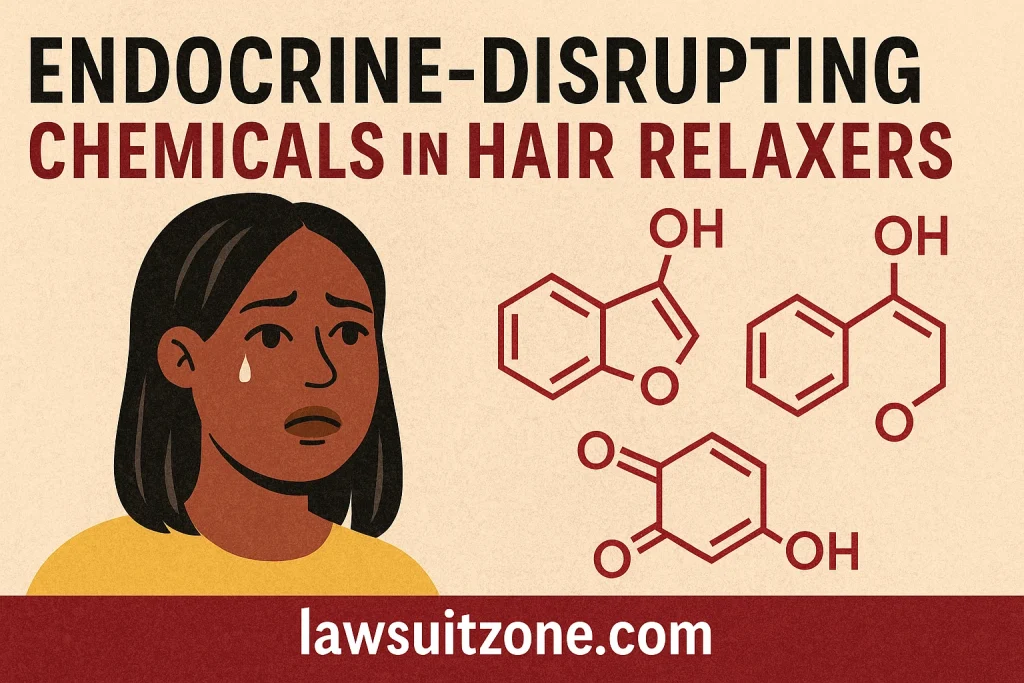
The main concern is hormonal disruption. Relaxers break down hair structure but may also enter the bloodstream when applied to the scalp.
Absorption increases with childhood use, frequent touch-ups, scalp burns, at-home use, and long-term application. Endocrine disruptors can mimic or block hormones. Years of exposure may raise the risk of reproductive disorders and cancer.
Scientific Research Supporting the Lawsuit
A major National Institutes of Health study found that women who often used chemical straighteners were more likely to develop uterine cancer. The study also linked relaxer use to ovarian cancer, endometriosis, and hormonal imbalance.
The NIH continues to publish research on chemical exposure and women’s health.
This research strongly supports plaintiffs’ claims.
Brands Frequently Named in the Hair Relaxer Lawsuit
Many major cosmetic companies are included, such as L’Oréal, SoftSheen-Carson, Dark & Lovely, Strength of Nature, Just For Me, ORS Olive Oil, Revlon, Motions, and African Pride. These brands promoted relaxers as safe for routine use, even for children.
Injuries Reported in the Hair Relaxer Lawsuit
Thousands of lawsuits claim long-term relaxer exposure caused serious medical conditions.
Uterine Cancer
Many women diagnosed between ages 25–45 had used relaxers since childhood.
Ovarian Cancer
Chemicals in relaxers may contribute to inflammation and hormone disruption.
Endometrial Cancer
Synthetic estrogen-mimicking ingredients may affect the uterine lining.
Uterine Fibroids
Many cases involve fibroids serious enough to require surgery or hysterectomy.
Endometriosis
Hormone-altering chemicals may contribute to abnormal tissue growth.
Infertility
Hormonal interference can damage reproductive pathways.
Hormonal Disorders
Some women report PCOS, irregular cycles, or severe imbalance.
Scalp Burns and Chemical Injuries
Burns increase chemical absorption and overall risk.
Why Women Are Filing the Hair Relaxer Lawsuit
Women allege manufacturers failed to warn them about the risks. Relaxers were marketed heavily to Black women, linking straightened hair with professionalism and acceptance.
Lawsuits state that companies misrepresented product safety, ignored early scientific evidence, and used toxic ingredients despite safer alternatives being possible.
Who Qualifies to File a Hair Relaxer Lawsuit?
You may qualify if you used relaxers for several years and were diagnosed with uterine cancer, ovarian cancer, endometrial cancer, fibroids requiring surgery, endometriosis, or infertility.
Families may file on behalf of deceased loved ones. You do not need receipts, photos, or salon records. Medical documentation and personal history are usually enough.
Evidence Used to Support These Claims
Lawyers gather medical records, cancer diagnosis history, treatment costs, product usage statements, imaging results, fertility evaluations, and work-related income loss. A clear timeline of relaxer use strengthens the case.
Legal Claims Involved in the Hair Relaxer Lawsuit
Legal theories include product defect, failure to warn, negligent misrepresentation, fraud, and wrongful death. These claims form the foundation of ongoing litigation.
How the Hair Relaxer Lawsuit Process Works
- Case Review – A lawyer examines your history and diagnosis.
- Filing the Lawsuit – A formal complaint is filed.
- Evidence Gathering – Both sides exchange documents and expert analysis.
- MDL Consolidation – Federal cases are handled under MDL No. 3060.
- Bellwether Trials – Test cases help determine settlement value.
- Settlement Negotiations – Many cases resolve here.
- Trial – Cases that don’t settle may go to trial.
Current Status of the Hair Relaxer Lawsuit: 2025 Update
More than 8,700 lawsuits are filed as of 2025. The litigation continues in MDL, with new scientific studies increasing support. Defendants face pressure to settle. Bellwether trials are expected soon. Experts anticipate major settlement terms after initial trial results.
Possible Compensation Amounts
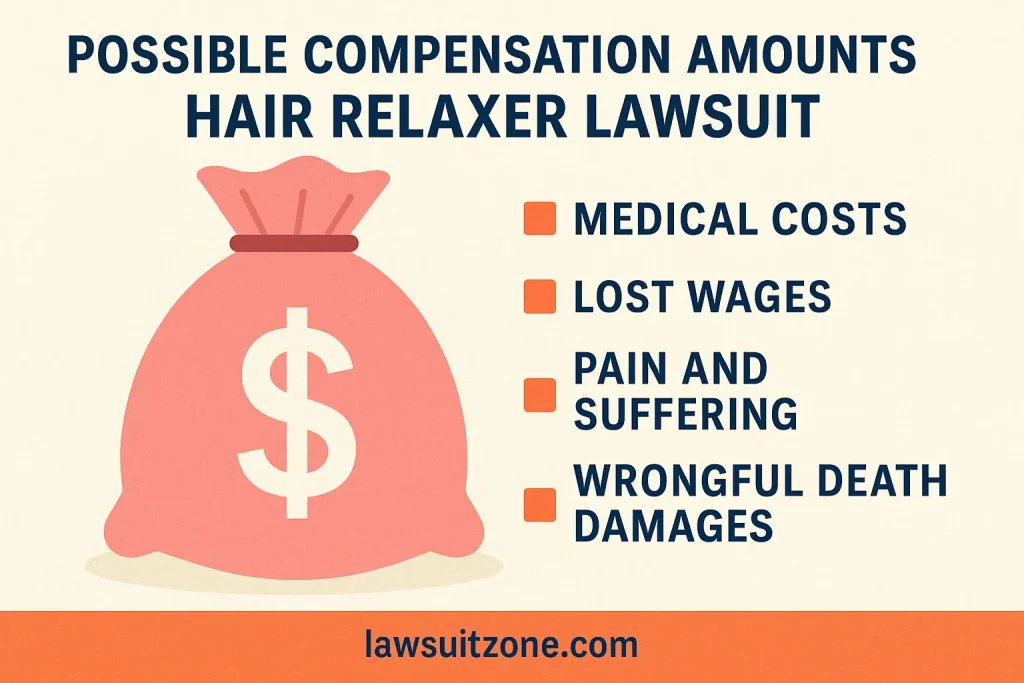
Compensation depends on diagnosis severity, medical needs, age, and long-term impact.
Women may receive compensation for medical costs, fertility procedures, lost wages, pain and suffering, loss of fertility, wrongful death, and in some cases punitive damages. Settlement amounts vary but can be significant.
The Public Health Importance of This Lawsuit
This case reveals broader issues in the beauty industry, including lack of regulation, insufficient long-term testing, racial targeting in marketing, and minimal transparency in labeling. Experts believe national safety reforms may follow.
How to Protect Yourself Moving Forward
Women should request medical records, document product usage, track symptoms, seek medical evaluations, consult a product liability lawyer, and avoid discussing case details publicly. Acting early protects eligibility and evidence.
Frequently Asked Questions (FAQs)
Final Thoughts
The hair relaxer lawsuit marks a major shift in awareness of women’s health and product safety. Millions trusted these products without knowing the risks. Now, women are seeking accountability and compensation for the harm they suffered.
If you believe relaxer use contributed to your diagnosis, gather your records and consult an attorney. Understanding your rights is the first step toward protecting your health and your future.