Innovasis Lawsuit Explained: Settlement, Facts, and Impact in 2025
Introduction
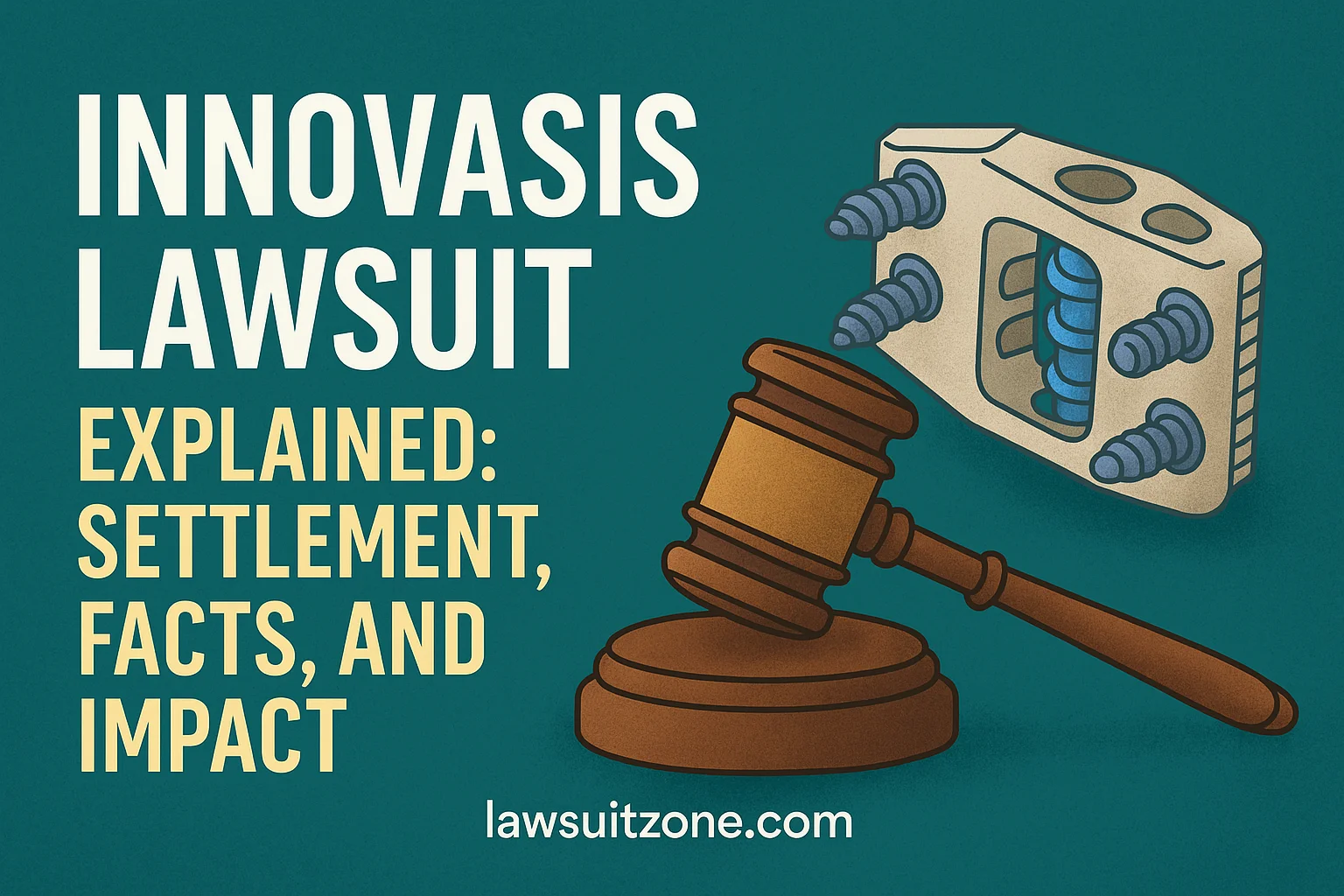
The Innovasis lawsuit has become one of the most talked-about cases in the medical-device industry. It reminds everyone that corporate ethics and compliance go hand in hand. A well-known spinal implant manufacturer, Innovasis Inc., was charged with serious allegations of offering improper payments and incentives to physicians. The case brings forth a thin line between legitimate consulting arrangements and illegal kickbacks —and what can happen when that line is crossed.
In this comprehensive guide, we will talk about how the lawsuit originated, what the allegations were, how it came to an end, and what lessons other businesses can learn from it. Have you checked our detailed guide on Vince McMahon Lawsuit.
What is the Innovasis Lawsuit?
The core of the Innovasis lawsuit was that it granted doctors financial benefits to induce them to promote or use the company’s spinal implant devices. Those alleged benefits ranged from consulting fees to perks like travel, among other compensations, which prosecutors said extended beyond fair-market value.
Despite maintaining its innocence, the company settled the case with a substantial monetary compensation plan, proving the government’s growing interest in transparency and accountability within the health sector.
The Innovasis lawsuit reflects how relationships involving medical-device companies and healthcare professionals are scrutinized closely—and how even perceived conflicts of interest can spark significant legal consequences, highlighting the importance of accurate bookkeeping for lawyers and proper financial record-keeping.
Background of the Company
Innovasis Inc. is a medical-device manufacturing company based in Utah that designs spinal implants and surgical solutions to restore spinal stability and movement. Founded by innovators in healthcare, the company swiftly became recognized for its advanced technology and ever-growing network of medical professionals.
But as the company grew, so did the intricacy of its financial dealings with doctors. Payments for consulting, research, and training programs would eventually become the focus of a years-long federal inquiry and ultimately give rise to the Innovasis case.
This case shows how medical companies must balance innovation with compliance and ethics at every stage of growth.
How the Innovasis Lawsuit Began
The Innovasis lawsuit began when regulators received reports of irregularities in the way the company compensated some surgeons. Investigators suspected that these payments might have influenced doctors’ medical decisions when choosing devices for patient surgeries.
It started by investigating one doctor, but soon found itself unearthing patterns of transactions that were both legally and ethically dubious. At the core of the question was whether these financial arrangements represented consulting fees or cloaked incentives to purchase.
Eventually, the matter became a full civil lawsuit, accusing the company of violating healthcare laws intended to protect patients and taxpayers.
The Main Allegations
Among the main allegations against Innovasis were the following:
1. Improper Financial Incentives
It was claimed that Innovasis paid physicians excessive consulting fees or other financial benefits that could be considered a reward for using the company’s medical devices.
2. Abuse of Consulting Arrangements
Some consulting contracts were reportedly established without deliverables, documentation, or measurable results; the suspicion being that they were created to cover kickbacks.
3. Violation of Healthcare Regulations
The allegations point to violations of federal laws that prohibit the offering of anything of value to influence medical decisions, especially those involving government-funded healthcare programs.
4. False Billing Concerns
Prosecutors argued that if such payments influenced doctors’ choices of devices, then claims submitted to government insurers could be considered “false claims,” even if the medical procedures themselves were valid.
5. Corporate Lack of Oversight
The lawsuit also noted how weak compliance systems and poor oversight can facilitate improper activities not being detected within large organizations.
Timeline of the Case
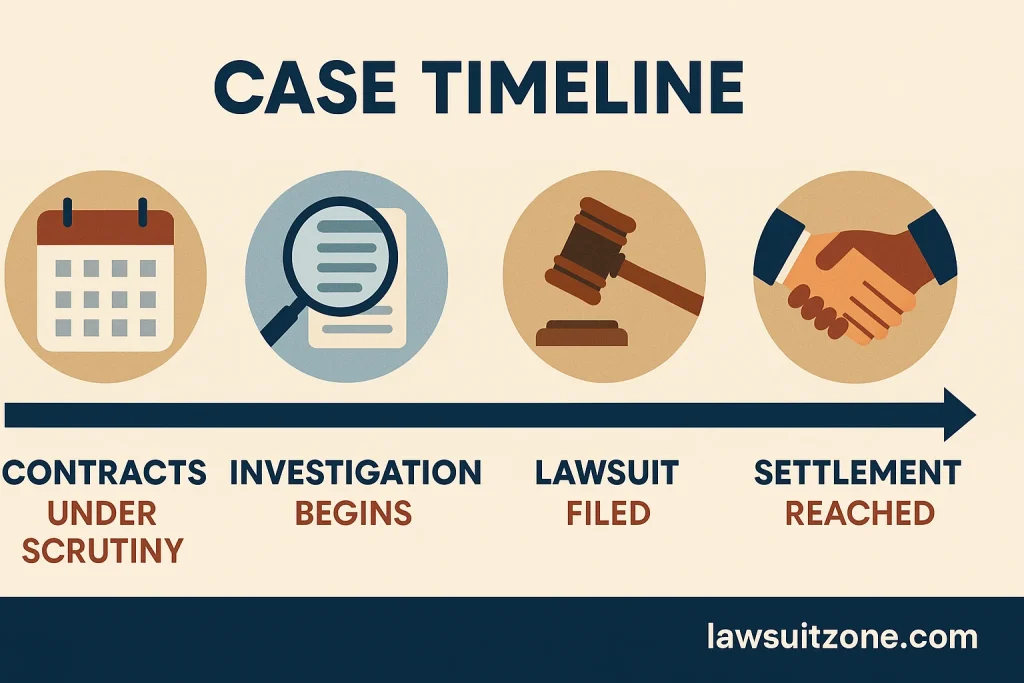
Here’s a simplified look at how the Innovasis lawsuit unfolded:
- 2014–2022: Financial arrangements and consulting contracts between Innovasis and some surgeons come under scrutiny.
- 2023: Regulators start investigating possible healthcare and anti-kickback law violations.
- Early 2024: The case becomes public when authorities file a civil lawsuit against Innovasis and company executives.
- Mid-2024: Innovasis reaches a financial settlement to resolve the allegations without admitting liability.
- 2025 and beyond: The company ramps up compliance practices and physician relationship policy restructuring, and makes further commitments to higher ethical standards.
The timeline shows just how long investigations can take—and thus just how critical it is to do early compliance checks to minimize years of legal exposure.
The Settlement and Its Implications
The Innovasis lawsuit concluded with a significant financial settlement between the company and federal authorities. Innovasis did not admit liability, but substantial monetary penalties were paid, along with consent to improve internal systems to comply with federal regulations.
The settlement sent a clear message throughout the medical-device industry: the government is ready to act against any practice that even appears to compromise the integrity of medical decision-making.
Beyond the monetary consequences, the lawsuit brought against it forced Innovasis to reevaluate its business model, becoming more open and strengthening its ethical framework.
The Legal Significance of the Case
The Innovasis lawsuit became a defining example of how healthcare compliance laws are enforced in the United States. It underlined the importance of the following principles:
Transparence of Financial Dealings
Every dollar that exchanges hands between medical companies and physicians should be justified, documented, and at fair market standards.
Separation of Medicine from Marketing
Medical decisions must be based only on the wellbeing of the patient, without influences from financial relationships.
Personal Accountability
Executives, not just corporations, can be held responsible for compliance failures or ethical breaches.
Preventive Compliance
The best defenses against potential violations are regular audits, training, and independent reviews.
The lawsuit underscored the lesson that even successful companies must put the goal of complying with the law on a par with innovation and profitability.
Broader Industry Impact
The Innovasis lawsuit had much farther-reaching implications than a single company. It fostered greater discussion generally of ethics, transparency, and business practices across the healthcare and medical-device ecosystem.
As a result, hospitals, physicians, and manufacturers all started reevaluating their relationships to make sure they were in compliance. It also spurred many companies to adopt tougher training programs of their own, improvements to internal reporting systems, and increased third-party monitoring.
It eventually reshaped the way businesses regard partnerships: encouraging integrity and accountability at all levels.
Lessons from the Innovasis Lawsuit
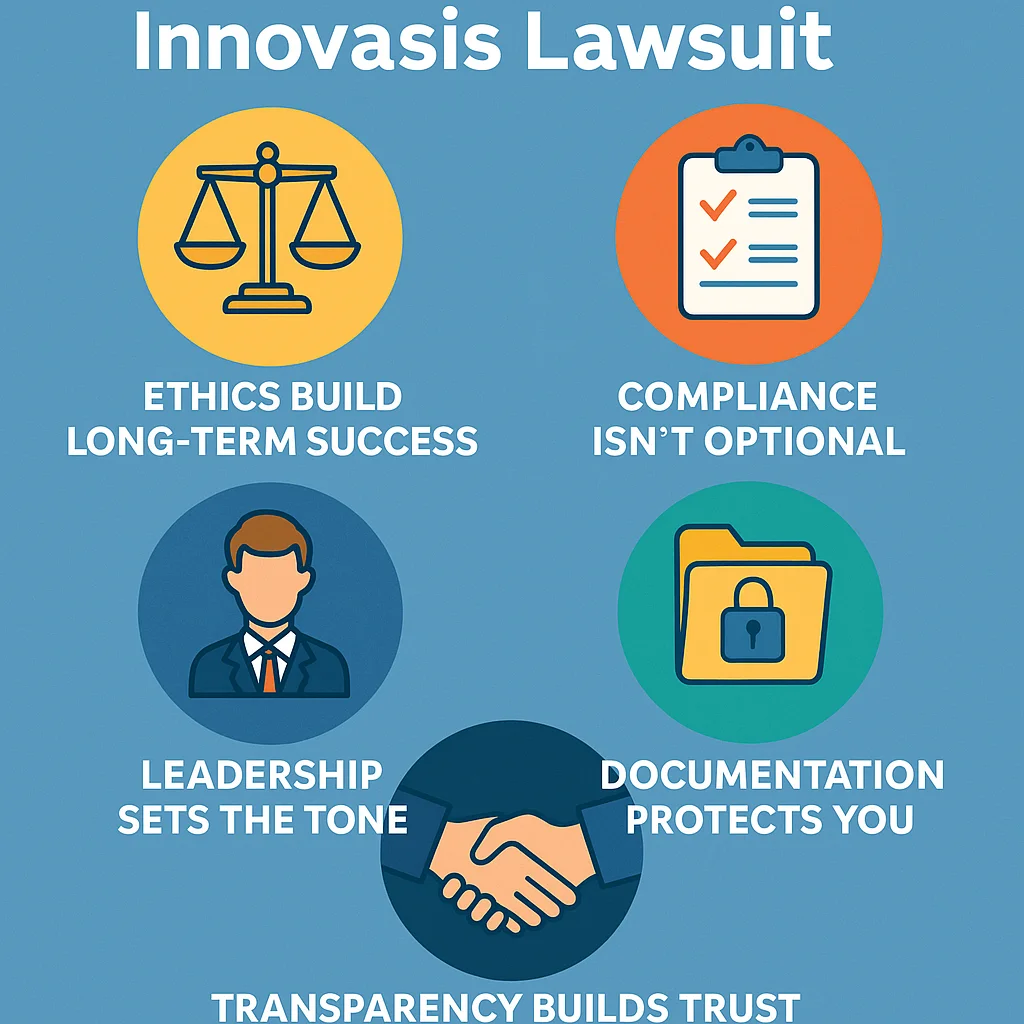
1. Ethics Build Long-Term Success
Companies prioritizing ethics consequently build stronger reputations and longer-lasting partnerships. Short-term gains from a questionable deal rarely outweigh the long-term risks.
2. Compliance Isn’t Optional
Regulatory compliance needs to be part of corporate culture. Ignorance of the law is never a defense, especially in an industry as sensitive as healthcare.
3. Leadership Sets the Tone
Executives and managers must be examples. When leadership demonstrates the importance of ethics, employees do too.
4. Documentation Protects You
All transactions, payments, and arrangements with health care professionals must be documented properly and justified on a business basis.
5. Transparency Builds Trust
Such transparency between companies, doctors, and patients nurtures confidence in the healthcare system and decreases the chances of lawsuits or investigations.
The Role of Whistleblowers
A very important element in these cases, similar to that of the Innovasis lawsuit, is the whistleblower. Insiders at a company can report potential misconduct under legal protection and, if the government recovers money, sometimes share in settlement proceeds.
Whistleblowers serve as a counterbalance to corporate malfeasance, ensuring that improper or illegal activities do not go undetected. The case of Innovasis demonstrates how internal reporting and accountability mechanisms can prevent legal crises of much larger dimensions.
How Companies Can Avoid Similar Problems
The following are some of the key steps that will help businesses operating in a regulated industry to avoid compliance issues:
Establish Strong Oversight
Routine internal audits and scrutiny of financial relationships serve to identify issues in their infancy.
Train Employees and Partners
Training will be essential so that all players understand the boundaries of acceptable behavior.
Establish Clear Reporting Channels
Employees must be allowed to report concerns without fear of retaliation.
Periodic Risk Assessments
Scrutinize both legal and reputational risks to forestall escalation of the same.
Engage External Advisors
Ensure ongoing adherence to regulations through consultations with legal and compliance experts.
Taking these steps shows an active interest in ethics—a factor that most regulators take into consideration when there are potential violations.
High-Authority Insight
For business leaders looking to enhance compliance, U.S. Department of Health & Human Services Office of Inspector General’s Compliance Program Guidance offers practical frameworks for developing and maintaining ethical business practices.
This guidance helps organizations design policies to prevent kickbacks, fraud, and conflicts of interest, protecting both the company and the patients it serves.
Frequently Asked Questions (FAQs)
Final Thoughts
The Innovasis lawsuit is a case study in how quickly reputations can shift when compliance is neglected. It acts as a reminder that innovation without integrity is not sustainable. It’s a case that, for healthcare companies, executives, and entrepreneurs alike, amounts to more than a legal story: a leadership lesson. Ethics, accountability, and transparency are not just good to do; they are the cornerstones for trust and long-term success.
Disclaimer: This is not a legal article, but rather an educational/informational one. It does not constitute legal advice nor establish attorney-client relationship. Always consult a qualified attorney in specific legal matters.