Ginger Ale Lawsuit: Breakdown for Consumers
Ginger Ale Lawsuit Overview
To those who have seen the news about July 2023 Ginger Ale lawsuit you may ask “What is this about?” and “Will it affect my favorite fizzy drink?” Ginger Ale has been sold for the last decade as sodas made out of real ginger and as a refreshing drink.
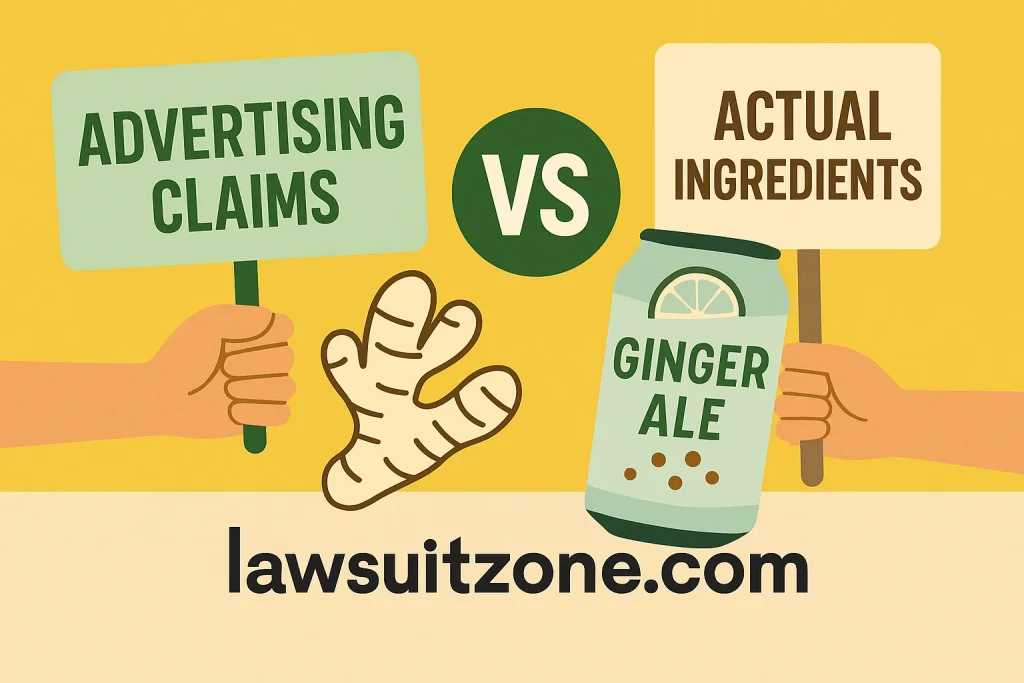
Lawsuits and questioning of advertisements on Ginger Ale have brought about the claim that it provides the consumer with ginger-ale sodas made with no ginger. The Ginger Ale lawsuit calls for more transparency in labeling food and beverages, demanding honesty about ingredients and production methods.
It raises critical questions for consumers: Are the ingredients truly what you pay for? Are the “natural” claims valid? What are your rights when products are mislabeled?
This guide breaks down all the important parts of the case its background, how to file a claim, compensation details, and your rights as a consumer. Have you checked our detailed guide on Oracle America Lawsuit
What’s the Point of the Ginger Ale Lawsuit?
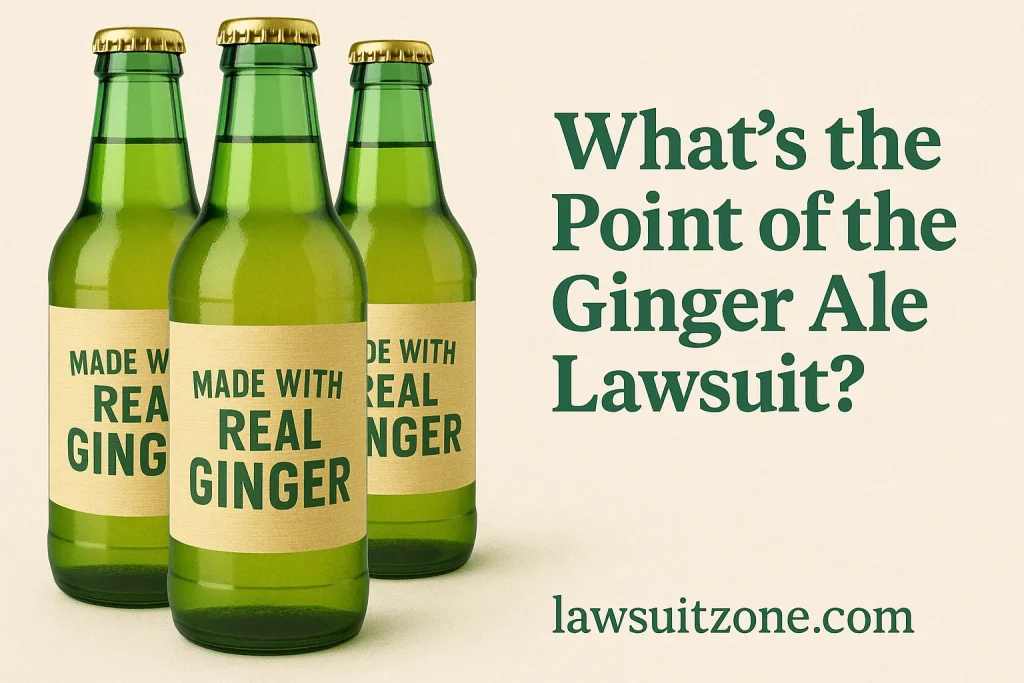
The Ginger Ale lawsuit involves people suing beverage companies for false advertising and misleading labels. Plaintiffs argue that popular ginger ale brands were advertised as “made with real ginger” or “naturally flavored,” but in reality, the beverages contained minimal or artificial flavoring instead.
These drinks were never claimed to be unsafe — only that they weren’t as “natural” as the companies suggested. This lawsuit became the first of its kind to challenge the gap between marketing language and product truth — and it could have serious consequences for the industry.
Why is Ginger Ale So Popular?
For decades, ginger ale has been seen as a healing or soothing drink — often used to calm nausea or as a gentler soda alternative. Brands have built on this reputation by emphasizing the word “ginger,” which consumers associate with natural remedies and wellness.
However, investigations revealed that some companies used synthetic flavoring compounds to mimic ginger taste instead of actual ginger extract. This discovery frustrated consumers who felt deceived by “made from real ginger” labels that implied genuine ingredients.
As awareness grew, more lawsuits were filed, pushing beverage companies to explain their labeling practices and defend their compliance with truth-in-advertising laws.
Main Allegations in the Ginger Ale Lawsuit
The Ginger Ale lawsuit raises several major concerns:
1. Misleading Amounts of Ginger
Consumers allege that the advertisements gave the impression that beverages contained real ginger in meaningful quantities, while in fact, only trace amounts were used.
2. Use of Substitutes for Ginger
Plaintiffs claim companies replaced real ginger with other flavoring agents such as citric acid or chemical substitutes to mimic the taste without using natural ginger extract.
3. Violation of Consumer Protection Laws
The lawsuits argue that inaccurate ingredient descriptions may have violated state consumer protection laws designed to prevent deceptive marketing.
4. Financial Harm to Customers
Many consumers bought these beverages believing they were healthier or more natural options. Because this impression was false, they effectively overpaid — forming the basis of their legal claims.
Companies Involved in the Lawsuit
While several beverage manufacturers have faced scrutiny, the most notable lawsuits involved major corporations owning leading ginger ale brands.
The controversy stems from widespread advertising campaigns portraying these drinks as wholesome, natural, and beneficial. Although each lawsuit varies slightly, many cases have resulted in settlements, while others remain active or under appeal.
Eligibility
Not every ginger ale drinker qualifies for compensation. However, you may be eligible to file a claim if:
- You purchased specific ginger ale brands during the designated time periods.
- You bought the product for personal use, not resale.
- You relied on the product’s “made with real ginger” or “natural” marketing claims.
- You submitted your claim before the official deadline.
Most settlements don’t require receipts, though providing proof of purchase may increase your payout.
How to File a Claim for the Ginger Ale Lawsuit
Filing a claim is straightforward if you follow each step carefully:
Step 1: Verify Your Eligibility
Check whether your purchases match the eligible products and dates mentioned in the official class action notice.
Step 2: Gather Supporting Evidence
Keep any proof of purchase such as receipts, loyalty card data, or bank statements. These documents can help strengthen your claim.
Step 3: Visit the Official Settlement Website
Most settlements have a dedicated website where you can fill out and submit your claim. The site includes all necessary instructions, deadlines, and documentation requirements.
Step 4: Complete the Claim Form
Fill out your information accurately — including name, contact details, number of purchases, and acknowledgment of eligibility. Double-check for accuracy before submission.
Step 5: Track and Receive Payment
Once reviewed and approved, your payment will typically arrive via check or direct deposit once the settlement fund becomes available.
Estimated Compensation Amounts
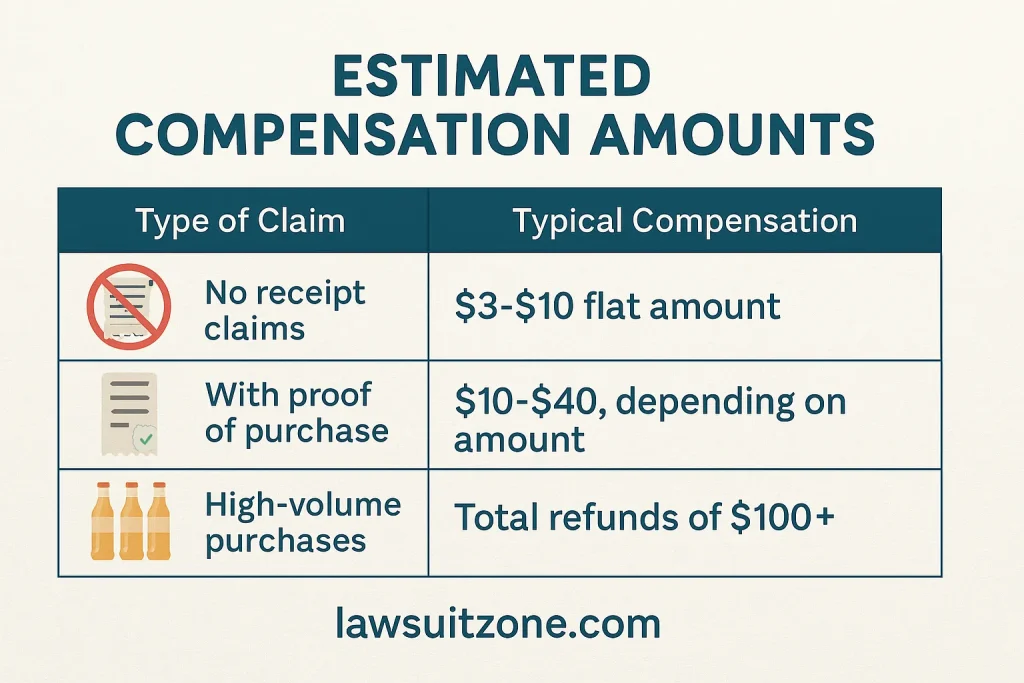
Settlement amounts vary, but here’s what similar beverage advertising lawsuits have paid in the past:
| Type of Claim | Typical Compensation |
|---|---|
| No receipt claims | $3–$10 (flat rate) |
| With proof of purchase | $10–$40 (depending on quantity) |
| High-volume purchases | Up to $100+ in total refunds |
In addition to monetary compensation, companies may be required to change their labeling or reformulate their products to ensure consumer transparency.
Why the Ginger Ale Lawsuit Matters
The Ginger Ale lawsuit represents more than a single product dispute — it’s part of a broader push for truth in advertising. Consumers want transparency, and brands are learning that vague or misleading marketing claims have real consequences.
For Consumers
- It reinforces your right to accurate, honest product information.
- It proves that small claims can lead to big industry changes.
- It shows that “natural” isn’t always as genuine as it sounds.
For Companies
- This case highlights the importance of ingredient transparency.
- Failure to disclose product details can lead to lawsuits and reputational damage.
- Marketing must be backed by scientific accuracy and ethical practices.
Wider Legal and Social Considerations
The Ginger Ale lawsuit has ignited global discussions about food labeling ethics. Similar lawsuits have targeted “natural” teas, “real fruit” snacks, and other supposedly wholesome foods.
It also impacts how companies handle corporate responsibility and sustainability. When labeling is deceptive, consumers lose the ability to make informed choices. This lawsuit may push businesses toward higher ethical standards in advertising and production.
Takeaways for Marketers and Businesses
Trust is Earned Through Honesty
Being open about ingredients and manufacturing builds credibility and customer loyalty.
Make No Mistake About the Law
Even a small exaggeration in marketing can result in class action litigation.
Don’t Underestimate Consumers
Modern buyers research everything. False claims spread fast and lead to reputational harm.
Prioritize Ethical Marketing
Authenticity beats catchy slogans. The best way to avoid lawsuits is by telling the truth.
Lies People Tell About the Ginger Ale Lawsuit
Myth 1: The drinks were dangerous.
Fact: The lawsuit concerns misleading advertising, not safety issues. Ginger ale remains safe to drink.
Myth 2: You must have a receipt to claim compensation.
Fact: Many settlements allow claims without receipts, though payouts may be smaller.
Myth 3: These lawsuits are pointless.
Fact: Even small victories force companies to improve labeling and transparency.
Myth 4: Filing a claim is hard.
Fact: Most claim forms are quick, online, and require only basic information.
Myth 5: Only U.S. residents can claim.
Fact: While this case applies to U.S. consumers, many countries have similar legal processes for deceptive marketing.
Frequently Asked Questions (FAQs)
Final Thoughts
The Ginger Ale lawsuit is a defining case in the era of consumer awareness. It proves that honesty and transparency aren’t optional — they’re essential.
For consumers, it’s a reminder to read labels critically and demand accountability. For companies, it’s a warning that misleading claims can have lasting legal and reputational consequences.
As the case continues, one thing is certain: the marketing world is changing. The future belongs to clarity, truth, and ethical business — and the Ginger Ale lawsuit is helping pave the way.
Disclaimer: This article does not provide legal advice. For guidance on your specific situation, consult a qualified attorney.