Boka Toothpaste Lawsuit: Complete 2025 Legal Guide
Introduction: Why the Boka Toothpaste Lawsuit Matters
The Boka Toothpaste lawsuit isn’t about one product it’s about a greater question: can natural products really keep up with conventional oral care science? Over the past few years, health-conscious consumers have flocked to fluoride-free products, believing that “clean” labels are safer. But lawsuits against Boka force those assumptions into question, alleging deceptive claims against the company and casting skepticism on its flagship ingredient nano-hydroxyapatite (n-Ha).
This report cuts through the lawsuit, exploring the claims, Boka’s defense, and the implications for consumers and the billion-dollar oral care market. Have you checked our detailed guide on Rivian Class Action Lawsuit.
The Rise of Boka: A Natural Toothpaste Revolution
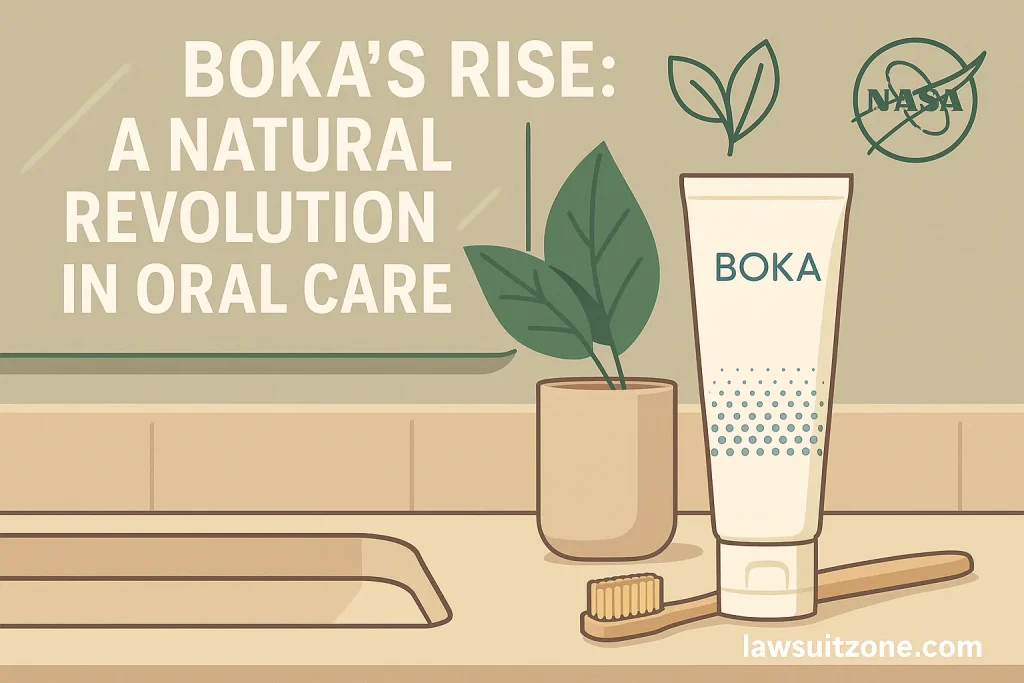
When Boka started out, it wasn’t simply offering toothpaste it was peddling a way of life.
- 2015: Launched with the aim to replace fluoride with a “biocompatible” mineral substitute.
- USP: Nano-hydroxyapatite (n-Ha), a calcium compound initially employed by NASA to assist astronauts in combating enamel loss while in space.
- Brand Identity: Sleek packaging, minimalist looks, and assurances of science-supported wellness.
- Target Market: Millennials, Gen Z, and parents looking for fluoride-free oral hygiene for children.
Boka’s message was straightforward: “Better oral health without the risks of fluoride.” This labeling appealed at a point when consumers were suspicious of chemicals in their products.
Why Toothpaste Companies Get Sued
Oral hygiene products sit in a problematic category they are cosmetics, yet health-oriented.
That is to say:
- If they’re promoting disease treatment (such as cavities), they require FDA-grade evidence.
- Too-vague or misleading claims prompt consumer lawsuits.
Typical lawsuit triggers:
- “Clinically proven” with no peer-reviewed studies.
- Misleading about safety versus fluoride.
- Underplaying side effects such as sensitivity or failure to work.
- Purporting to be “dentist approved” without broad dental agreement.
The Boka Toothpaste lawsuit follows this familiar path of litigation.
Timeline of the Boka Toothpaste Litigation
- 2015–2019: Explosive growth driven by online hype and influencers.
- 2020: Large retail expansion to Target, Amazon, and health food stores.
- 2022: Complaints on consumer boards regarding sensitivity and cavity issues.
- 2023: Early legal complaints accusing misrepresentation of effectiveness.
- 2024: Lawsuit officially filed questioning clinical assertions and advertising honesty.
- 2025: Court hearings underway, brand reputation in the balance.
Allegations at the Center of the Lawsuit
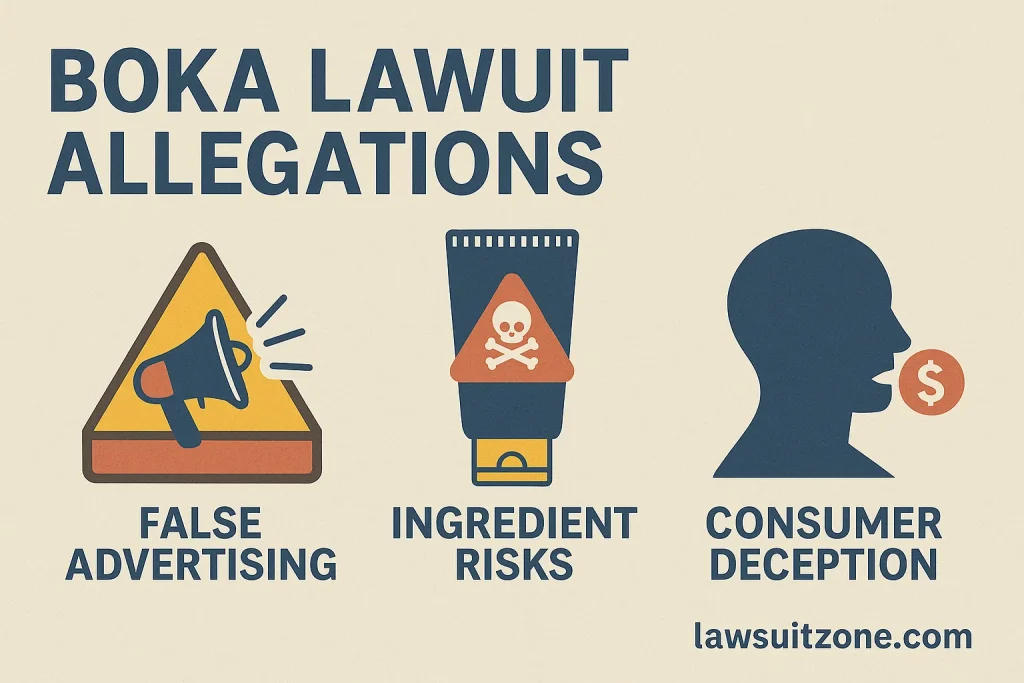
The Boka Toothpaste case contains a number of sharp charges:
- False marketing: “Superior cavity protection” claims that are not supported by FDA-level research.
- Misleading comparisons: Implying n-Ha is as effective or superior to fluoride with no long-term evidence.
- Consumer protection abuses: Including “clinically proven” in advertising where clinical proof is scant.
- Deceptive endorsements: Selling terminology such as “dentist approved” without universal endorsement.
For customers, it’s an unpleasant question: Did I pay more for a guarantee that wasn’t completely honest?
Boka’s Response: The Brand’s Defense
Boka resists the suit. Their key points:
- International precedent: n-Ha is extensively used in Japan and Europe, where toothpaste without fluoride is standard.
- Scientific backing: Independent research indicates nano-hydroxyapatite has the ability to remineralize enamel and minimize sensitivity.
- Transparency: Their label is transparent customers know they’re purchasing.
- Commitment: They position themselves as disruptors bucking an industry ruled by fluoride.
In public communications, Boka positions the lawsuit as one of the pushback natural brands receive from legacy oral care giants.
Consumer Stories: Mixed Reactions

Consumer feedback presents a nuanced narrative:
Positive feedback:
- “Finally, a toothpaste my kids love without fluoride!”
- “Gentle on my gums, tastes fresh, and no harsh chemicals.”
Negative feedback:
- “Developed cavities after switching from fluoride.”
- “Didn’t whiten as promised.”
- “Felt deceived by ‘clinically proven’ statements.”
These quotes illustrate the reason the case has validity trust among consumers is broken.
The Larger Argument: Fluoride vs. Hydroxyapatite
Central to this litigation is a scientific argument:
- Fluoride: Years of studies confirming cavity prevention, but contentious due to fluorosis and toxicity concerns.
- Nano-hydroxyapatite: Potential, biocompatible, and safe for children, but without decades of U.S.-based clinical tests.
Dentists are still in disagreement some support n-Ha as the future, others warn against too hasty abandonment of fluoride.
The Legal Process in Motion
The Boka Toothpaste case is in its early stages. Here’s what transpires next:
- Discovery Phase: Each side introduces studies, expert opinions, and advertising materials.
- Class Action Certification: The court decides whether all Boka purchasers can be part of the suit.
- Settlement Talks: Most cases settle, with corporations offering refunds or new marketing.
- Trial: If no resolution, evidence is presented to a jury or judge.
- Potential Appeals: Results can be appealed, keeping the case ongoing for years.
Effect on Consumers and the Oral Care Market
This case is not about one brand it’s a harbinger of change for the whole market:
- Greater transparency: Brands will have to have clearer disclaimers regarding ingredient benefits.
- Consumer awareness: Shoppers will require scientific evidence, not influencer verification.
- Market shake-up: Lawsuits can delay natural brands but also spur innovation.
- Trust gap: Shoppers can revert to mass brands if small ones trip up in court.
Lessons for Consumers: How to Protect Yourself
- Seek peer-reviewed studies when assessing product claims.
- Know regulations: Toothpaste is treated as a cosmetic, not a drug, unless it carries disease-related claims.
- Be dubious of “buzzwords” such as “clinically proven” without associated studies.
- Look for lawsuit updates—you might be entitled to a payoff.
Similar Cases in the Oral Care Market
The Boka lawsuit follows other high-profile cases:
- Tom’s of Maine: Sued over “all-natural” claims.
- Colgate: Whitening claims lawsuits.
- Sensodyne: Accused of exaggerating sensitivity relief.
Clearly, the oral care aisle has turned into a legal battlefield.
Possible Outcomes of the Boka Toothpaste Lawsuit
- Dismissal: If court finds allegations unsubstantiated.
- Settlement: Refunds, marketing adjustments, or partial payback.
- Trial Verdict: Possible damages if Boka loses.
- Industry Precedent: Stricter control over fluoride-free marketing claims.
The Future of Natural Oral Care
Despite Boka’s potential setbacks, the health and wellness movement isn’t slowing down. Customers demand fluoride-free, clean-label, sustainable products. This lawsuit could actually accelerate the industry toward more robust research and innovation.
Trusted Resource
For learning about toothpaste regulations and consumer protection, check out the U.S. Food and Drug Administration (FDA) FDA Cosmetics & Oral Care Regulations.
FAQs
Final Thoughts
The Boka Toothpaste lawsuit isn’t just about one company—it’s about how natural wellness brands balance marketing, science, and consumer trust. The outcome could reshape not only Boka’s future but the credibility of the entire fluoride-free oral care movement.
For now, consumers should stay informed, weigh evidence carefully, and remember that in health and wellness—science should always speak louder than marketing.