CarGuard Lawsuit: Complete 2025 Guide to Allegations, Settlement & Legal Impact
Introduction
The CarGuard lawsuit has become the most talked-about case in 2025 regarding telemarketing practices, consumers’ rights, and corporate responsibility. What has actually stirred up this controversy is the accusation against CarGuard Administration of running deceptive robocalls and misleading marketing for their extended vehicle service contracts.
What started as scattered consumer complaints quickly evolved into a full-scale class-action lawsuit that posed questions about data privacy, marketing ethics, and the line between aggressive sales and illegal solicitation. This article covers the case in detail, from its background to ongoing implications and lessons for businesses and consumers alike. Have you checked our detailed guide on Rowdy Oxford Lawsuit.
What Is CarGuard Administration?
CarGuard Administration, commonly known as CarGuard, is a Kansas-based company that offers vehicle service contracts, more popularly known as extended warranties. These plans are meant to safeguard vehicle owners against unexpected repair costs once the manufacturer’s warranty expires.
While the company itself doesn’t always contact customers directly, it works with third-party marketing firms to sell its products through phone campaigns, online leads, and partner dealerships. And that is precisely where the legal trouble began.
Origins of the CarGuard Lawsuit
The CarGuard lawsuit resulted from consumer reports of unsolicited telephonic communications regarding “expiring car warranties.” Many of these calls were reportedly automated in their use of a prerecorded voice and an autodialing system.
The customers pointed out that they had never given consent to contact them, and even when some requested to be removed from the company’s calling list, the calls did not stop. These complaints quickly found consumer advocates and regulatory bodies, thus setting up legal action under the TCPA.
The complaint alleges that CarGuard, or its marketers with whom it contracted, called consumers without prior consent and despite being placed on the National Do-Not-Call Registry, in violation of the TCPA.
The Legal Allegations Explained
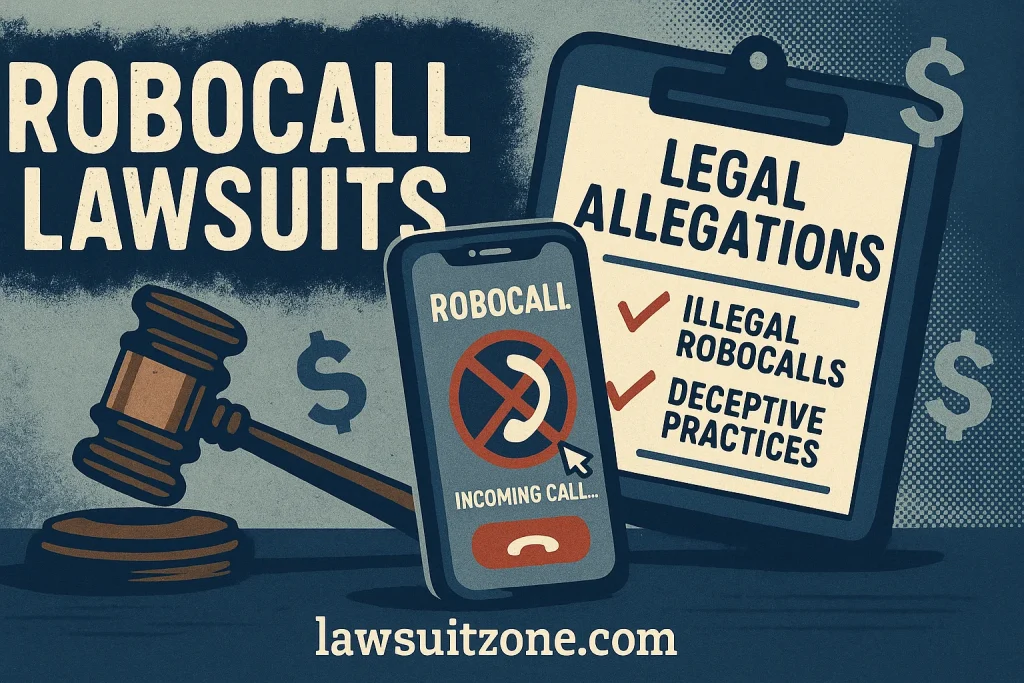
1. Illegal Robocalling
The core of the CarGuard lawsuit entails illegal automated calls. Businesses are not allowed to make calls with automatic dialing systems or prerecorded messages without prior written consent, according to the TCPA.
The plaintiffs said that the CarGuard’s telemarketing affiliates made thousands of such calls nationally, leading to widespread annoyance and violation of privacy.
2. Deceptive Marketing Practices
Beyond just the robocalls, the content of those calls was also misleading, consumers claim. Sales representatives told consumers that they were calling on behalf of automobile manufacturers or an official warranty provider, thus misleading people into believing their offer is a direct extension of their current coverage.
3. Breach of Consumer Trust
Some customers have complained of being charged for extended warranties that didn’t cover what was promised, while others have claimed they weren’t able to cancel or get refunds. That added another layer of potential liability for CarGuard and its partners: breach of consumer trust, false advertising.
4. Failure to Supervise Third-Party Marketers
The plaintiffs claim that even though CarGuard did not make the calls, it is responsible for the actions of third-party vendors. According to the TCPA, a business can be found liable if it benefits from illegal telemarketing conducted on its behalf.
Timeline of Events
| Year | Event |
|---|---|
| 2022 | Consumers start reporting unsolicited “extended warranty” robocalls. |
| Early 2023 | Class-action lawsuit filed alleging TCPA and deceptive-marketing violations. |
| Late 2023 | Federal court consolidates cases for pretrial proceedings. |
| 2024 | CarGuard denies wrongdoing but begins settlement discussions. |
| 2025 | Mediation ongoing; case continues to impact telemarketing and compliance laws. |
CarGuard’s Response
CarGuard Administration has denied any wrongdoing, but said it always has worked to comply with federal and state telemarketing laws. The company reiterated that any improper communications may have been the fault of independent marketing firms, not itself.
In public statements, the company declares itself to have put in place stricter compliance protocols through partner audits, consent verification systems, and improved customer-service channels.
However, these measures have not solved the debate on corporate responsibility and regulation of marketing outsourcing.
Legal Framework: Understanding the TCPA
The key law in telemarketing in the United States is the Telephone Consumer Protection Act (TCPA), which restricts companies from automatically calling, texting, or playing prerecorded messages to consumers without prior consent.
TCPA violations can subject violators to damages that range from $500 to $1,500 per call or text in violation, based on whether the conduct was negligent or willful.
The suit against CarGuard brings the TCPA into renewed focus, reminding businesses that the need for consent, transparency, and documentation in communications with consumers is non-negotiable.
Impact on Consumers
1. Privacy Protection
For consumers, this lawsuit makes it clear: privacy rights matter. To be able to control who can contact you and when is the very core of personal data protection.
2. Financial Relief to Victims
If there is a settlement, affected consumers could get compensated for each unauthorized call, and that could add up to hundreds or even thousands of dollars depending on the extent of the violations.
3. Increased Awareness
The lawsuit has also made many consumers more aware of how to opt out of unwanted calls, register for the Do-Not-Call Registry, and report potential violations to the FCC and the FTC.
Implications for Business
1. Compliance Is Key
CarGuard’s lawsuit stands as a strong reminder for companies in telemarketing or sales that compliance with communication laws is a must. Businesses must obtain express consent before contacting potential customers and keep detailed records of that consent.
2. Vendor Oversight
Even outsourcing marketing operations does not negate the requirement to make sure third-party vendors uphold legal and ethical standards. Under the TCPA, ignorance of wrongdoing is not an affirmative defense.
3. Brand Reputation
Even settled legal disputes can result in the loss of brand credibility. Consumers today share information over the internet, and negative publicity spreads like wildfire.
4. Financial Consequences
The cost of non-compliance can be more than just court fines. It may also include settlements, legal fees, and loss of future business relationships.
The Human Element: Stories Behind the Case
Many of the plaintiffs in the CarGuard lawsuit described themselves as ordinary people who were harassed and misled into a series of unwanted calls. Some reported having received numerous, sometimes several, calls per day. Others claimed they were misled into purchasing warranty plans through false pretenses.
These experiences show that legal cases are not about laws themselves but about the right to privacy, peace, and transparency in consumer transactions.
Industry-Wide Ripple Effects
This case has encouraged a number of other warranty providers and telemarketing companies to review their contact strategies. Many are now:
- Using double-opt-in consent mechanisms.
- Keeping timestamped proof of permissions.
- Using compliance monitoring software.
- Training employees in the ethical standards of marketing.
Ironically, the CarGuard lawsuit has helped to shape an even more compliant and consumer-friendly telemarketing environment.
The Role of Technology in Legal Compliance
Technology plays a double-edged role in this story. On one hand, it has enabled companies to reach millions of potential customers instantly. On the other, it has created new avenues for legal risk.
Understanding digital compliance is key, with AI-powered dialers, predictive call systems, and voice bots now common. Today, companies are investing heavily in tracking consent, analyzing call patterns, and monitoring compliance in real time.
Lessons for Modern Businesses
The CarGuard lawsuit contains valuable lessons to be derived, extending beyond the automotive industry.
Transparency Builds Trust
Consumers appreciate transparency. Deceptive or highly aggressive marketing may yield short-term sales, but it undermines long-term trust.
Documentation Is Protection
Always document consent and disclosures. In litigation, documented proof is often the determining factor.
Educate Your Team
After all, compliance should be a company-wide culture, not something confined to the legal department.
Respect the Consumer
The modern marketplace is about mutual respect. Calling without permission is not only bad etiquette—it’s bad business.
The Broader Ethical Perspective
Beyond legal liability, the CarGuard lawsuit also raises ethical concerns. Should businesses outsource their sales practices if they cannot control them? Should the onus be on the customer to opt out, or should it be up to the businesses to ensure proper consent before contact?
These ethical reflections push industries toward greater responsibility and more transparent communication.
How Consumers Can Protect Themselves
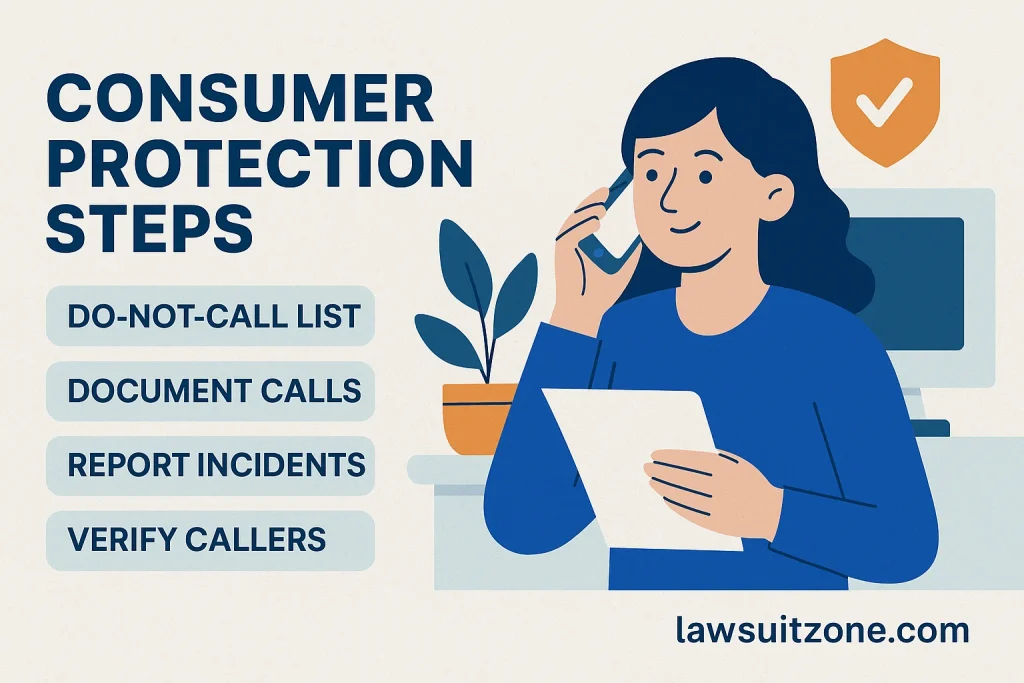
If you think that you are getting illegal or deceptive telemarketing calls, here’s what you can do:
- Register on the National Do-Not-Call List to block most sales calls.
- Document incoming calls — note numbers, times, and any recorded messages.
- Report the incident to the FCC or FTC.
- Avoid disclosing personal or financial information over the phone unless you are able to verify the caller’s identity.
- Seek legal advice if you suspect your rights under the TCPA have been violated.
The Road to Settlement
As of 2025, the lawsuit against CarGuard is still in mediation, but sources say settlement discussions are ongoing. If a settlement happened, it would likely include:
- Cash compensation to verified claimants.
- Compulsory changes to CarGuard’s marketing and compliance systems.
- Independent audits to monitor telemarketing practices.
- Clearer consumer-protection clauses in partnership agreements.
Such results would reflect a growing legal trend—using settlements not only for compensation but as catalysts for reform.
Potential Future Impact
The outcome of the CarGuard lawsuit will probably have an impact on how lawmakers and regulators develop future policies. Some proposed reforms include:
- Stricter sharing of data among marketing firms.
- Higher penalties for repeated TCPA violations.
- Mandatory certification of companies that engage in major telemarketing campaigns.
These changes, if brought about, would usher in a new era of accountability in customer outreach.
Key Takeaways
The CarGuard lawsuit constitutes tension between marketing efficiency and consumer privacy.
It demonstrates the significance of written consent and proper supervision in telemarketing.
Even large or reputable companies may suffer serious consequences for actions taken by third-party vendors.
Consumer awareness and technology create a new age of accountability.
Frequently Asked Questions (FAQs)
Conclusion
The CarGuard lawsuit is more than a courtroom dispute; it’s a wake-up call to the business world that compliance, transparency, and respect for consumer privacy are not optional.
To consumers, it is a story of empowerment: a realization that each unwanted call and misleading pitch can be challenged under the law.
It serves as a jarring reminder to companies that every call dialed and every ad placed has consequences. The CarGuard case will continue to form the way brands approach communication, consent, and consumer trust well into 2025.
The case might be legally settled, but the lessons it taught will echo across industries for many years to come.
Disclaimer:
Note: This article is for informational purposes only and should not be considered legal advice. For specific case advice or consumer claims, contact a licensed attorney or compliance specialist.