Steps to Take When Harassment Begins Affecting Your Family
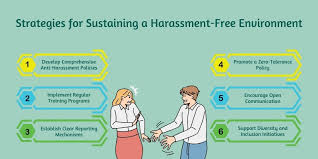
Harassment can become deeply disruptive when it starts reaching the people closest to the target. Repeated unwanted contact, threats, monitoring, or intimidating behavior may affect a family’s safety, routines, sleep, and sense of privacy.
A family dealing with this situation should begin with clear documentation and calm, careful action. Speaking with a lawyer for harassment cases can help determine whether the conduct may support a civil anti-harassment protection order, especially when repeated acts cause emotional distress or raise concerns about a child’s safety.
Identify How The Harassment Is Affecting Your Household
Harassment may involve unwanted calls, messages, visits, online contact, or behavior that creates fear at home, work, or school. The concern becomes more serious when the conduct continues after the person has been told to stop.
A civil anti-harassment issue sometimes involves someone outside a close domestic relationship, such as a neighbor, coworker, friend, acquaintance, or stranger. Families should pay close attention when the behavior disturbs privacy, creates a hostile environment, or makes normal daily life feel unsafe.
Document Every Repeated Incident
Accurate records can help show a pattern of conduct over time. A single upsetting event may not always meet the legal standard for harassment, so repeated behavior should be documented carefully.
Useful details to save include:
- Dates, times, and locations of each incident
- Screenshots of texts, emails, calls, or online messages
- Photos, videos, or voicemails connected to the conduct
- Names of witnesses who saw or heard what happened
- Notes showing when the person was told to stop contact
Limit Contact And Protect Family Privacy
Direct engagement can make harassment harder to control. Family members should avoid arguments, repeated replies, or emotional responses that may invite more contact.
Privacy settings should also be reviewed on phones, email accounts, and social media profiles. Children and relatives should know not to share schedules, addresses, school details, or personal updates with the person causing concern.
Consider A Civil Anti-Harassment Protection Order
A civil anti-harassment protection order may prohibit the respondent from contacting, monitoring, or coming near the protected person. It may also require the respondent to stay away from a home, workplace, school, or other important location.
A qualified lawyer for harassment cases can review the evidence, prepare the petition, explain court expectations, and help present the case clearly. Legal support is especially valuable when the harassment involves family safety, children, prior court orders, or conduct that has continued despite clear notice to stop.
Understand What Courts May Review
Courts sometimes look at whether the contact was unwanted, repeated, and without a lawful purpose. They may also consider whether the actions would cause substantial emotional distress to a reasonable person.
Judges may review whether the respondent had notice to stop, whether the behavior disturbed privacy, and whether any previous order limited contact. Clear facts and organized evidence can make the request easier to evaluate.
Build A Practical Safety Plan
A safety plan helps reduce panic if harassment escalates. Every family member should know who to call, where to go, and what information to share with authorities if threatening behavior occurs.
Helpful steps include:
- Keeping emergency contacts easy to access
- Informing trusted relatives or neighbors about safety concerns
- Saving evidence in a secure folder
- Reporting threats or stalking behavior promptly
- Reviewing school or workplace safety procedures when needed
When To Seek A Civil Anti-Harassment Protection Order For Ongoing Family Safety
Repeated unwanted contact, threats, stalking behavior, or conduct that disrupts a family’s safety may justify a civil anti-harassment protection order. Professional legal guidance helps organize evidence, prepare accurate filings, and present urgent safety concerns clearly in court.
Harassment can affect a family’s emotional health, privacy, and confidence at home. Prompt documentation, reduced contact, legal guidance, and a clear safety plan can help protect loved ones and support a stronger path forward.