CLEW pouches vs big brands: packaging as evidence
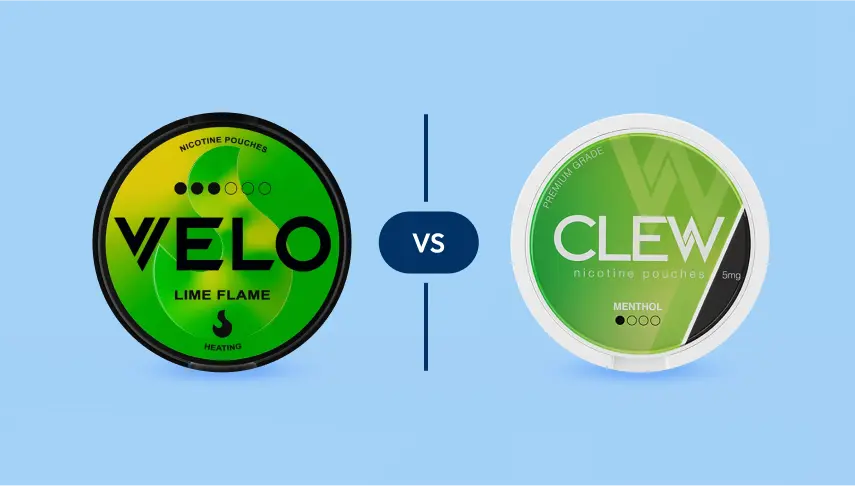
Challenger Brands And Consumer Evidence Questions
Challenger brands differ from household names because they rely less on reputation built over decades and more on clear presentation, bold packaging, and detailed product information. That difference does not just matter on the shelf. It can also shape how contracts, marketing claims, and expectations are interpreted when disagreements about a purchase end up in legal consultations or even formal disputes.
What Sets Challenger Brands Apart
In consumer law, a core question is what a reasonable buyer understood from the packaging and product description at the time of purchase. Large legacy brands often lean on familiar layouts and minimal wording. Challenger brands such as CLEW pouches tend to use fresher designs, more varied flavor naming, and longer descriptions to explain what the buyer is getting in each can or multipack.
Those differences can become important evidence. A buyer choosing a challenger product is often paying close attention to label text, not just a logo seen for years. If a person ordered CLEW nicotine pouches and saw that the range is stocked at Gigasnus, screenshots of that listing, together with order confirmations, might later help show exactly which variant was promoted and at what stated quantity or price.
CLEW Compared With Bigger Shelf Names
From a legal perspective, the comparison between CLEW pouches and larger brands is less about taste and more about how information is delivered. Big names often sell long running “core” lines that change little over time. Their can layout, wording, and color schemes are highly stable, which can make it easier to argue that a particular presentation has a settled, well known meaning among regular buyers.
Challenger brands are more likely to experiment. CLEW pouches, for example, may appear across several themed lines where flavor titles, artwork, and background patterns change more frequently than in traditional ranges. That creativity is attractive on the shelf, yet it also means each batch’s label, online description, and promotional copy should be kept on file. If a disagreement arises about what a consumer was led to expect, lawyers and courts will want to see the exact wording that applied at the time, not a later redesigned can.
Why Product Pages Matter As Evidence
In modern consumer disputes, a court will not just look at the physical can. Screenshots of product pages, timestamps, and order histories often sit alongside packaging photos in the case file. For a challenger brand, these online pages typically carry more detail about format, quantity per can, and flavor line than legacy products, which may rely more heavily on their long standing trade dress.
Price information, availability notes, and variant lists on retailer sites can all be relevant in reconstructing events. Even something as simple as a historical price listing at an online shop like the Gigasnus store may help confirm when a certain CLEW pouches variant was on sale and under which promotional wording. Lawyers examining a potential claim often piece these fragments together to reconstruct what the buyer actually saw.
How Lawyers Use These Differences
When attorneys evaluate whether a consumer has a credible claim, they look beyond the name on the lid. They compare how a challenger item such as CLEW pouches was described, packaged, and displayed with how well known competitors describe comparable products. If the challenger brand gave more specific flavor or format information, that detail can cut both ways. It might clarify expectations, or it might be scrutinized if a buyer says the purchase did not match the presentation.
For readers, the key takeaway is that the distinction between challenger brands and household names is not only about marketing style. It also shapes the kind of evidence that will exist if a disagreement over a purchase ever needs legal review. Keeping receipts, screenshots, and even photos of the packaging can turn a vague complaint into a clearer, better documented story that courts and lawyers can understand.