Understanding Electrical Accident Injuries and Legal Steps: Guidance for Workers and Employers
Key Takeaways
- Electrical accidents can cause a spectrum of injuries, from minor burns to grave cardiac complications.
- Employers are responsible for preventing incidents by adhering to strict safety standards and regularly maintaining equipment.
- Workers have defined legal pathways, including workers’ compensation and third-party claims, following an electrical accident.
Table of Contents
- Common Injuries from Electrical Accidents
- Employer Responsibilities and Safety Measures
- Immediate Steps After an Electrical Accident
- Legal Options for Injured Workers
- Workers’ Compensation vs. Third-Party Claims
- Preventive Measures to Avoid Electrical Accidents
- Conclusion
Electrical accidents in the workplace are not only dangerous but can have lasting repercussions for both workers and employers. Recognizing the typical injuries involved and knowing the legal steps to take after such incidents are essential to ensuring employees’ safety and rights. If you need legal guidance in these situations, particularly if you are in Pennsylvania, consulting an experienced Philadelphia electrocution accident lawyer can help clarify your options and protect your interests.
Employers have a duty to maintain safe working conditions, while workers must be informed about the procedures to follow after an electrical accident. This article covers the most common injuries, outlines employer responsibilities, and explains legal actions workers can take to secure compensation and improve workplace safety. Whether you are an employee or employer, having a thorough understanding of preventive and legal measures can make all the difference in the aftermath of an electrical incident.
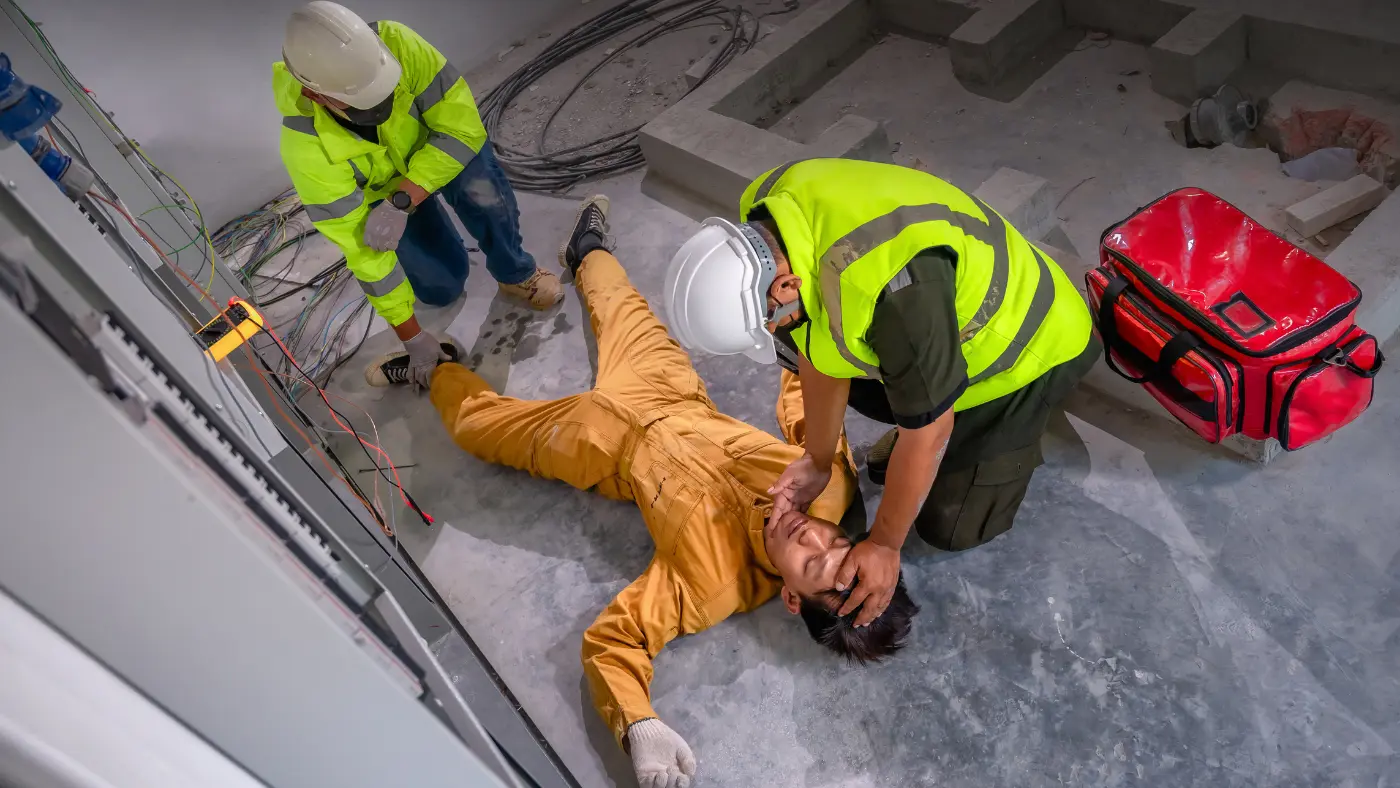
Electrical hazards are an ever-present risk in industries such as construction, manufacturing, and maintenance. The consequences of even brief contact with electricity can be severe and change a worker’s life. Appropriate training, proper use of personal protective equipment, and immediate action after an incident are crucial elements of workplace injury prevention and claim management.
In addition to immediate physical effects, electrical incidents can leave lasting financial and legal challenges for those involved. Addressing these proactively benefits both employee well-being and overall workplace productivity. For comprehensive guidelines on workplace accident responses, visit the Occupational Safety and Health Administration (OSHA) workers’ page.
Common Injuries from Electrical Accidents
Electrical accidents can result in a variety of injuries depending on factors such as voltage, duration of contact, and the current path. Typical injuries include:
- Burns: High-voltage contact may cause surface burns and damage internal tissues and organs.
- Cardiac Complications: Heart rhythm disturbances or even cardiac arrest can follow electrical exposure, especially if the chest is involved.
- Nerve Damage: Electric shock may injure nerves, leading to chronic pain, numbness, weakness, or loss of coordination.
- Muscle Injuries: Intense muscle contractions triggered by electrical currents can lead to sprains, tears, or bone fractures.
- Neurological Impacts: Seizures, memory impairment, confusion, or long-term cognitive problems may occur.
According to OSHA, over 300 fatalities and more than 4,000 injuries occur each year due to electrical hazards, with construction workers representing a significant proportion of casualties. For more details, refer to the National Safety Council’s electrical safety resources.
Employer Responsibilities and Safety Measures
Workplace safety regulations require employers to identify risks and implement corrective steps to reduce the chances of electrical accidents. Key employer obligations include:
- Identifying Hazards: Regular workplace assessments for potential electrical risks and faulty wiring.
- Employee Training: Comprehensive training for workers regarding handling electrical equipment and emergency response protocols.
- Providing PPE: Supplying proper personal protective equipment, such as insulated gloves and footwear suitable for the task.
- Equipment Maintenance: Conducting frequent inspections and timely repairs or replacements of all electrical devices and systems.
Failure to uphold these responsibilities exposes employers to legal consequences and raises the likelihood of serious accidents.
Immediate Steps After an Electrical Accident
The actions taken directly after an electrical accident can significantly influence both recovery and legal outcomes. Recommended steps include:
- Seek Immediate Medical Care: Always have a qualified medical provider evaluate injuries, no matter how minor they appear.
- Notify Your Employer: Ensure that your supervisor or HR representative is informed as soon as possible after the incident.
- Document the Scene: Take photographs, retain damaged equipment, and collect contact information from witnesses.
- Preserve Evidence: Maintain any tools or materials involved in the accident for later investigation or potential claims.
Documenting details thoroughly and promptly increases the chances of a successful legal or compensation claim.
Legal Options for Injured Workers
Workers who suffer from electrical injuries have several legal pathways to consider:
- Workers’ Compensation: Injured employees can typically receive wage replacement and medical benefits without proving employer fault.
- Third-Party Claims: If an equipment manufacturer or contractor outside of the employer is responsible, an additional personal injury claim may be pursued.
- OSHA Complaints: Workers can report hazardous conditions confidentially to OSHA, which may trigger workplace inspections and corrective actions.
Workers need to understand each option to ensure that their rights are protected and that they receive the support they need.
Workers’ Compensation vs. Third-Party Claims
Workers’ compensation laws allow fast access to medical care and partial wage replacement, but may not cover all costs. If a third party, such as an equipment supplier, was negligent, the injured worker may file a separate claim for damages, including:
- Full wage loss
- Pain and suffering
- Loss of enjoyment of life
- Permanent scarring or disfigurement
Consulting with a personal injury attorney helps determine whether a workers’ compensation claim, a third-party claim, or both are appropriate.
Preventive Measures to Avoid Electrical Accidents
Most electrical incidents are preventable with diligent planning and action. Recommended preventive measures include:
- Ongoing Training: Schedule regular refreshers and updates on electrical safety practices.
- Routine Inspections: Regularly check and maintain electrical tools and systems to promptly identify and correct hazards.
- Effective Use of Signage: Mark potential danger zones and equipment with clear, noticeable warning signs.
- Emergency Preparedness: Develop, communicate, and practice a comprehensive emergency response plan for electrical incidents.
Implementing these steps not only reduces the risk of accidents but also creates a safety-conscious workplace culture.
Conclusion
Electrical workplace accidents are among the most dangerous and complex events that employees and employers can face. Understanding the types of injuries, the obligations of both parties, immediate response protocols, and available legal remedies is critical. By remaining vigilant about safety, proactively responding to incidents, and seeking out legal counsel when necessary, workplaces can reduce risk and ensure that injured parties receive the care and compensation they deserve.