Reducing Recidivism: How Community-Focused Programs Are Transforming the Criminal Justice System
Key Takeaways
- Community-focused programs address the root causes of criminal behavior, such as substance abuse and lack of education.
- Evidence-based practices in these programs have led to significant reductions in recidivism rates.
- Successful initiatives include rehabilitation centers, healthcare programs, and reentry support services.
Recidivism, the tendency for previously incarcerated individuals to reoffend, remains a persistent challenge within the criminal justice system. For years, punitive responses to crime have been the default approach, but they frequently overlook the underlying factors driving criminal behavior. Community-based initiatives have started to shift the landscape by offering tailored support and services to those reentering society. For anyone navigating legal challenges, including those related to reentry or criminal accusations, consulting a qualified criminal attorney Spokane Washington may provide invaluable guidance.
While prisons aim to protect society, they rarely address issues like addiction, trauma, and educational gaps, which can contribute to repeat offenses. Community-focused programs step in to provide crucial services that support former inmates, ultimately improving public safety by addressing these root causes instead of simply punishing behavior.
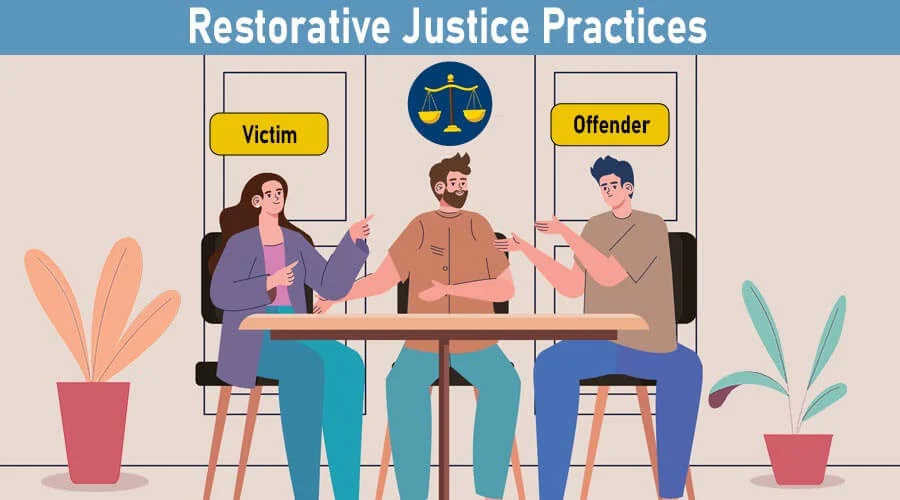
With these innovative approaches, communities and stakeholders are witnessing measurable reductions in repeat offenses. These programs represent a growing movement to improve outcomes by prioritizing rehabilitation and long-term success rather than incarceration alone. Restorative justice efforts underline the importance of treating people as individuals who, with the right resources, can successfully rebuild their lives.
Alongside addressing root causes, these initiatives often collaborate with other organizations to maximize their impact and extend support, helping to bridge critical gaps as individuals transition out of the criminal justice system.
Addressing Root Causes Through Rehabilitation
Community-focused programs often begin by identifying and treating the driving factors behind criminal behavior. Many individuals entering the justice system struggle with substance abuse, mental health disorders, or limited education. According to the Massachusetts Department of Correction, people who completed substance use treatment and earned a high school equivalency saw recidivism rates drop to 7.8%, compared to 19.7% for those without such support. These programs demonstrate that a coordinated response to addiction and education can prevent further offenses, benefiting not only individuals but also entire communities.
Implementing Evidence-Based Practices
Programs rooted in evidence rather than punishment have yielded impressive results. For instance, the University of Pennsylvania’s Crime and Justice Policy Lab evaluated Community Justice Support Centers in Massachusetts. Findings revealed up to a 36% reduction in recidivism among probationers who used these centers, which emphasize cognitive-behavioral therapy and strategic outcome measurement.
Innovative Rehabilitation Centers
Some states are reimagining traditional prisons by transforming them into rehabilitation-focused institutions. A notable example is the $239 million renovation of California’s San Quentin State Prison, with the project aiming for completion in early 2026. Inspired by Scandinavian models, the facility will emphasize rehabilitation and community integration. This innovative approach sets an example for the rest of the country, prioritizing support and skill-building over extended isolation, with expectations for a significant drop in recidivism.
Healthcare Programs for Former Inmates
Healthcare remains a significant concern for those leaving incarceration, with many facing chronic physical or behavioral health challenges. The Transitions Clinic Network, operating in a dozen states and Puerto Rico, offers primary care tailored to the unique needs of recently released inmates.
Reentry Support Services
Support for individuals after release is another key pillar of successful reintegration. California’s reentry programs, for example, have been credited with reducing recidivism rates by 34% among men and an even higher 44% among women. Services typically include transitional housing, employment assistance, mental health counseling, and ongoing mentorship. By addressing everyday challenges, these programs give individuals a realistic chance to build stable, independent lives and break the cycle of reoffending.
Community Justice Courts
Community justice courts focus on rehabilitation by mandating community service and treatment programs rather than defaulting to incarceration. A study by the RAND Corporation assessed San Francisco’s Community Justice Center and found participants were less likely to be rearrested within a year. These courts represent a crucial shift toward restorative justice and highlight how alternatives to jail can result in safer and healthier communities.
Embracing Holistic Reentry Models
Holistic reentry models are becoming increasingly common, with some communities launching wraparound programs that integrate legal counsel, housing support, medical care, job skills training, and peer mentorship. Local governments across the United States have started to recognize the value of investing in comprehensive reentry services rather than simply reacting to new offenses. This growing trend not only benefits individuals but also leads to cost savings for taxpayers as fewer people return to incarceration. By providing the resources and stability that formerly incarcerated individuals need, these models give participants a real chance at personal growth and a positive contribution to their communities.
The Role of Community Partnerships
These impactful justice reforms frequently rely on partnerships among local nonprofits, law enforcement agencies, employers, and advocacy groups. For example, collaborations with businesses help open doors to employment through fair-chance hiring initiatives. Community organizations, in turn, provide ongoing case management that keeps individuals engaged and on track with their personal development goals. Such collaborative networks are critical in reducing barriers to success and ensuring that reentry programs have the support needed to address complex challenges holistically. In addition, peer support from individuals with lived experience in the justice system fosters trust and empowers new participants, making these partnerships a cornerstone of sustained positive outcomes.
Measuring and Sustaining Results
Evaluating the long-term effectiveness of community-focused initiatives is essential for their continued success. Many programs now use data-driven metrics to track recidivism rates, participants’ employment outcomes, housing stability, and other indicators of reintegration. These ongoing assessments not only allow organizations to refine their approaches but also strengthen their cases for public and private funding. Sharing data-driven success stories can inspire replication in other jurisdictions, helping amplify the benefits of these reforms across the nation. By building a foundation on evidence, collaboration, and compassionate support, communities lay the groundwork for great, lasting improvements in public safety and social well-being.
Conclusion
Community-focused initiatives that address the core drivers of crime, use proven interventions, and deliver comprehensive support have emerged as key players in reducing recidivism. By centering efforts on rehabilitation and reintegration, these programs are pushing the criminal justice system toward a more humane and effective future, one that serves both individuals and society by increasing opportunity, hope, and safety for all.