Is Buying a Super Clone Rolex Illegal?
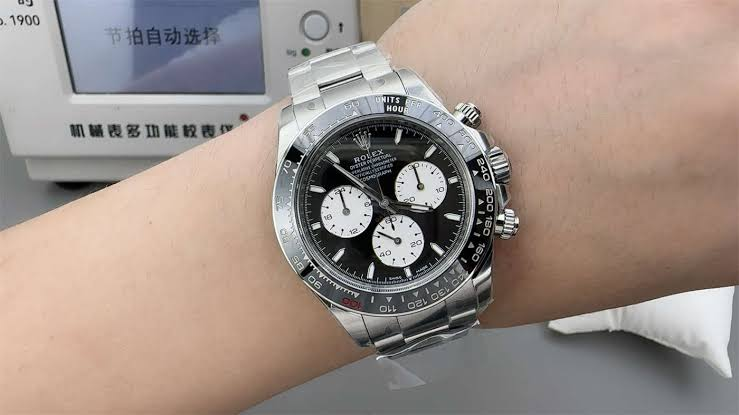
Ask ten people whether buying a super clone Rolex is illegal and you’ll get ten different answers. Some will tell you it’s a straight-up crime. Others will say it’s a grey area. A few will claim nobody cares.
The truth sits somewhere in the middle. And it depends heavily on who you are, where you live, and what you actually do with the watch.
Owning a replica Rolex watch is not illegal in most countries. Wearing one on your wrist, keeping it in your collection, showing it to friends — that’s rarely what gets people in trouble. The legal exposure shifts dramatically when you move from personal use to buying, selling, or importing.
Here’s the thing: the law generally targets the supply chain, not the end consumer. The factories producing counterfeit goods, the distributors moving them across borders, the sellers passing them off as genuine — that’s where enforcement focuses. Buyers who knowingly purchase counterfeit goods may face consequences in some jurisdictions, but in practice, personal buyers are rarely the priority.
Where the Real Legal Risk Sits
Sellers and importers carry almost all of the legal weight. In the US, selling fake watches from American soil is illegal under both federal and state law, even if the buyer knows they’re buying a replica. The penalties can include hefty fines and, in some cases, imprisonment.
The UK takes a similarly hard line. A recent case saw a fraudster jailed for selling fake Rolex watches on eBay, advertising them as genuine. Note the distinction — he was selling them as real, not as replicas. That’s the line that turns a civil infringement into a criminal matter.
Importing carries its own risks. Customs agencies can seize counterfeit goods at the border. In fiscal year 2024, US Customs seized an average manufacturer’s suggested retail price of $1.4 billion in fake watches. Buyers who import replicas can lose both the watch and the money paid for it.
Personal buyers face a different reality. In most Western countries, simply purchasing a replica for personal use doesn’t trigger criminal prosecution. That doesn’t mean it’s legal — it means enforcement is rare. The legal grey area exists because the laws are written to target commercial activity, not individual consumption.
How This Varies by Country
The legal landscape shifts significantly depending on jurisdiction.
United States: Buying a replica watch exists in a legal grey area. Federal law focuses on trafficking and counterfeiting for profit. Personal possession is rarely prosecuted, but customs can seize imported items.
European Union: Similar to the US. Buying for personal use is generally not prosecuted, but importing carries seizure risk. Some EU countries have stricter enforcement than others.
Singapore: Significantly tougher. Buyers risk fines exceeding S$100,000 per item under the Trade Marks Act. The Singapore Police Force seized S$530,000 in fake watches in 2024 alone.
Switzerland: As the home of Rolex, enforcement is aggressive. Swiss customs regularly seize counterfeit goods at the border.
The pattern is clear: the stricter the intellectual property laws and the more active the enforcement, the higher the risk. But even in strict jurisdictions, the hammer falls hardest on commercial operators, not individual buyers.
What “Legit” Even Means for a Super Clone Community or Dealer
The replica watch community uses the term “legit” differently than a mainstream consumer would. A “legit” dealer in this context doesn’t mean authorised — it means reliable. It means the dealer actually delivers the watch they promised, responds to questions, and doesn’t disappear after payment.
This is where things get messy.
The replica market operates outside formal systems. There are no authorised dealers, no manufacturer warranties, no consumer protection frameworks. Trust is built through community vetting, not legal compliance.
Communities like the main replica watch forums have developed systems to address this. They maintain lists of “Trusted Dealers” — sellers who have demonstrated reliability over time. They enforce QC (quality control) templates that require buyers to inspect photos before shipment. They share information about factory closures, new releases, and scam operations.
But “legit” in this world is fragile. A dealer who built a reputation over years can disappear overnight. A factory that produced top-tier watches can be raided and shut down. The Clean Factory, once the standard-setter for ceramic bezels and bracelets, was raided in July 2025 and hasn’t returned.
Reading reviews is essential, but reviews can be faked. One Trustpilot page for a replica site shows a 2.9/5 rating with complaints ranging from defective watches to complete non-delivery. Another review site calls the same operation a “total scam”. The pattern repeats across the space — glowing testimonials sitting alongside accusations of fraud.
The practical takeaway is this: in the replica watch world, “legit” is a measure of community consensus, not legal standing. It means the dealer has a track record of delivery, not that the transaction is legally protected.
The Practical Takeaway
Buying a super clone Rolex sits in a legal grey area that varies by country. Personal buyers in most Western nations face low enforcement risk, but that doesn’t mean zero risk. Customs can seize imports. Sellers face serious legal exposure. And “legit” dealers in this space are defined by community reputation, not legal authorisation.
None of this is legal advice. The laws differ by jurisdiction and enforcement priorities change. Anyone considering a purchase should research their local laws and understand that the replica market operates entirely outside consumer protections.
The watches themselves are getting better. The legal landscape hasn’t changed to match. That gap — between what’s technically illegal and what’s actually enforced — is where the entire market exists.
Post 2: Buying Guide Roundup (Brief 1)
SEO Title: Where to Start Looking for a Super Clone Rolex (58 chars)
Meta Description: What separates a good super clone dealer from a bad one. Factory sourcing, QC photos, movement transparency — the vetting criteria that matter. (154 chars)
The Problem With “Best” Lists
Google “best super clone Rolex” and you’ll find page after page of sites claiming to have the answer. Most of them are selling something. The ones that aren’t selling are usually outdated.
Here’s the reality: there’s no single best dealer, no definitive ranking, no universally agreed-upon top site. The market moves too fast. Factories get raided. Dealers change names. Quality shifts between batches.
What matters isn’t a name — it’s a process. The buyers who consistently get good watches don’t rely on a single recommendation. They use a set of criteria to evaluate any dealer, any factory, any individual watch.
Factory Sourcing: Where the Watch Actually Comes From
The first question isn’t “who’s selling it” — it’s “who made it.”
Top-tier super clones come from specific factories. VSF is currently the default producer for high-end Rolex replicas. Clean Factory was the other major player until its July 2025 raid. Other factories like ZF, ARF, and Noob have produced notable watches at various points.
A dealer who can’t or won’t tell you which factory produced a watch is a red flag. Not because every factory matters equally — but because transparency about sourcing is the baseline. If they’re vague about where the watch comes from, they’re probably vague about everything else.
The super clone tier is defined by specific materials and construction: 904L steel, sapphire crystal with real AR coating, ceramic bezel, and clone movements that beat at 28,800bph with a sweeping second hand. A dealer should be able to confirm these specs without hesitation.
QC Photos: The Non-Negotiable Step
Quality Control photos — QC for short — are the single most important vetting tool in the replica market.
Here’s how it works: before a dealer ships a watch, they send photos of the actual watch the buyer will receive. The buyer inspects those photos, identifies any visible flaws, and decides whether to approve shipment or request a different watch.
A dealer who refuses to provide QC photos is not worth dealing with. Full stop.
The photos should show:
- Straight-on dial shots to check alignment and printing
- Side profiles showing case thickness and bezel fit
- Clasp and bracelet details
- The date window and cyclops magnification
- The rehaut engraving (the inner ring of the case)
Buyers in the community have developed standard templates for QC requests. These templates ask for specific angles, specific lighting, specific details. The existence of these templates reflects a hard-won truth: if you don’t check carefully, you’ll miss something.
Movement Transparency: What’s Actually Inside
The movement is where even the best super clones give themselves away.
Genuine Rolex movements use a free-sprung balance — no regulating pins, adjustment via micro-stella screws on the balance wheel. Clone movements almost always have regulating pins. Under a display case back, the finishing differences are obvious.
A dealer should be transparent about what movement is inside the watch. The main clone calibers are VS3235, VS3230, VS3135, and DD4130, depending on the reference. If a dealer can’t name the movement, they either don’t know or don’t want you to know.
Movement transparency matters for another reason: serviceability. Clone movements use parts that are difficult to source. Watchmakers who work on genuine Rolexes often won’t touch replicas. Knowing what’s inside helps buyers understand what they’re getting into.
Community Vetting: The Only Real Quality Control
The replica watch community has developed its own systems because no one else will.
Forums like the main replica watch subreddit maintain strict moderation, enforce QC templates, and prevent unauthorised sales. They track factory closures, dealer reliability, and quality shifts between batches. They share information about scams and warn members about problematic sellers.
But community vetting has limits. Trusted Dealer lists are maintained by volunteers. Scammers copy photos from legitimate listings. A dealer who was reliable six months ago might have gone bad.
The smart approach is to treat community information as a starting point, not a final answer. Cross-reference reviews across multiple platforms. Look for detailed, specific feedback — not just “great watch” but actual descriptions of what arrived. Be suspicious of prices that seem too low.
The Real Tells (Even on the Good Ones)
Every replica has tells. Every single one.
The best super clones are visually convincing at arm’s length. Under magnification, the differences appear. Under a loupe, they’re obvious.
The common tells:
- Rehaut engraving depth: Genuine Rolex engraving is sharp and consistent. Replicas often have shallower or uneven engraving.
- Laser-etched crown at 6 o’clock: Rolex introduced this anti-counterfeiting feature in the early 2000s. Replicas often get the microtext wrong.
- Date wheel alignment: The date should sit perfectly centred in the window. Many replicas have date wheels that sit high, low, or crooked.
- Cyclops magnification: Genuine Rolex magnifies the date by 2.5x. Replicas frequently get this wrong.
- Lume: Under UV light, the colour temperature and evenness of the lume often differ from genuine.
- Water resistance: Rolex’s pressure testing and gasket systems aren’t matched by replicas.
The movement is the definitive test. Visual inspection alone is often insufficient. Open the case back and the difference is immediate.
Where to Actually Start
Start with research, not a purchase. Spend time in the communities. Read the guides. Understand the terminology — TD, QC, GL, RL, NWBIG. Learn which factories produce which references.
When you’re ready to look at specific watches, focus on dealers who are transparent about sourcing, provide comprehensive QC photos, and can answer technical questions about movements. Avoid anyone who rushes you, refuses to show photos, or makes claims about “1:1 perfection”.
And remember: the best dealer today might not be the best dealer tomorrow. The market changes constantly. The only reliable approach is to do the work yourself.
For buyers who want to see what a dedicated super clone retailer looks like in practice — one that sources from VSF and other top-tier factories, provides detailed QC photos, and is transparent about movements — a ROLEX super clone specialist can serve as a useful reference point for what to expect from a professional operation.
The watch itself is just the start. The real value is in the process that gets you there.