Injured in Miramar Beach? What Florida Accident Victims Should Know
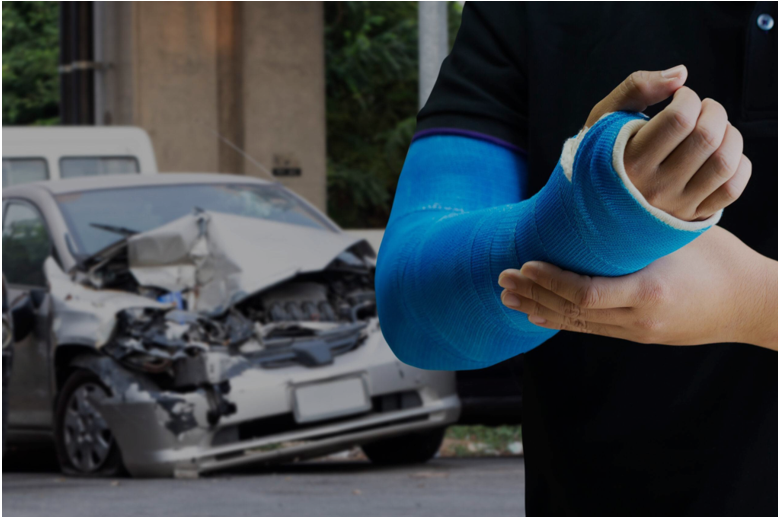
Miramar Beach and the surrounding Emerald Coast draw residents and visitors alike with their beautiful shores and vibrant communities. But accidents happen everywhere, and when they do, the aftermath can be overwhelming. If you’ve been injured because of someone else’s negligence in the Miramar Beach area, understanding your rights under Florida law is essential to protecting yourself. Florida has its own particular approach to injury claims, and knowing the basics helps accident victims navigate a confusing and stressful situation with greater confidence.
This article is general information rather than legal advice, but it should help Florida accident victims understand their rights.
Florida’s distinctive approach to accidents
Florida handles certain accidents differently from many other states, and understanding this is important for anyone injured in the area. For motor vehicle accidents in particular, Florida has historically operated under a no-fault system, which requires drivers to carry personal injury protection coverage that pays for certain losses regardless of who caused the accident. This system affects how injury claims arising from car accidents work.
Under this framework, a person injured in a car accident typically turns first to their own personal injury protection coverage for certain benefits. In more serious cases, however, where injuries meet certain thresholds, an injured person may be able to pursue a claim against the at-fault party for additional compensation. This distinctive approach makes Florida accident claims different from those in many other states. Accident victims in the area often consult a miramar beach personal injury lawyer to understand how these rules apply to their situation. Understanding Florida’s particular framework is the starting point for protecting your rights after an accident.
How fault works in Florida
Beyond the no-fault system for certain auto accidents, Florida’s approach to fault in injury cases generally is also important to understand. Florida follows a comparative negligence system, under which an injured person’s compensation can be reduced by their share of responsibility for the accident. In recent years, Florida has moved to a modified comparative negligence approach, under which a person found to bear more than half the fault may be barred from recovering compensation.
This rule has real consequences. It means that establishing what happened, and how fault should be apportioned, can significantly affect the outcome of a claim. Insurance companies are well aware of this and often try to shift blame onto the injured person to reduce or eliminate what they must pay. Being prepared to establish the facts and counter unfair attempts to assign blame is essential to protecting a fair recovery. Understanding how Florida’s comparative negligence rule works helps accident victims appreciate why the facts surrounding an accident matter so much to the outcome.
Florida’s deadlines for injury claims
Time limits are a critical consideration for Florida accident victims. Like all states, Florida sets a statute of limitations for personal injury claims, a deadline by which a lawsuit must be filed. In recent years, Florida changed its deadline for many negligence claims, shortening the time available, which makes understanding the current applicable deadline especially important. Missing it generally forfeits the right to pursue compensation entirely.
Because these deadlines have changed and can vary depending on the type of claim, it’s particularly important not to assume you have ample time after an accident. Beyond the formal deadline, acting promptly also serves practical purposes, evidence is best preserved soon after an accident, and witnesses are easier to locate while memories are fresh. The sooner you understand your rights and the applicable deadline, the better positioned you’ll be. Given the changes to Florida’s time limits, timely attention to your rights is more important than ever.
What compensation may be available
When another’s negligence causes injury, Florida law allows victims to seek compensation for their losses, subject to the state’s particular rules. This compensation can include economic damages tangible costs like medical expenses, lost income, future care needs, and property damage as well as non-economic damages for intangible harms like pain, suffering, and diminished quality of life, particularly in more serious cases.
Accurately valuing a claim requires looking beyond immediate costs to the full, long-term impact of an injury. Serious injuries can require ongoing treatment and affect a person’s life for years, and accounting for these future consequences is essential to fair compensation. A settlement that addresses only immediate costs may leave a victim without resources for the future. This is why understanding the full scope of an injury and its likely long-term effects is so important before accepting any settlement. Understanding what compensation may be available helps accident victims pursue what they’re genuinely owed.
Dealing with insurance companies
A significant part of any accident claim involves dealing with insurance companies, and understanding their role is essential. Insurers are businesses focused on minimizing what they pay, and even when liability seems clear, an injured person may face delays, low settlement offers, disputes about the severity of injuries, and pressure to settle quickly before the full extent of the harm is known.
This dynamic puts injured people at a disadvantage, especially when they’re coping with injuries and stress. Accepting an early settlement can be tempting when bills are mounting, but doing so before understanding the full scope of one’s injuries can be a costly mistake, particularly given that settlements are typically final. Approaching insurers with appropriate caution, understanding that their interests differ from yours, and not rushing to settle helps protect your rights. Being careful in communications with insurers avoiding recorded statements or admissions that could be used against you is also important.
The value of acting knowledgeably
Given Florida’s particular rules and the complexities involved, accident victims benefit greatly from approaching their situations knowledgeably. The no-fault system for auto accidents, the comparative negligence approach to fault, the changed deadlines, and the realities of dealing with insurers all make Florida injury claims something that’s difficult to navigate without understanding how they work. Knowledge helps victims protect their rights and avoid costly mistakes.
This is also why many accident victims find professional guidance valuable. Understanding one’s rights under Florida’s specific framework, accurately valuing a claim, handling insurers, and meeting deadlines can be challenging to manage alone, especially while recovering from an injury. Seeking guidance early, before making major decisions, helps ensure a victim’s rights are protected. Approaching an injury situation with knowledge and appropriate guidance gives accident victims the best chance of a fair outcome.
The importance of prompt medical care
After any accident, prompt medical care is especially important in Florida, both for health and for protecting a potential claim. Under Florida’s framework for auto accidents, there can be particular importance to seeking medical attention promptly, as delays may affect access to certain benefits in addition to raising questions about the seriousness of injuries. Beyond any specific rules, prompt care is simply better for recovery and for documenting the connection between an accident and the resulting injuries.
The bottom line
If you’ve been injured in the Miramar Beach area, understanding Florida’s particular approach to injury claims is essential to protecting your rights. Florida’s no-fault system for auto accidents, its comparative negligence rules, and its recently changed deadlines all make these claims distinct, and the realities of dealing with insurance companies add further challenges. By understanding the framework that governs your situation, accounting for the full scope of your injuries, acting promptly, and seeking guidance when needed, Florida accident victims can protect their rights and pursue the fair compensation they deserve after harm they didn’t cause.