What Accident Victims Should Know About Long-Term Recovery Support
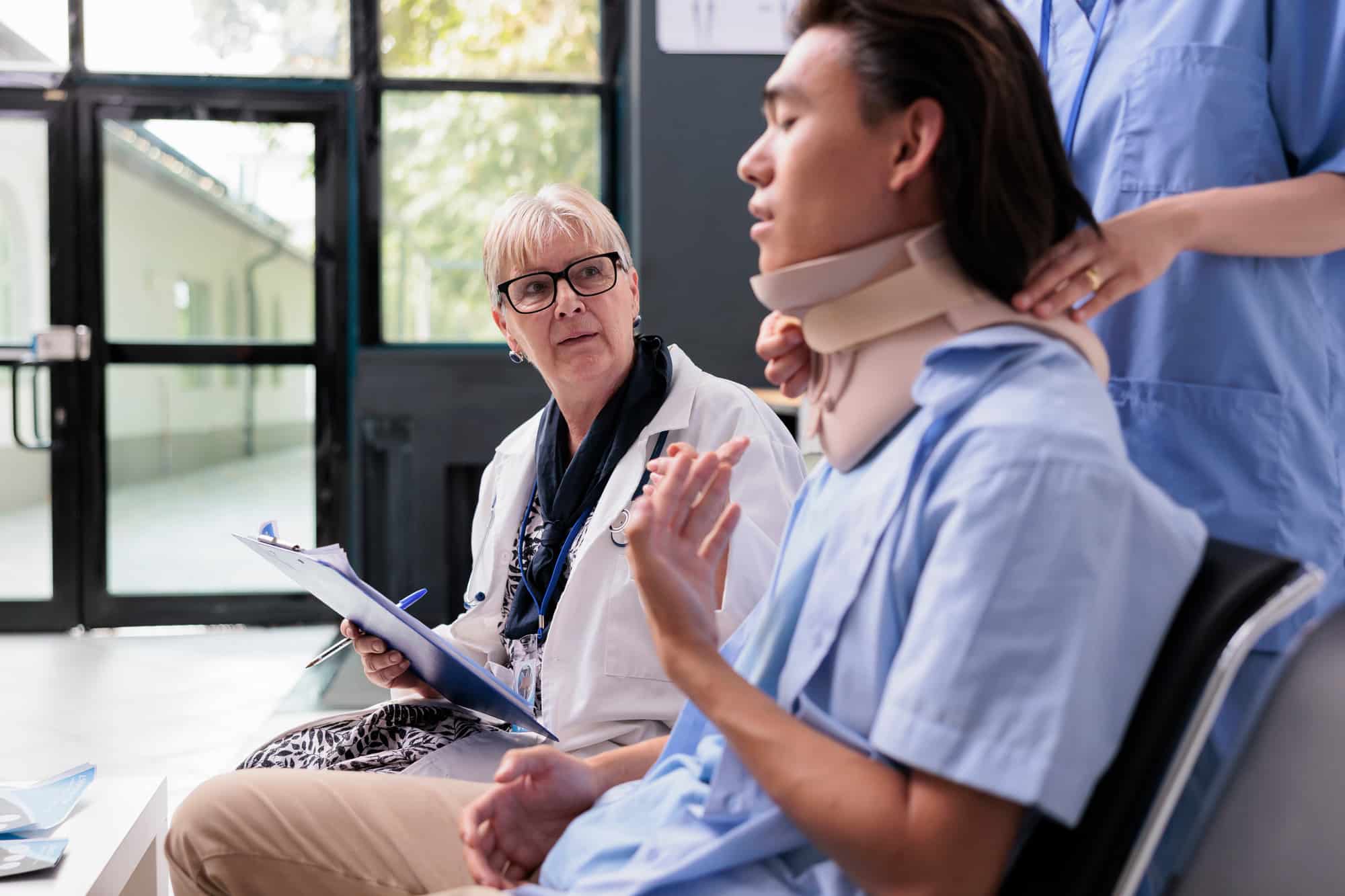
You may feel lost after an accident and unsure about long-term recovery support. Many people need months of care, rehab, and counseling to heal. This post explains what help you can get and how to plan for costs, medical care, and emotional healing.
Read on to learn more.
The Immediate Aftermath of an Accident
The moments right after an accident can be chaotic. It’s crucial to get medical help fast and keep a record of your injuries and what happened.
Seeking Emergency Medical Assistance
Get help right away after an accident. Quick action helps with recovery and legal needs.
- Call 911 if anyone is hurt or if a crash risk exists; emergency teams can stop bleeding, check for head injury, and move people safely.
- Tell first responders about all pain, odd symptoms, current medications, and allergies so medical staff can treat you safely.
- Stay still if you suspect a neck or spine injury and tell the EMTs before they move you to reduce further harm.
- Ask for a full injury check, even if you feel okay, because some injuries show up hours or days later after the shock wears off.
- Take photos of wounds, vehicle damage, road signs, and skid marks to document the scene for medical and legal support.
- Get names, badge numbers, and contact details of paramedics and police, and ask for a copy of any incident report they file.
- Keep all medical forms, test results, bills, prescriptions, and receipts to plan for medical expenses and to show an attorney.
- Follow up with your doctor within 48 to 72 hours after the incident if symptoms persist, and start physical therapy or rehabilitation as recommended.
Documenting Injuries and Incident Details
You must record what happened right away. Clear records help with recovery and legal processes.
- Take photos of every injury and scene. Use a phone to capture wide shots and close-ups that show wounds, bruises, vehicle damage, and road signs.
- Note the date and time of the incident. Write down when symptoms began and when you sought medical care.
- Collect contact details of witnesses and others involved. Ask for names, phone numbers, and email addresses for later statements.
- Request a copy of any police report filed. Save the report number, officer name, and agency for legal advice and insurance claims.
- Keep all medical records and bills in one folder. Include ER notes, imaging reports, therapy receipts, and prescriptions for medical expenses.
- Log pain levels and mobility limits each day. Record how pain affects sleep, work, and daily activities to show injury management needs.
- Save repair estimates and receipts for property damage. Keep records from mechanics, rental invoices, and communication with insurers for financial assistance.
- Write a short account of the event while details remain fresh. Describe actions, weather, road conditions, and any statements made at the scene.
Next, move on to medical and physical recovery.
Medical and Physical Recovery
Recovering from an accident often requires ongoing physical therapy. This helps regain strength and mobility after serious injuries.
Ongoing Physical Therapy and Rehabilitation
Physical therapy helps restore strength and motion after an accident. You can make steady progress with regular sessions.
- A licensed physical therapist will assess your injuries and set clear goals for rehabilitation, including mobility, balance, and pain control.
- A written treatment plan outlines session frequency, exercises, and timelines, and it guides recovery and medical decision-making.
- Frequent hands-on work, such as manual therapy and stretching, helps reduce stiffness and improve joint range of motion.
- Strength training builds muscle to protect injured areas and improves daily function for work and home tasks.
- Home exercise programs reinforce clinic work, and short daily sessions speed progress and lower long-term medical costs.
- Pain management strategies may include heat, cold, electrical stimulation, and approved medication, which can help you stay active.
- Mobility assistance options, such as walkers, braces, and shoe lifts, support safe movement and reduce fall risk during recovery.
- Nutritional guidance supports tissue healing, and protein, vitamin D, and calcium aid bone and muscle repair.
- Coordination with surgeons, primary care doctors, rehabilitation nurses, and medical virtual assistants improves care continuity, follow-up, documentation, and medical decision making.
- Insurance reviewers and billing specialists can explain coverage limits, out-of-pocket costs, and options for financial assistance.
- Community resources and support services connect you with caregivers, disability resources, and local rehab programs for long-term help.
- Progress tracking with measurements and photos shows gains, documents impairment for legal advice, and helps plan future therapy.
If you or a loved one has suffered a serious injury, consulting a spinal cord injury lawyer in Ontario can help you understand your legal rights and options.
Managing Chronic Pain and Mobility Challenges
Chronic pain can be a significant part of recovery after an accident. Many people encounter ongoing discomfort that affects daily life. Seeking help is essential to managing this pain. Doctors often suggest physical therapy as a method to improve strength and mobility. Therapists create customized plans to meet individual needs, helping restore function over time.
Mobility challenges may also arise during recovery. It can make simple tasks feel difficult or even impossible at times. Using assistive devices like walkers or braces can provide support for movement.
Finding resources in the community is beneficial too; many groups offer equipment loans or classes for improving skills. Emotional support plays a role in coping with these changes, so joining support groups may enhance healing and well-being.
Emotional and Psychological Recovery
Accidents can leave deep emotional scars. Victims often need help to heal from trauma and regain their mental health.
Addressing Trauma and Mental Health Needs
Trauma and mental health needs are essential for recovery. Survivors of accidents often face emotional struggles like anxiety and depression. These feelings can be intense and may hinder healing.
Counseling provides a safe space to talk about these emotions. Support groups offer a sense of community, helping individuals connect with others who understand their pain.
Gaining access to resources is key for long-term recovery. Mental health professionals can guide accident victims through therapy options matched to their needs. Finding the right support helps in managing trauma effectively, leading to improved overall well-being.
Accessing Counseling and Support Groups
Accessing counseling and support groups can greatly aid in healing. This step provides a safe space to share feelings.
- Counseling offers professional help for emotional needs. A therapist can guide you through difficult times and support your recovery journey.
- Support groups bring together people with similar experiences. You can connect with others who understand what you are going through.
- Group settings encourage sharing and listening. Talking about your feelings helps in managing trauma and stress.
- Finding the right group is important. Look for ones that focus on accident recovery or emotional healing.
- Many organizations offer free or low-cost options. Financial assistance may be available to help cover these costs.
- Online resources have grown in popularity, making it easier to find support from home; virtual meetings are often available.
- Consistent attendance is key; regular participation helps build trust within the group.
- Setting personal goals with a counselor can aid your progress, creating a focused path toward recovery.
- Emotional support from peers fosters a sense of belonging; this connection is crucial for healing after an accident.
- Utilizing community resources can enhance your experience; local centers may provide workshops on coping skills and wellness strategies.
Counseling and support groups play an important role in long-term recovery for accident victims. They help address emotional needs while providing pathways to healing and growth.
Planning for long-term recovery support is essential to ensure that you have the necessary resources for physical and emotional healing.
Financial and Legal Support
Accidents can lead to high medical bills. It’s wise to talk with a lawyer who knows personal injury cases.
Planning for Long-Term Medical Expenses
Plan for long-term medical bills early.
| Estimate Future Costs | Get cost projections from your medical team. Ask for therapy and surgery price ranges. Include assistive devices in totals. |
| Use Insurance Fully | File claims promptly. Check covered services and limits. Appeal denials quickly. |
| Explore Payment Plans | Negotiate bills with providers. Request interest-free plans if possible. Spread payments to protect cash flow. |
| Apply for Benefits | Check Social Security disability rules and state programs. Gather medical records for applications. Meet deadlines for filings. |
| Build an Emergency Fund | Save a small weekly amount. Prioritize three months of living costs. Use the fund for co-pays and unexpected care. |
| Keep Detailed Records | Save bills, receipts, and appointment notes. Track mileage for medical travel. Create a digital backup of documents. |
| Work With an Attorney | Contact a personal injury lawyer early. Share medical cost estimates and records. Let them pursue compensation on your behalf. |
| Review Plans Annually | Update cost estimates each year. Adjust savings and benefit claims as needed. Reassess legal strategy after major changes. |
Working With an Experienced Personal Injury Attorney
Planning for long-term medical expenses can be overwhelming. An experienced personal injury attorney can help you manage this process. They understand the laws around accidents and injuries. They guide you through your rights and options.
Your attorney will help gather evidence from your case. This includes medical records, accident reports, and witness statements. They will also negotiate with insurance companies on your behalf to ensure fair compensation for your losses.
Having a skilled lawyer by your side makes a difference in managing legal challenges during recovery.
Conclusion
Long-term recovery support is key for accident victims. It helps in many ways, from medical care to emotional healing. Finding the right resources can ease the journey. Seek help to manage costs and legal issues too.
With the right support, a brighter future is possible.