Disney Moana Lawsuit The Ultimate Guide to the Scandal
Introduction
The Disney Moana lawsuit has developed as the most controversial court case in Hollywood. It deals with allegations that Disney’s much-loved animated movie Moana drew on someone else’s previous creative material. Whether you’re an enthusiast, director, or copyright buff, this is your guide to all the major details what went down, who was involved, what the courts ruled, and how it may influence future storytelling in Hollywood. Have you checked our detailed guide on Capitol Plague Lawsuit.
The Origin of the Moana Story
Moana was made in 2016 and went straight to hearts across the globe. It is the inspiring tale of a young Polynesian woman who sails far beyond her island to save her people and the ocean from imbalance. Its combination of adventure, mythology, and cultural pride resulted in a worldwide hit, motivating millions and making billions of dollars at the box office and merchandise sales.
But then years later, controversy reared its head when a writer alleged that Disney took a great deal from his original screenplay and ideas, leading to the Disney Moana lawsuit that attracted enormous public interest.
The Claim of the Plaintiff
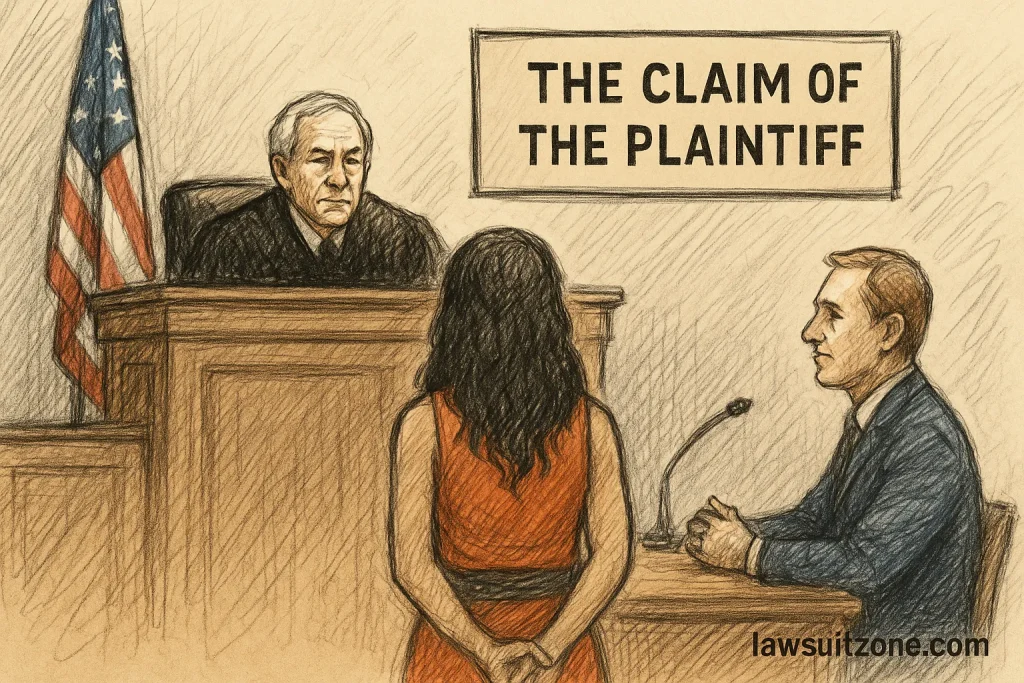
Beneath the case is an independent author and animator who claimed he wrote a screenplay decades ago that was similar to Moana. His tale, as set forth in the lawsuit, included:
- A teen island hero led by the sea.
- A demigod with special powers and a symbolic sword.
- Animal friends that symbolize friendship and bravery.
- A story that is centered on rejuvenating nature and national identity through a courageous sea journey.
He claimed that earlier he had given his work to industry contacts affiliated with Disney, so the studio’s creative department had the potential to access his work. The plaintiff demanded hefty damages — in the billions — contending that Moana and its sequel were “derivative works” of his original work.
Disney’s Defence and Response
Disney categorically rejected all claims. Its defense rested on four solid pillars:
Independent Creation: Disney’s writers designed Moana after doing years’ worth of research about culture, taking inputs from specialists from throughout the Pacific Islands to make it authentic.
No Access: The company claimed that none of their writers, directors, or producers had ever read the plaintiff’s script. Copyright infringement is impossible without access.
Generic Themes: Features such as an island environment, sea travel, and magical creatures are shared in Polynesian mythology and belong to no particular author.
Legal Timelines: The initial complaint against the 2016 movie came too late, beyond the statutory time limit for copyright cases.
Inside the Courtroom: The Legal Battle
The Disney Moana suit went as far as a federal court within the United States, where both parties laid out full-scale arguments and exhibits.
The plaintiff’s side contended that the parallels between Moana and his script were so particular that they could not have been accidental.
Disney attorneys responded with evidence indicating independent development — such as years of recorded research trips, concept art, and preliminary drafts unrelated to any outside submission.
After considering the arguments, the jury decided in favor of Disney. The judgment held that the plaintiff could not establish that Disney had access to his work, thereby bringing an end to the case of infringement.
Why “Access” Is Everything in Copyright Law
In order for a claim of copyright infringement to hold water, two elements need to be established:
- Access: The defendant ought to have had an actual chance of seeing or copying the work.
- Substantial Similarity: The works should have shared protectable creative expression and not general ideas.
Disney’s Moana lawsuit collapsed at the first hurdle. Although both works had some narrative themes in common, the court found no credible evidence that Disney’s creators had ever been exposed to the plaintiff’s material.
This points to an essential reality for all creators: regardless of how alike two pieces seem, demonstrating access is usually the most difficult and crucial aspect of any battle with copyrights.
The Wider Implication for the Film Industry
For Independent Creators
The case is a warning and a lesson:
- Register your work in advance and maintain submission records.
- Recognize that themes and archetypes (such as “hero’s journey” or “magical ocean”) are usually too general to protect.
- Be precise and document everything. Courts only protect fresh expression dialogue, sequence, and descriptive storytelling not abstract concepts.
For Major Studios
Large entertainment studios need to have precise records of creative development to establish independent creation. Cultural consultants and openness also benefit them, which can shield them from future litigation.
For Audiences and Culture
The suit also initiated debates on cultural ownership. Most Polynesian audiences enjoyed Moana for the celebration of their culture, but others were concerned about the use of indigenous heritage for commercial purposes. Irrespective of the court’s ruling, the case highlighted the value of cultural respect within world storytelling.
The Sequel’s Legal Shadow
Although the initial verdict leaned in favor of Disney, this was not the end to the controversy. The plaintiff took his case further by claiming the sequel as well, indicating that prolonged utilization of comparable characters and motifs constituted ongoing infringement.
The new lawsuit sparked renewed public debate over whether large studios can ever distinguish between inspiration and copying. While courts tend to favor studios in the absence of proof of access, such rulings continue to fuel discussion on artistic ownership.
Content Creators and Writers Takeaways
If you’re a solo filmmaker, designer, or writer, the Disney Moana lawsuit is important to learn from:
- Document your creative process: Hang on to drafts, concept art, emails, and dated copies.
- Don’t send full scripts without a non-disclosure agreement or evidence of submission.
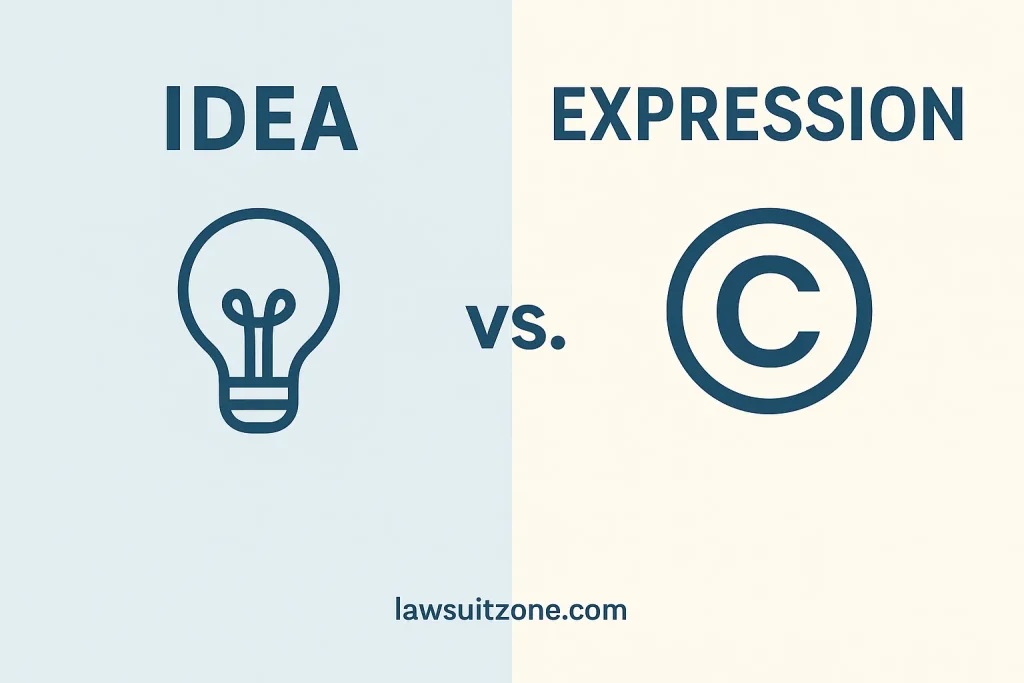
- Know the bounds of copyright: Ideas can’t be owned; only how you express them can.
- Act quickly: Legal rights may lapse if you don’t move soon.
- Stay professional: Even big studios safeguard themselves with clear creative contracts — you should as well.
What Made Moana So Special Despite the Case
Despite all the controversy, Moana is still an animation landmark for its technical skill and emotional depth. The film’s music, character depth, and depiction of cultural identity won over critics and fans globally.
It’s a reminder that inspiration is not always imitation. Tales of courage, destiny, and cultural connection are universal what makes something original is how those elements are realized through individual vision and craft.
The Role of Cultural Consultation
Disney’s creative team collaborated closely with Polynesian historians, navigators, and linguists to maintain cultural authenticity. Such collaboration reflected a wider trend in Hollywood — respecting and engaging the individuals whose heritage is being depicted.
Such an advance allowed Disney to defend its creative integrity throughout the lawsuit, proving that Moana was constructed on explicit cultural feedback instead of pilfered ideas.
The Public’s Reaction
The suit split opinion. Some felt for the author, who they perceived as a victim of larger studios taking advantage of smaller creators. Others viewed the case as an overreach a stretching to own collective mythological concepts.
Social-media debate split along those lines, yet the majority of fans stood by the franchise, seeing the case as a regrettable aside to an otherwise beloved film.
The Aftermath and What Lies Ahead
After the verdict, Disney experienced little effect on its brand. Success from the sequel proved the resilience of the studio and fans’ prolonged love for Moana.
The publicity from the lawsuit, however, prompted other studios to tighten documentation of ideas and examine submission policies. It might also affect future contracts for writers who submit ideas to big companies.
Legal Takeaways from the Disney Moana Lawsuit
- Idea vs. Expression: You can’t copyright an idea — just the particular way it’s expressed.
- Access is key: If you can’t prove someone viewed your work, your case falls apart.
- Documentation wins cases: Emails, dates, and early drafts are your best witnesses.
- Cultural research reinforces defences: Proper consultation can avoid infringement actions.
- Public opinion doesn’t equal proof in law: Emotional appeals seldom substitute for evidence.
Common Misconceptions About Copyright in Film
| Misconception | Reality |
|---|---|
| “If my idea is stolen, I win automatically.” | You need to demonstrate access and substantial similarity. |
| “Protecting copyright after release covers it all.” | Copyright protects the expression, not broad themes. |
| “Big studios always pirate ideas.” | Studios spend a lot on originality and legal protection. |
| “Similar characters constitute plagiarism.” | Only if thorough characteristics, dialogue, and stories are duplicated. |
For readers interested in learning how copyright cases like this shape global creative industries, check out this comprehensive overview on WIPO – World Intellectual Property Organization.
The Future of Creative Law in Hollywood
The entertainment business is changing. With AI, international partnerships, and online submissions, demonstrating originality will be more difficult. The Disney Moana lawsuit is a glimpse into the types of conflicts we’ll soon see more frequently.
Artists today have to navigate openness and protection. Registering your work, employing timestamped digital tools, and maintaining a traceable history of creation can protect your work while enabling you to share concepts with confidence.
Frequently Asked Questions (FAQs)
Final Thoughts
The Disney Moana lawsuit was more than a court fight it was a cultural moment about how ideas move in a globalized world. The outcome of the case reaffirmed core tenets of copyright law: originality, evidence, and respect for artistic integrity.
For artists, the message is simple: defend your work, but don’t be afraid to create. For studios, the message is a reminder to stay transparent and culturally aware. And for audiences, it’s evidence that beneath each enchanted tale is an intricate web of imagination, co-operation, and law.