Capitol Plaque Lawsuit: Complete Analysis of the 2025 Legal Battle
Introduction
The Capitol Plaque Lawsuit has quickly become one of the most symbolic cases in 2025, symbolizing much more than merely an argument about metal. It’s about acknowledgement, dignity, and memory and it points out how state institutions treat commitments made to the people who defend them.
At its core, this suit aims to force government leaders to put up at last a plaque dedicating recognition to the courageous officers who defended democracy throughout one of the most chaotic events in recent U.S. history the January 6 attack on the Capitol. This all-encompassing guide will take you through every aspect of the Capitol Plaque Lawsuit, from its genesis to its broader cultural significance. Have you checked our detailed guide on Blake Lively Lawsuit.
What Triggered the Capitol Plaque Lawsuit?
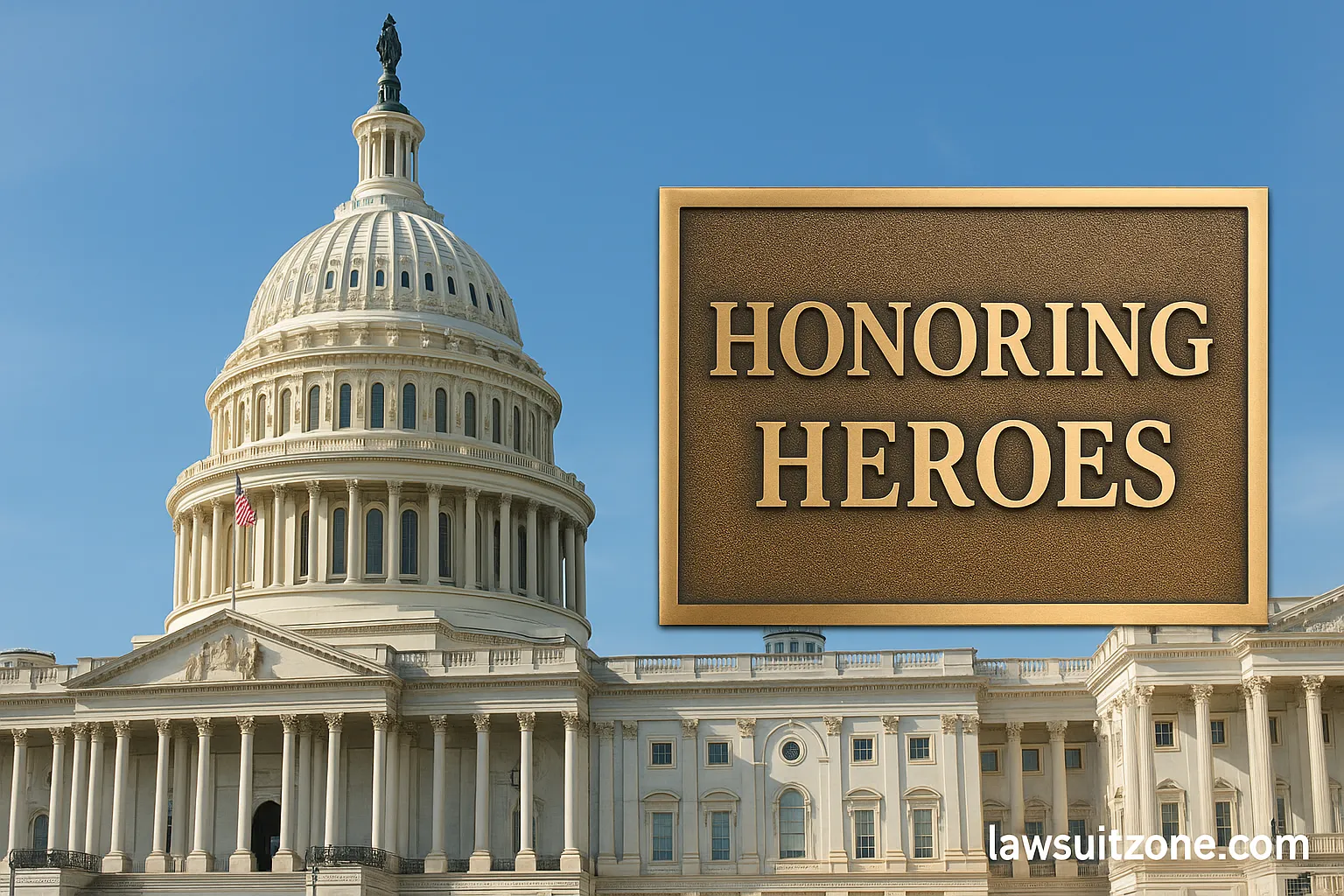
All big court cases start with a broken promise. In this case, Congress enacted a law in 2022 called the Honoring Heroes Act. It mandated the Architect of the Capitol (AOC) to place a memorial plaque in the Capitol building a tangible recognition of the officers and agencies that protected it.
But, by mid-2025, the plaque still hadn’t been installed. Why? Bureaucratic indecision, internal bickering, and political gamesmanship. Two officers, frustrated with the wait, took the matter to court. Their message was simple: a law unenforced is justice denied.
Knowing the Legal Core
In one sense, it looks like suing over a plaque is bizarre. But the Capitol Plaque Lawsuit presents something much bigger: the responsibility of government agencies to their own laws.
The plaintiffs contend that once Congress funded and authorized the memorial, the AOC could not exercise discretion to hold off on installation. The language of law employed the term “shall” rather than “may.” Legally speaking, that makes the action obligatory not voluntary.
Their lawyers assert that inaction violates both the law and the basis of equal recognition, particularly as other memorials within the Capitol have been undelayed.
Why the Case Matters
The case affects more than memorialization. It speaks to issues of justice, government transparency, and history. Here’s why it matters:
- Legal Accountability: If the government can disregard its own timelines, what does that signal for citizens?
- Cultural Symbolism: A plaque in the U.S. Capitol is more than metal it’s institutional recognition.
- Moral Responsibility: The men and women who put their lives on the line deserve better than platitudes in a speech.
- Political Neutrality: Honoring defenders of democracy should be above party politics.
The Capitol Plaque Lawsuit serves as a reminder to Americans that commemoration is more than ritual it’s a civic and moral obligation.
The Key Players in the Capitol Plaque Lawsuit
Plaintiffs
The plaintiffs are two officers who were instrumental in the defense of the Capitol. They contend that the delay is disrespectful not only to their service but also to the memory of other colleagues who were hurt or killed in the course of duty.
Defendant
The defendant is the Architect of the Capitol, a government official tasked with keeping and conserving the Capitol complex. The suit alleges that the AOC has disregarded an express statutory requirement.
Legal Representation
The officers have a legal team that consists of experts in administrative and constitutional law behind them. They are determined to establish that Congress’ words are so clear that there can’t be any leeway for interpretation the plaque needs to be put up.
Timeline of the Capitol Plaque Lawsuit
- 2022 — The Law is Passed: Congress passes the Honoring Heroes Act, directing the AOC to design and install the plaque.
- 2023 — Missed Deadline: The plaque is approved and designed but never mounted. Bureaucratic debate slows the process.
- 2024 — Mounting Frustration: Internal memos reflect ongoing argument about where to place the plaque. Political tension mounts as leadership shifts.
- Mid-2025 — Lawsuit Filed: Two officers officially file suit in federal court, calling for enforcement of the 2022 law.
- Late-2025 — Case Developments: Preliminary hearings are set in motion. The court considers motions to dismiss and assesses whether a judicial mandate may compel compliance.
Inside the Courtroom: The Legal Arguments
The plaintiffs’ legal tactic relies on administrative duty contending that once Congress passed the law, enforcement was obligatory. They’ve asked for a writ of mandamus, an uncommon court order compelling government officials to undertake a legally obligatory action.
Their argument is constructed upon four main arguments:
- Statutory Mandate: The language of the statute, “shall install,” has no room for equivocation.
- Public Interest: Citizens can reasonably expect Congress to follow the laws it enacts.
- Emotional Harm: Delay in fulfilling the defenders creates distress and public disrespect.
- Historical Precedent: Congress has always honored other service acts without such delay.
The defense, however, asserts logistical issues, design approvals, and continuing consultations warrant the delay. They contend that the court need not intrude on administrative discretion.
Behind the Scenes: Politics and Symbolism
Each suit involving the Capitol has political undertones. The pro-supporters view this as a noble struggle for acknowledgment, while the critics identify this as an unnecessary political event.
Inside the Capitol, debate about the plaque’s location and what it should look like reflects deeper ideological fault lines some groups favor a bland, unobtrusive monument, others a dramatic gesture proclaiming the day’s heroism.
It’s this kind of political gridlock that the Capitol Plaque Lawsuit attempts to cut through. By compelling the courts to act, the plaintiffs hope to overcome partisan reluctance and see to the purpose of the law being served.
Public Opinion and Media Response
Public opinion is solidly on the side of the plaintiffs. On social media, hashtags such as #HonorTheDefenders and #CapitolPlaqueNow have been trending, uniting support from both sides of the political divide.
Opinion columns contend that bureaucracy must not interfere with remembrance. For most Americans, this case represents the government’s general failure to move forward on moral mandates.
Cultural Significance: Why Memorials Matter
The Capitol Plaque Lawsuit has brought back national debate on how we commemorate sacrifice. Memorials are more than just ornament they solidify collective memory.
When a government waits, it risks rewriting history by erasure. For the officers who stood in harm’s way, that wait isn’t just bureaucratic it’s intensely personal.
Memorials have been integral to defining America’s identity from the war memorials to the civil rights markers. This plaque is no exception, and it will help future generations know the significance of January 6.
The Broader Legal Implications
Legal scholars are paying attention because this case will establish a precedent for how courts treat congressional enforcement.
If the plaintiffs win, it could have the effect of encouraging subsequent courts to require Congress or its agents to follow politically unattractive mandates. That would be a strong enforcement of accountability and a reminder that passed laws have binding force.
If the lawsuit is rejected, it could suggest that some symbolic gestures, even when legally mandated, are beyond the jurisdiction of the courts.
Emotional and Psychological Dimensions
Aside from the legal documents and briefs, there’s a profoundly emotional undertone to this case. The plaintiffs talk about feelings of abandonment of promises left unfulfilled. They’ve said that the delay makes them wonder if their sacrifices are still relevant in the national conversation.
For most officers, being recognized by the plaque is not fame it’s closure. The Capitol Plaque Lawsuit therefore becomes not just a case of law but healing and remembrance.
Potential Results of the Capitol Plaque Lawsuit
1. Immediate Installation
The court may decide in favor of the plaintiffs and issue an immediate order for installation of the plaque.
2. Compromise or Settlement
The AOC could settle for a completion schedule to sidestep lengthy litigation.
3. Dismissal
If the court finds the matter “non-justiciable” that is, not for the courts the case may be dismissed.
4. Extended Appeals
Either party could appeal the decision, keeping the case going through appeals courts and further delaying resolution.
Influence on Future Legislation
The Capitol Plaque Lawsuit decision may shape the way that Congress writes future memorial or recognition legislation. Legislators may opt for more specific language, funding stipulations, or oversight provisions to help ensure compliance.
It should also encourage public institutions to assume a larger role in making symbolic but not unimportant gestures quickly, before trust in the promises turns to distrust.
How This Lawsuit Reflects on Society
This case in many respects reflects the national dialogue that continues regarding remembrance, unity, and truth. The plaque a humble thing is an acknowledgment that democracy was defended, not assumed.
The bravery of the officers, and now this legal action, remind Americans that a devotion to truth sometimes includes fighting against complacency.
A Symbol Beyond Politics

Perhaps the strongest element of this case is its ability to bring Americans together. While much of the political sphere remains segregated, the Capitol Plaque Lawsuit is an appeal for a common act of appreciation.
It’s not a matter of party or ideology; it’s a matter of recognizing courage. It’s a matter of realizing that the defense of democracy needs solid, concrete recognition.
Lessons for Citizens and Legislators
- Accountability Must Be Reciprocal: Legislation must constrain everyone even legislators and bureaucrats.
- Symbolism Affects Memory: Dismissing memorials is essentially wiping out history.
- Justice Can Be Ethical, Not Only Legal: Courts can implement the letter and spirit of the law.
- Persistence Creates Change: Symbolic causes can become landmark precedents when pursued boldly.
Final Thoughts
The Capitol Plaque Lawsuit sums up the conflict between promise and performance between what is stated in law and what is accomplished in reality.
It’s a reminder that democracy isn’t just defended in times of crisis; it’s also preserved in the quiet search for truth, fairness, and remembrance. Regardless of whether this case results in victory or delay, it already has compelled an important conversation regarding accountability and respect for those who serve.
Finally, this lawsuit is not about a plaque it’s about how a country decides to commemorate the people who stood between chaos and democracy. And that, above all else, will define how history remembers us all.