SHEIN Lawsuit 2025: Allegations, Facts, and Consumer Rights
Introduction
The SHEIN lawsuit has fueled one of the fiercest debates in recent fashion history. Famous for its viral TikTok hauls and super-cheap clothes, SHEIN amassed a huge empire overnight. But beneath the bright branding is a deepening whirlwind of lawsuits from claims of design copying to allegations of consumer fraud.
This briefing summarizes all you need to know about the SHEIN lawsuit where it began, what is at issue, who is impacted, and how it is changing the fast-fashion industry. Have you checked our detailed guide on Sierra Mist Lawsuit.
What Is the SHEIN Lawsuit?
The SHEIN lawsuit is the term given to a number of ongoing law suits brought against global fashion giant SHEIN (officially named Zoetop Business Co. Ltd.). The suits contain allegations of:
- Plagiarizing independent designers’ original creations.
- Deceptive marketing and influencer tactics.
- Violations of consumer-protection and import regulations.
Most lawsuits contend that SHEIN’s incredible production pace — frequently rolling out thousands of fresh designs each week — could have resulted in cutting corners in checking originality and transparency.
Note that these suits are not criminal charges; they are civil claims seeking compensation and responsibility from the firm.
The Rise of SHEIN — From Startup to Global Phenomenon
Starting in 2008, SHEIN developed from a little online boutique in China to a billion-dollar fashion giant shipping to more than 150 countries. The success of the brand was fueled by:
- Data-driven design: SHEIN uses search trends and social interaction to anticipate what customers will buy.
- Ultra-fast supply chain: Designs go from idea to production in a mere 7 days.
- Aggressive influencer marketing: Social-media influencers power the brand’s viral visibility with try-on videos and affiliate links.
But this lightning-speed business model also formed the basis of the ensuing legal controversies.
Why Did the SHEIN Lawsuit Start?
The lawsuit arose from a mix of ethics, law, and creativity issues all related to how the brand acquires and sells its products.
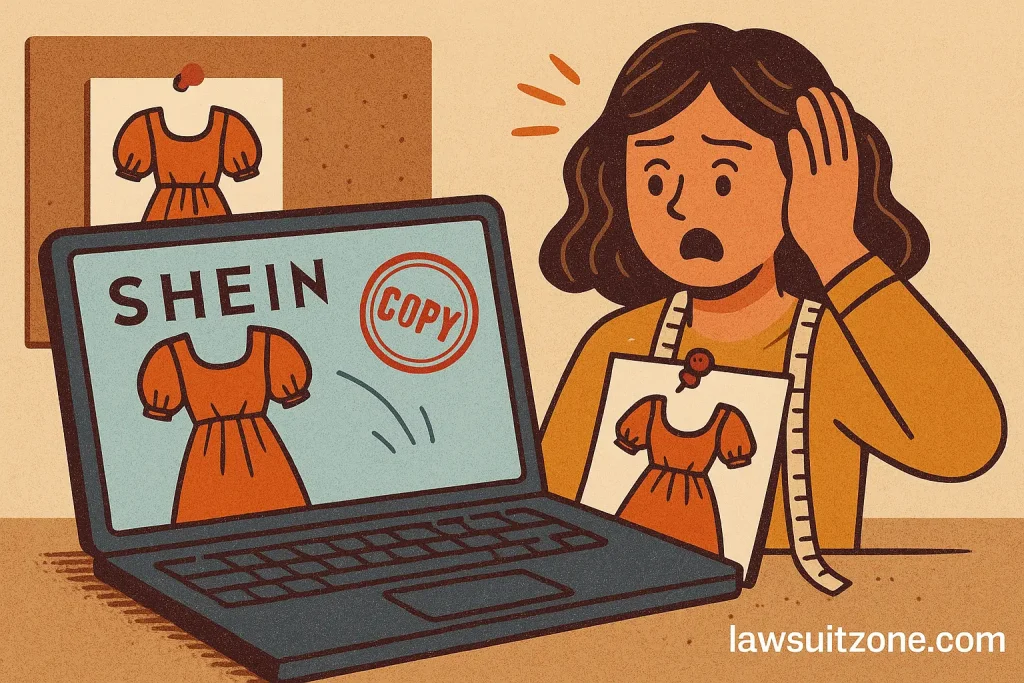
1. Alleged Design Infringement
Independent designers and small companies allege that SHEIN copied their designs without permission or payment. A few designers posted side-by-side photos online comparing their work and SHEIN’s listings.
2. Influencer and Marketing Transparency
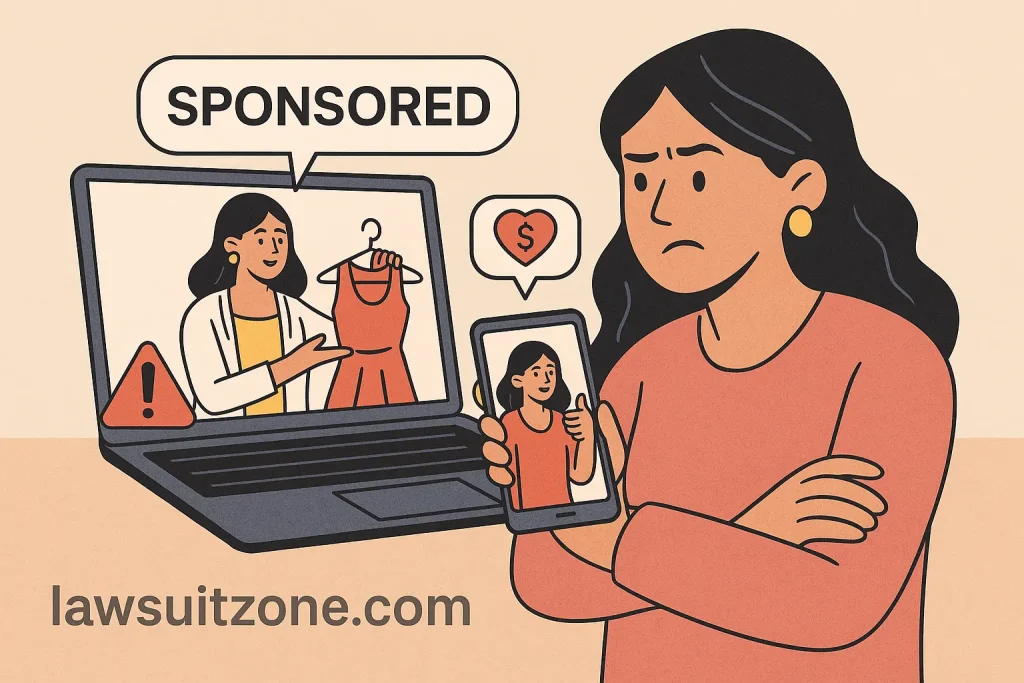
SHEIN is also under fire regarding paid influencer partnerships. Lawsuits allege that influencers did not properly disclose partnerships in accordance with FTC guidelines on advertising transparency.
3. Consumer-Protection Concerns
Customers have charged SHEIN with deceptive product descriptions, secret shipping charges, or delayed refunds. Although these are not life-or-death complaints, they do test truth-in-advertising regulations.
Timeline of the SHEIN Lawsuit
| Year | Significant Event |
|---|---|
| 2018–2020 | This round of designers starts making online complaints about replicated patterns. |
| 2021 | This batch of lawsuits appears in California and New York for copyright infringement. |
| 2022 | This round of consumer-protection lawsuits appears for product labeling and influencer disclosure. |
| 2023 | This round of U.S. and European regulators starts investigating SHEIN’s data and trade practices. |
| 2024–2025 | Cases continue pending, with some settlements and new suits being brought. |
This ongoing chronology illustrates how one controversy grew into a wider industry wake-up call.
Who Can Join the SHEIN Lawsuit?
If any of the lawsuits become class-action status, possible participants may be:
- Designers or artists whose intellectual property has been allegedly replicated.
- Consumers who had misleading product descriptions or refund issues.
- Influencers or affiliates caught up in misrepresentation claims due to vague contracts.
Participation is based on the individual lawsuit, purchase or contract date, and evidence of damages.
Possible Results and Compensation
The lawsuits might result in a number of different outcomes:
- Monetary Settlements: Qualified claimants could be paid cash refunds or losses in compensation.
- Policy Changes at the Corporate Level: SHEIN may need to revise its marketing terminology and procurement practices.
- Disclosure Mandates: Court rulings might require increased supply-chain transparency.
- No Liability Ruling: When courts lack sufficient evidence, cases can close without punishment.
Outcome notwithstanding, the SHEIN lawsuit already has an impact on consumer perception of fast fashion and digital commerce morals.
SHEIN’s Official Response
SHEIN has officially denied any wrongdoing in the majority of the cases. The company insists that it:
- Utilizes independent suppliers and asserts respect for intellectual-property rights.
- Has internal review mechanisms to address infringement complaints.
- Complies with international advertising and consumer-protection standards.
SHEIN’s officials have also said that lawsuits typically arise from “misunderstandings regarding supply partners,” rather than deliberate violations.
In spite of its declarations, public discourse has moved toward more responsibility in fast-fashion supply chains.
Why the SHEIN Lawsuit Matters
For Consumers
The lawsuit inspires consumers to ask themselves where their clothing is made and if claims made in marketing are true. It’s a reminder that affordable fashion tends to have secretly-added costs — ethical, legal, or environmental.
For Creators
Independent designers view the case as a milestone for safeguarding creative ownership in the era of digital design and AI-created products.
For Corporations
The SHEIN lawsuit establishes how openness and genuineness have become essential to brand credibility. In the age of social media, a single viral lawsuit can erase years of reputation establishment.
Legal & Ethical Lessons
- Transparency is not an option: People reward candor and penalize silence.
- Quick doesn’t equal sloppy: Businesses need to authenticate sourcing prior to bulk producing designs.
- Influencer decency counts: Sponsored collaborations have to abide by FTC disclosure guidelines.
- Compliance with the law is ongoing: The law changes — brands need to keep evolving continuously.
For official advertising compliance resources, visit the U.S. Federal Trade Commission (FTC).
SHEIN Lawsuit Myths That Won’t Die
Myth 1: SHEIN is prohibited or closed down.
Reality: The business still operates worldwide while dealing with pending lawsuits.
Myth 2: All SHEIN products are illegal or unsafe.
Fact: The lawsuits are aimed at design and marketing concerns, not product safety.
Myth 3: Customers receive money back automatically.
Fact: There is compensation only after settlements or established damages.
Myth 4: Lawsuits imply the brand is culpable.
Fact: Allegations need to be established in court; settlements don’t always constitute admission of fault.
Broader Industry Impact
The SHEIN lawsuit is shaping the way fashion giants handle sustainability, marketing, and ethics. Rivals such as Zara, Fashion Nova, and Temu are now reassessing their own IP and advertising practices.
It also marks a trend towards digital accountability — where screenshots, online reviews, and influencer contracts can be used as evidence in courts of law.
As laws play catchup to the dynamics of online shopping, brands will require more robust compliance teams and moral governance to uphold consumer confidence.
Frequently Asked Questions (FAQs)
Final Thoughts
The SHEIN lawsuit is not only a business court fight it’s a cultural shift. It illustrates how shoppers in this day and age value ethics, truth, and transparency at least as much as they do price and fashion.
For consumers, it’s an invitation to pause and consider the origins of what they’re buying.
For companies, it’s a reminder that unaccountable marketing can make success translate to scandal.
As the fast-fashion space continues to change, one rule remains: authenticity is now luxury.
Disclaimer
This post is informational in nature and is not considered legal advice. For individualized advice, seek out a licensed attorney.