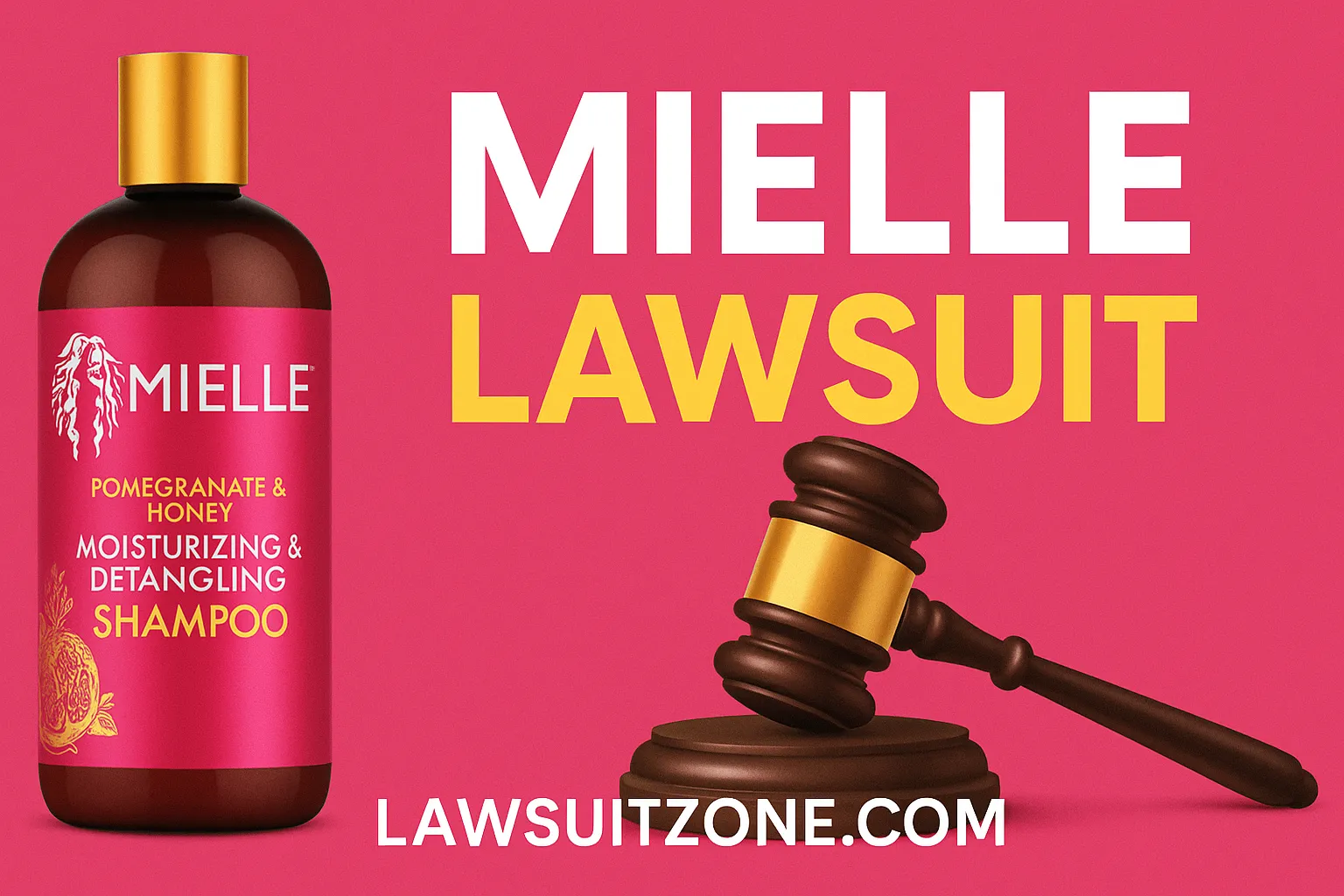
Mielle Lawsuit: Everything Consumers Need to Know for 2025
Introduction: When Beauty Brands Get Put Under the Limelight
The Mielle lawsuit has become a buzz in beauty forums, TikTok videos, and even mainstream media. For most women particularly those with textured or curly hair Mielle Organics has not only been a brand but a go-to partner in haircare.
That’s why the lawsuit doesn’t only raise legal issues it upends the very foundation of consumer–company trust. People are wondering: Were we deceived? Were our voices not heard? Or is this merely the cost of fast growth in the beauty world?
This article goes deep into the tale: what ignited the Mielle lawsuit, what it holds for everyday consumers, and how it might transform the haircare industry. Have you checked our detailed guide on Celsius Lawsuit.
Mielle Organics: From Kitchen Start-Up to Storefront Giant
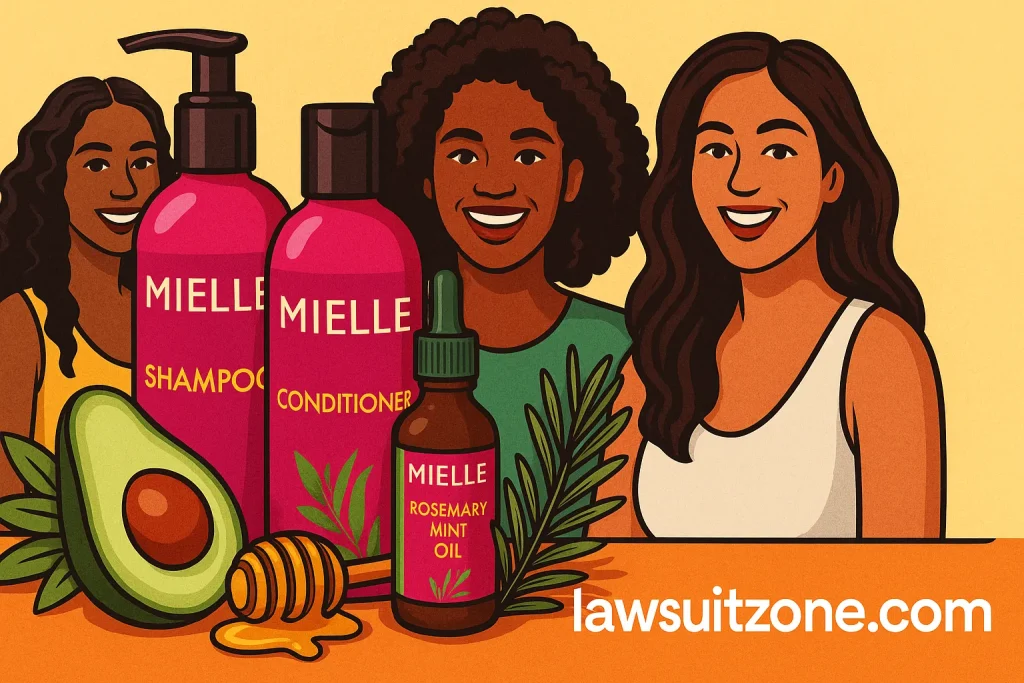
Mielle Organics came into being with a purpose to bridge a void in the world of beauty where women of color largely felt ignored. Established in 2014, the brand vowed to deliver natural, scientifically-backed products formulated with ingredients that cared for textured hair.
Social media assisted the brand in growing quickly. Influencers posted about the products, moms shared reviews, and before long, Mielle’s pink-and-gold packaging filled the shelves of big-box retailers Target and Walmart.
But as the business grew, so did criticism ultimately giving rise to the mielle lawsuit.
Why Do Beauty Brands End Up in Court So Frequently?
To put the present storm into perspective, let’s step back a bit. Beauty companies get sued a lot for a few familiar reasons:
- “Natural” Labeling Gone Wrong – Claiming products are natural or organic when there’s synthetic stuff on the inside.
- Adverse Reactions – Baldness, scalp scorching, or sudden texture alterations.
- Overpromising in Ads – Promises not living up to actual outcomes.
- Community Backlash – Blunders in advertising, particularly when companies venture out from the original loyal base.
The mielle lawsuit welds together a number of these usual hot buttons, so it is a particularly high-profile case.
The Spark: How the Mielle Lawsuit Started
The scandal started under the radar. Some customers griped about sudden side effects irritation on their scalps, dryness, or breakage. Others bristled at labeling that emphasized “natural” or “organic” features, when the ingredient lists contained synthetic additives.
And then social media. TikTok clips went viral when influencers posted negative testimonies and cautioned viewers to be cautious. Collective outrage took shape in weeks from individual grievances.
What could have been dismissed as isolated cases ballooned into a class-action case: the mielle lawsuit.
Allegations of the Mielle Lawsuit: Breaking It Down
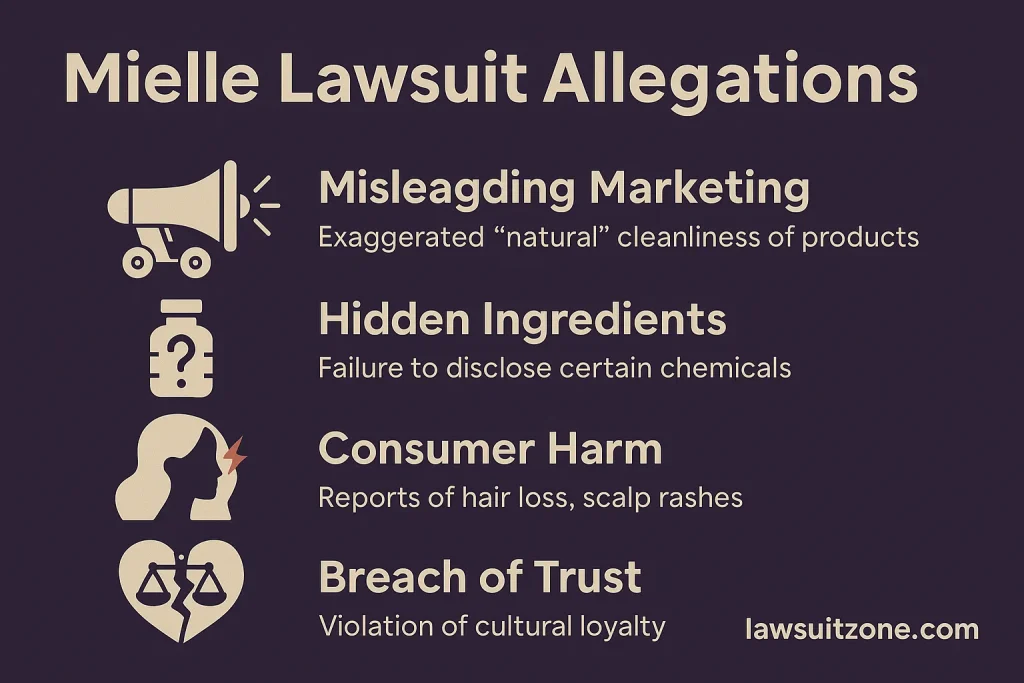
1. Misleading Marketing
The complaint contends Mielle Organics overemphasized the natural cleanliness of its products. “Natural” and “organic” statements did not match chemical inclusions on the ingredient list.
2. Concealed Ingredients
Consumers claim the company neglected to showcase certain preservatives and artificial substances raising issues of transparency.
3. Consumer Harm
Accounts for hair loss, scalp rashes, and adverse texture alterations especially trying for those who used Mielle because of its good reputation.
4. Violation of Cultural Trust
This is easier to quantify in court but loud in consumer chatter. A lot of women felt betrayed by a brand that based its reputation on serving the Black haircare community.
Behind the Scenes: How the Case is Proceeding
Legal fights are never fast, and the mielle lawsuit is no exception. Here’s how it’s going:
- Filing Stage: Consumers united in a class-action structure.
- Preliminary Review: Judges reviewed whether the complaints were valid.
- Discovery: Attorneys delve into company files, internal correspondence, and test results.
- Settlement Talks: Beauty lawsuits end in settlement most of the time, with payment or refund to consumers.
- Possible Trial: If settlement doesn’t work, the case might go to a jury.
The Human Impact: Why Consumers Feel Betrayed
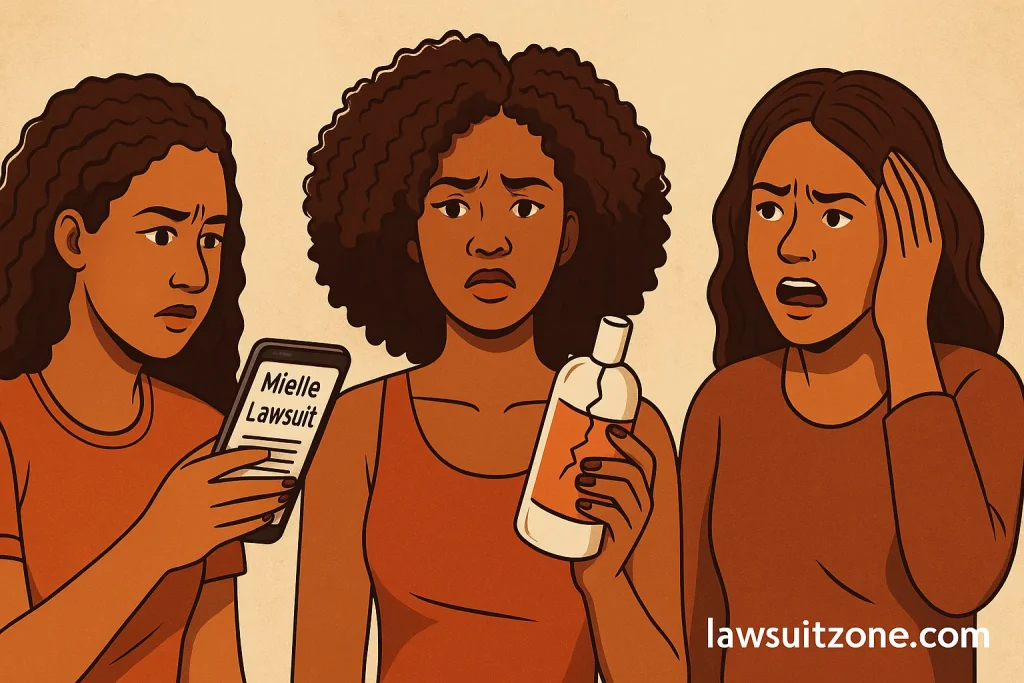
The mielle lawsuit is not about chemicals or packaging it’s about trust. For a lot of women, Mielle was one of the first brands that directly addressed their concerns. When that connection is violated, it hurts.
Some customers report being angry, others are upset, and some are just unsure if they should continue to use their beloved products. This emotional factor makes the lawsuit larger than pennies and dollars.
What This Means for the Beauty Industry
In case consumers succeed in the mielle lawsuit, the impact could spread to the overall haircare industry:
- Labels will be held to stricter standards.
- Brands might need clearer ingredient testing.
- Marketing will move from dreamy slogans to verifiable claims.
Other companies are paying close attention because what becomes of Mielle might establish a precedent for them as well.
Consumer Protection: Know Your Rights
Regardless of the outcome of the lawsuit, consumers are protected under American law. Regulators such as the Federal Trade Commission (FTC) enforce truth in advertising and hold companies responsible for false claims.
If you have been damaged by a product, you can:
- Report to the FTC.
- Participate in class-action suits.
- Seek medical and legal counsel for damages.
The mielle lawsuit serves as a reminder that these protections count.
Lessons for Shoppers: What You Can Do
- Look Beyond Labels – Don’t trust “organic” or “natural” labels in isolation.
- Check Reviews – Get advice from other consumers prior to new product experimentation.
- Patch Test First – Test hair or skincare products first before using them completely.
- Track Product News – Be aware of recalls or lawsuits.
The mielle lawsuit illustrates that being a smart purchaser is one of the greatest defenses.
Comparisons: Other Lawsuits That Shook the Beauty World
The Mielle case is not an anomaly. Here are a few more like it:
- DevaCurl Lawsuit: Shoppers reported hair loss and damage due to curl products.
- WEN Haircare Lawsuit: Hundreds reported scalp burns and hair breakage.
- Johnson & Johnson Talc Lawsuits: Years-long suits regarding supposed cancer danger.
The mielle lawsuit is another on this list, highlighting a trend of consumer distrust in beauty advertising.
Possible Results of the Mielle Lawsuit
What’s next?
- Settlements: Shoppers get money.
- Reformulation: Mielle alters ingredients or name.
- Loss of Reputation: Sales and loyalty suffer long-term.
- Legal Precedent: Courts impose more rigorous standards for marketing description.
FAQs on the Mielle Lawsuit
Final Thoughts: Why the Mielle Lawsuit Matters
Essentially, the mielle lawsuit isn’t really about shampoo or conditioner. It’s about truth, cultural sensitivity, and accountability. It is a demonstration of how powerful consumers can be if they insist on better.
For Mielle Organics, the situation could be a turning point — a chance to regain trust, correct errors, and rebrand itself as the partner it intended to be. For consumers, it’s a reminder that our voices count.
In 2025 and onwards, the beauty world will have to practice what they preach. Labels have to fit actions, promises have to deliver results, and brands have to treat consumers as not only purchases but as partners.