Celsius Lawsuit: Consumer Rights and Industry Impact
Celsius Lawsuit: Consumer Rights and Industry Impact
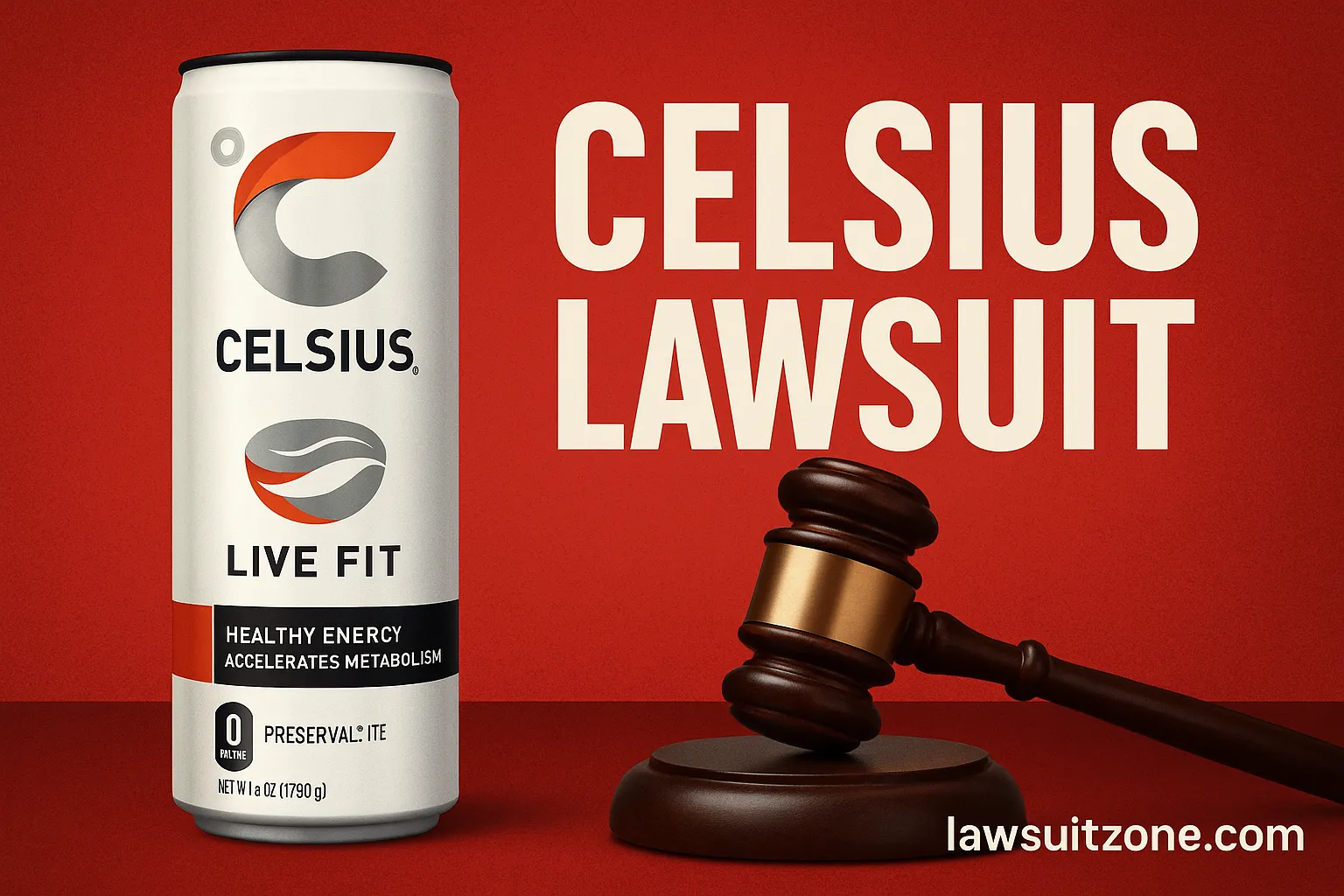
If you’ve ever cracked open a can of Celsius before heading to the gym or work, you’ve probably been drawn in by the promises on the label: no sugar, clean energy, clinically proven benefits. But behind the branding lies a growing legal storm one that has made the Celsius lawsuit a hot topic in both courtrooms and kitchens.
It’s not necessarily about this one energy drink. It’s about where today’s wellness products balance marketing hype and consumer confidence. And in 2025, that balance is being scrutinized more sharply than ever. Have you checked our detailed guide on Walmart Defamation Lawsuit.
A Quick Look Back: Celsius and Its Meteoric Rise

Celsius did not come out of nowhere. When it came out, timing was everything. Customers were fed up with old-school energy drinks such as Monster and Red Bull, which were frequently attacked for being sugary and full of artificial stuff.
Celsius offered the “better-for-you” option. Its message was clear:
- No sugar
- Thermogenic formula to burn calories
- Fitness-oriented image coupled with influencers and athletes
- Hip flavors that appealed to Gen Z and millennials
The outcome? Meteoric expansion. By 2022–2023, Celsius was more than another beverage on the shelf—it was a cultural icon, appearing on TikTok clips, gym selfies, and even boardroom tables.
But because in so many ways popularity creates a spotlight on the details…
Why Beverage Lawsuits Happen So Often
Before we dig deeper into the Celsius lawsuit, let’s back up. Food and beverage businesses have been battling in courtrooms for decades. The most frequent reasons?
- Outlandish health claims – promising more than the product will deliver.
- Labeling loopholes – words like “natural” or “preservative-free” usually ignite controversy.
- Consumer deception – when marketing builds expectation that doesn’t hold up to reality.
Short and sweet: lawsuits occur when the tale on the can fails to hold up to what is contained.
What Triggered the Lawsuit Over Celsius
At its core, the lawsuit is this: Did Celsius deceive consumers?
According to plaintiffs, yes. Celsius advertised its beverages as “preservative-free,” yet contained on its ingredient list citric acid, widely recognized as a preservative.
To an attorney, that might read like a clear-cut case of deceptive advertising.
To a consumer, it’s betrayal.
This wasn’t an isolated gripe. Several consumers reported, and class-action lawyers soon consolidated the cases into a larger lawsuit.
Allegations Against Celsius
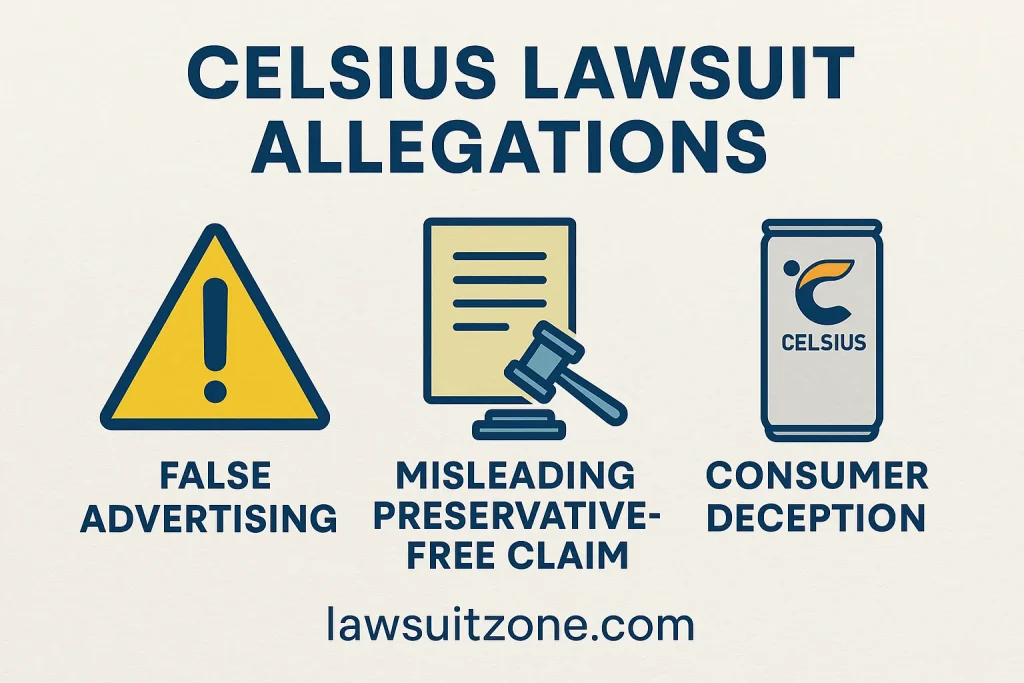
The suit against Celsius lists a few fundamental allegations:
- False advertising: Claims made did not reflect reality.
- Deceptive labeling: Ambiguity regarding whether citric acid is a preservative.
- Unjust enrichment: Premium prices paid due to its “clean” reputation.
- Targeting vulnerable audiences: Fitness aficionados and health-conscious consumers were purportedly deceived.
Whether or not these accusations stand in court rests on legal terminology and scientific interpretations. But in the court of public opinion, image counts just as much.
Inside the Courtroom: How the Case Is Playing Out
Similar to most class-action suits, the Celsius case plays out according to a known beat:
- Filing: Lawyers collect grievances from consumers.
- Discovery: Both sides share information marketing strategies, test results, internal e-mails.
- Negotiation: Most cases settle prior to trial to prevent bad publicity.
- Resolution: Might be refunds, rebranded labels, or stricter compliance regulations.
Thus far, Celsius has held its ground on its practices, noting that citric acid can have functions other than preservation. But whether that subtlety will persuade a judge or consumers is another matter.
Why Consumers Care
For most people, lawsuits like this ask everyday questions:
- Will I get a refund? If the case settles, consumers who purchased Celsius might be entitled to compensation.
- Is it safe to drink? Yes nothing indicates Celsius is unsafe. The battle is over marketing and labeling, not safety of the product.
- Can I trust the brand again? That will depend on how Celsius handles it. Transparency and accountability will go a long way in terms of building back trust.
Bigger Picture: The Ripple Effect on the Industry
The Celsius lawsuit isn’t isolated. It’s part of a larger trend: regulators and consumers pushing back against “wellness washing.”
If Celsius must alter labels or settle for millions, rivals will sit up and take notice. Alani Nu, Bang, and other functional beverage brands will come under pressure to:
- Reassess marketing language
- Be more explicit about ingredients
- Desist from relying so heavily on vague terminology such as “all natural” or “clinically proven”
Lessons for Everyday Shoppers
This case has some very useful takeaways:
- Always check the ingredient list. Don’t just read the colorful front label.
- Question fuzzy assertions. Terms such as “clean” or “healthy” typically do not have legal definitions.
- Monitor news from reputable sources such as the Federal Trade Commission (FTC)
- Save receipts. They may be needed if class-action settlements provide refunds.
Taking control, consumers can save both their wallets and their trust.
A Glance at Comparable Lawsuits
History indicates Celsius is not alone.
- Red Bull (2014): Paid $13 million after “Red Bull gives you wings” was found to be misleading.
- Vitaminwater: Sued for marketing sweetened beverages as healthy.
- Naked Juice (PepsiCo): Forked out $9 million for its “all natural” assertions.
Each of these instances eroded the foggy line between smart marketing and baiting consumers. The Celsius case continues that trend.
What Could Be Next
A few likely possibilities hang in the balance:
- Settlement: More likely, with customer refunds and promises to revise labels.
- Trial: Less typical, but would provide strong media scrutiny.
- Industry shake-up: Tighter standards for the entire energy drink industry.
FAQs Regarding the Celsius Lawsuit
Final Thoughts: Why This Case Matters
When it comes down to it, the Celsius lawsuit isn’t about one drink—it’s about what happens between brands and consumers. Trust is the ultimate currency in contemporary consumer culture. When trust is breached, lawsuits ensue.
Whether you’re a daily Celsius drinker or simply an observer, this case highlights a timeless truth: companies owe their customers honesty. And in a world where marketing can be louder than facts, vigilance is the consumer’s best defense.
✅ All extra spacing is rem