OMG Girlz Lawsuit: Complete 2025 Guide for Fans & Industry
When news of the OMG Girlz lawsuit began trending, dedicated fans of the energetic girl group were left stunned. To many, the OMG Girlz weren’t merely performers they were a cultural force, defining music, fashion, and teenage identity in the 2010s. Now, their legacy is entangled with a court fight that raises significant questions concerning identity, ownership, and equity in the entertainment business.
This article is your complete guide to the lawsuit. We’ll cover the group’s history, the allegations, the legal process, industry impact, and why it matters not only to fans but also to the future of music and pop culture. Have you checked our detailed guide on Hawthorne Residential Partners Lawsuit.
Who Are the OMG Girlz? A Cultural Flashback
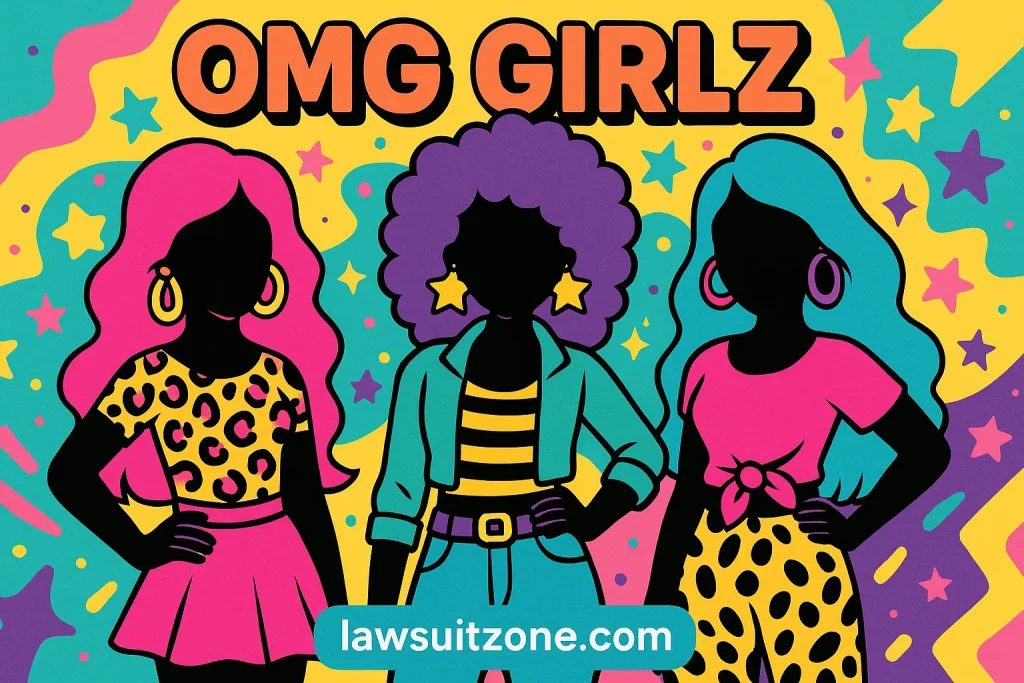
The OMG Girlz (short for Officially Miss Guided) debuted in 2009, created by Tameka “Tiny” Harris (of Xscape fame).
The group lineup:
- Zonnique Pullins (Star): Child of Tiny Harris and rapper T.I., best known for her charm and vocal power.
- Bahja Rodriguez (Beauty): Adored for her powerhouse vocals and self-assurance.
- Breaunna Womack (Baby Doll): Best known for her playful energy and stage presence.
What they were known for was not only music but their daring style: neon wigs, funky fashion, and inspiring lyrics about individuality. To many young listeners—particularly Black girls—the OMG Girlz embodied freedom of expression.
What Ignited the OMG Girlz Lawsuit?
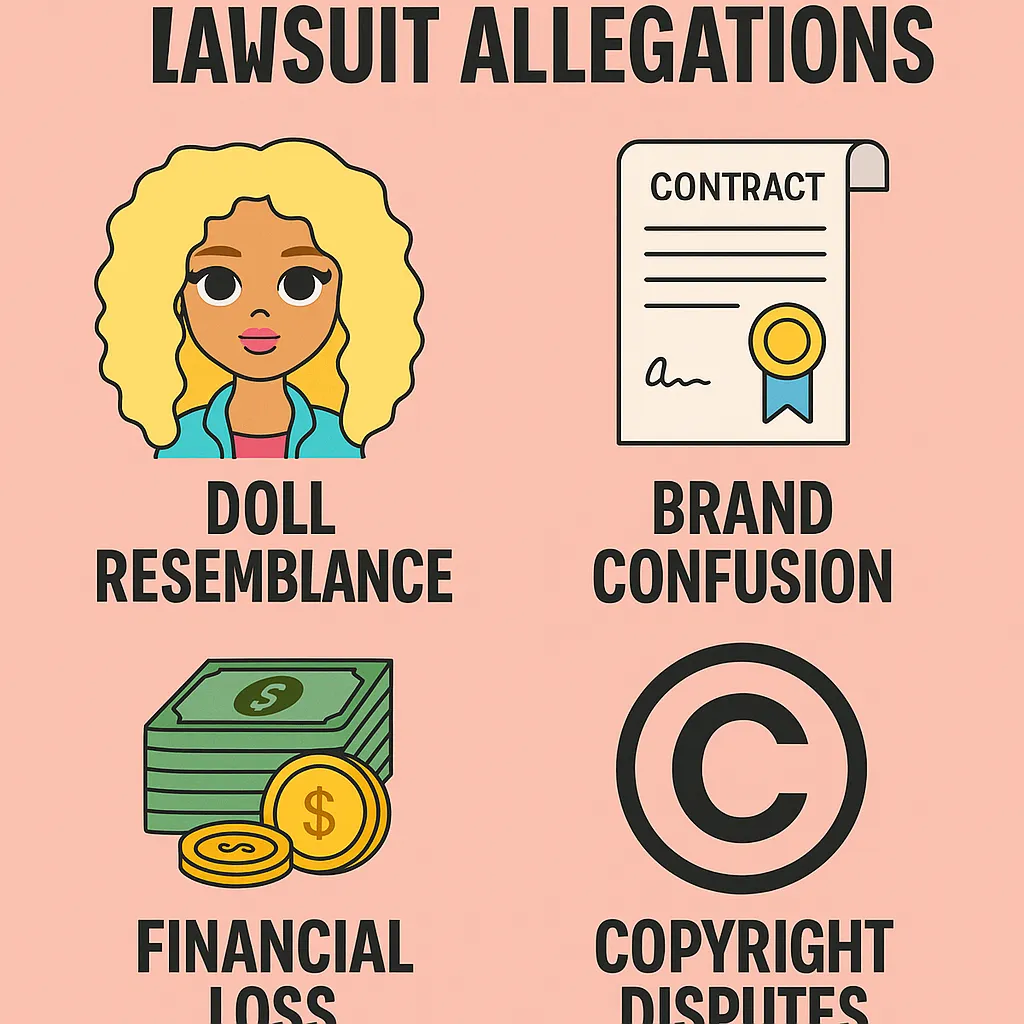
The OMG Girlz lawsuit centers on intellectual property rights in particular, if toy dolls and merchandise infringed upon their distinctive look without authorization.
The Core Issues
- Doll Resemblance: OMG Girlz-looking dolls were introduced that replicated their bold hair colors, trendy clothes, and sass-filled face.
- Brand Confusion: Parents and fans thought the dolls were official group merchandise.
- Financial Loss: The group contends they lost revenue since their image was used without licensing or royalties.
For artists who spend years building a brand, it’s not just about the money—it’s about owning identity.
Why Lawsuits Like This Matter
A cursory glance might make it seem like “just a doll issue,” but the stakes are enormous.
- For Artists: It’s about protecting their image and making sure they profit from their work.
- For Consumers: It keeps fans from being duped into purchasing unofficial merchandise.
- For the Industry: It demystifies where creativity stops and exploitation starts.
The OMG Girlz lawsuit is a subset of a bigger battle artists engage in during the digital and merchandising age.
OMG Girlz Lawsuit Timeline
- 2009–2015: OMG Girlz become famous with chart-topping hits such as Gucci This (Gucci That) and Where the Boys At?. Their appearance becomes iconic.
- 2015–2017: The group breaks up, yet their cultural impact remains.
- 2017–2019: Fans are seeing comparisons between doll lines and the group’s aesthetic. Rumors begin.
- 2020–2022: Tiny Harris and others publicly call out the dolls for resembling the OMG Girlz.
- 2023: The lawsuit is officially being brought.
- 2024–2025: Case proceeds with hearings, media controversy, and industry gossip.
Inside the Legal Process
Entertainment lawsuits tend not to be straightforward. The OMG Girlz lawsuit is based on three central legal questions:
- Similarity: Are the dolls very similar to the group’s style and appearance?
- Intent: Did the companies intentionally draw inspiration from OMG Girlz?
- Damages: To what extent was financial and reputational damage inflicted?
Courts balance evidence such as side-by-side comparisons, consumer surveys, and expert testimony.
Potential Legal Consequences
- Settlement: The most typical outcome—silent financial settlement.
- Court Ruling for OMG Girlz: May establish precedent for protecting likeness.
- Court Ruling for Defense: Would restrict the way rights of likeness are used in merchandising.
OMG Girlz and Family Reactions
Tameka “Tiny” Harris, who helped form the group, has been outspoken. She argues this is not about greed but about principle—ensuring artists aren’t taken advantage of by big corporations.
Fans have rallied online with hashtags like #JusticeForOMGGirlz, proving their loyalty hasn’t faded. Social media has become a powerful tool, drawing more attention to the case than traditional media alone.
The Human Element: Effect on Artists and Fans
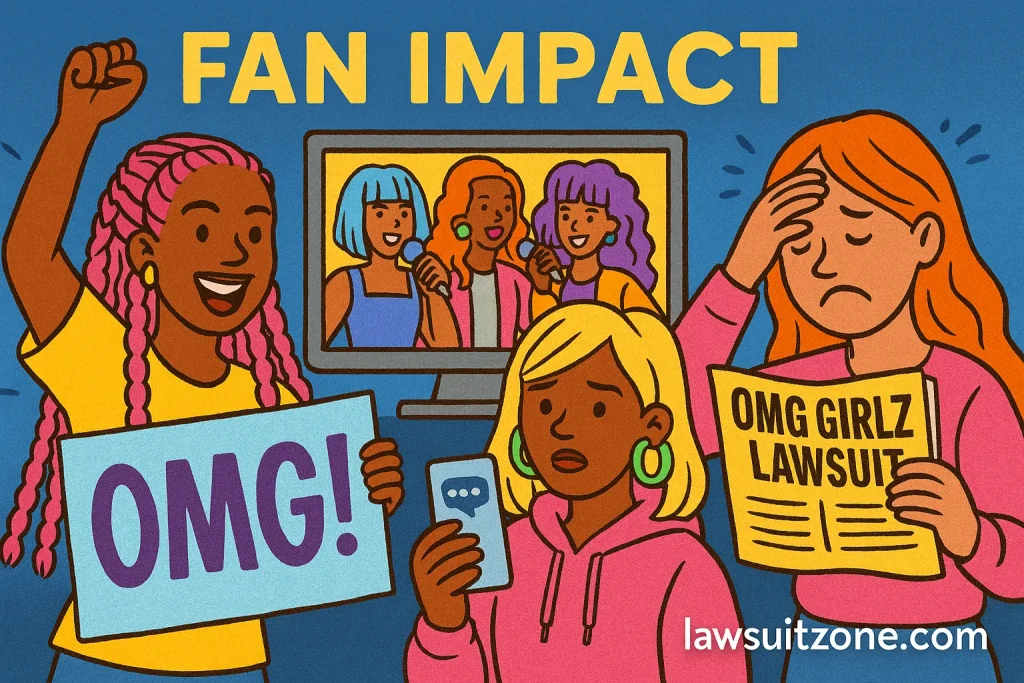
The OMG Girlz lawsuit cuts deeper than paperwork. For a lot of fans, the group was a childhood legend. Having their look ripped off without acknowledgement is disavowal.
- For young Black girls: OMG Girlz represented representation. Losing control of that image hurts.
- For artists: It’s a cautionary tale if you don’t secure your brand legally, you can lose it.
- For fans: It’s a reminder that not all “inspired” products help the actual creators.
Industry Implications
This case might change the way companies behave toward celebrity-inspired products.
- Toy Companies: Could be held to stricter standards when designs are close to actual people.
- Record Labels: Could tighten their contracts to preserve artists’ likenesses.
- Artists: Might feel more empowered to sue when their image is improperly used.
In short, the OMG Girlz lawsuit might alter the business of fame.
Similarities With Other Lawsuits
This suit isn’t in a vacuum. History has seen many similar struggles:
- Beyoncé vs. Gate Five: For a video game based on her likeness without a deal.
- The Kardashians: Many suits defending their image and brand.
- Michael Jackson’s estate: Constant battles over unauthorized likeness use.
Each case highlights that celebrity image is a valuable asset.
Cultural Context: Why This Suit Matters
The OMG Girlz lawsuit has resonated because it crosses over into bigger concerns:
- Representation: The work of Black women is emulated without recognition.
- Ownership: Young creatives should be afforded the same rights as legacy talent.
- Justice: Equity in who gets paid from creativity is important to creators and fans.
This isn’t a court case—it’s about preserving culture.
Potential Future Developments
Industry players and fans are observing closely. Some possible conclusions are:
- Big Settlement: With payouts and licensing agreements.
- Public Court Win: OMG Girlz may be a legal precedent case.
- Dismissal: Which would anger fans and restrict subsequent claims.
- Industry Reforms: Firms might introduce stricter policies to prevent lawsuits.
Lessons of the OMG Girlz Lawsuit
- Artists: Trademark your name, look, and style early on in your career.
- Fans: Back official merchandise to defend your favorite artists.
- Companies: Give respect to originality—stealing without credit comes with a price.
Readers’ Trusted Source
If you want to know how trademarks and likeness rights actually function, visit the United States Patent and Trademark Office (USPTO). It’s a trustworthy, high-authority source of information on intellectual property.
OMG Girlz Lawsuit FAQs
Final Thoughts
The lawsuit of OMG Girlz is more than a law case it’s a cultural lightning rod. It is how fame, creativity, and business intersect in the entertainment industry today.
For the fans, it serves as a reminder of the group’s lasting legacy. For artists, it’s a reminder to lock up their brand in law. For business, it’s a caution: be true to originality or risk having to pay.
No matter the outcome of the case in settlement or landmark win, one thing certain is: the OMG Girlz are still making their mark on culture this time not in song, but in justice.