AI Image Generation in Professional Contexts: What Lawyers and Legal Professionals Need to Know
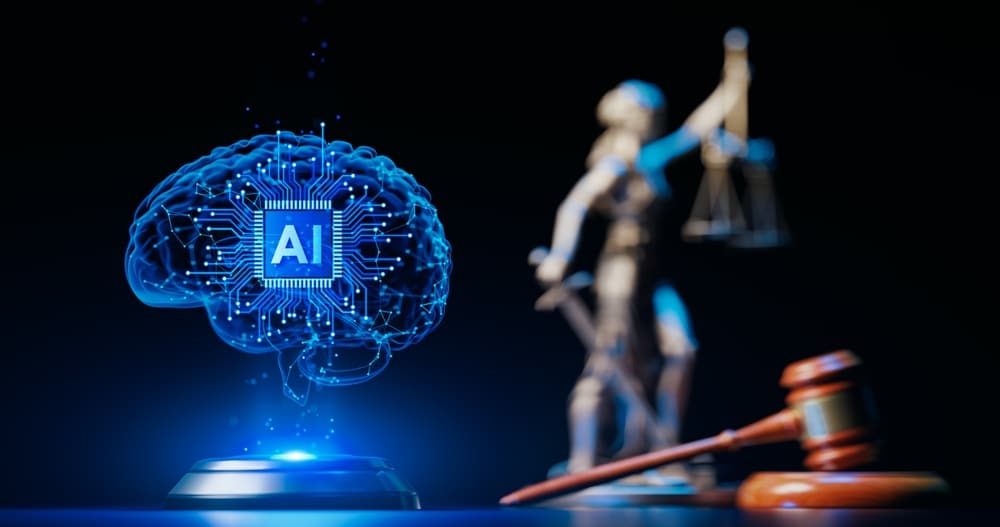
Artificial intelligence is reshaping professional services at a pace that demands attention. Legal professionals, accustomed to deliberate analysis of emerging issues, are now grappling with a particularly fast-moving corner of AI: image generation. Whether the question is about advising clients on AI-related copyright disputes, evaluating the use of AI tools internally, or understanding the evidentiary implications of AI-generated imagery, legal professionals have legitimate reasons to understand this technology.
This article provides a practical overview of AI image generation — what it is, how it works, and the key legal and professional considerations it raises.
What AI Image Generation Is
AI image generation refers to the use of machine learning models to produce images from text descriptions. A user types a prompt describing what they want to see, and the AI produces a corresponding image — often within seconds. The results can be photorealistic, stylized, abstract, or anywhere in between, depending on the model and the prompt.
These tools are trained on large datasets of images and associated text, allowing the models to learn relationships between visual concepts and language. The most widely used commercial platforms are accessible through web browsers and require no technical expertise to use.
For legal communications, firm marketing, and professional content production, these tools offer meaningful efficiency advantages. For legal analysis, they raise important questions that remain largely unresolved.
Copyright and Intellectual Property Issues
The most pressing legal questions around AI image generation involve copyright. Several issues are simultaneously active in courts and legislatures:
Does AI-generated content qualify for copyright protection? In the United States, the Copyright Office has taken the position that works produced purely by AI — without sufficient human creative input — are not copyrightable. However, the line between “AI-generated” and “human-created with AI assistance” remains ambiguous and is actively being defined through case law and regulatory guidance.
Does training AI models on copyrighted images infringe copyright? Multiple lawsuits have been filed against AI image generation companies, alleging that training models on copyrighted images without license or compensation constitutes infringement. These cases are working their way through courts and have not yet produced definitive precedent.
Who owns the output of AI image generation? If a user generates an image using an AI tool, questions of ownership involve the user, the platform, and potentially the creators whose work informed the model’s training. Platform terms of service address this to varying degrees, but the underlying legal questions remain contested.
Legal professionals advising clients in creative industries, technology companies, or content-related businesses should be developing views on these questions now, as client needs will only grow as AI tools become more prevalent.
Evidentiary and Authenticity Concerns
AI image generation creates a new category of challenge for legal professionals: AI-generated images that purport to depict real events, people, or conditions. As generative models become more capable, the difficulty of distinguishing AI-generated images from genuine photographs increases.
This has direct implications for evidentiary practice. Questions that arise include:
- How should courts handle photographic evidence that may have been AI-generated or AI-altered?
- What standards of authentication apply to digital images in an era of generative AI?
- What obligations do parties have to disclose when submitted images were generated or modified using AI?
These questions are particularly relevant in litigation involving insurance claims, personal injury, and any context where photographic evidence of conditions or events is material.
Defamation and the Right of Publicity
AI image generation also raises concerns around defamation and the right of publicity. Generating realistic images of real, identifiable individuals — depicting them in false or damaging situations — may give rise to defamation claims. Using the likeness of individuals (particularly public figures) in commercial AI-generated imagery may violate right of publicity laws, which vary significantly by state.
Legal professionals should advise clients using AI image generation tools in commercial contexts to understand these risks and develop appropriate policies and review processes.
Practical Use Within Legal Practice
Beyond the legal issues that AI image generation raises, there are legitimate and useful applications within legal practice itself:
Litigation graphics: AI tools can help produce illustrative graphics that help juries understand complex concepts, timelines, or physical conditions. These should be clearly disclosed as AI-assisted illustrations rather than factual representations.
Marketing and business development: Law firms produce substantial amounts of marketing content — website imagery, event graphics, thought leadership articles. AI image generation tools like Invideo’s ai image generator and Picsart’s ai image generator offer a cost-effective way to produce professional visuals for these purposes without the expense of custom photography or stock licensing.
Training and education materials: Producing visual content for CLE materials, internal training, or client education is another practical use case where AI tools can reduce production time and cost.
When using AI tools internally, law firms should also develop usage policies that address client confidentiality (prompts should not include confidential client information), data security, and the accuracy and reliability of AI outputs.
Writing Effective Prompts for Legal Contexts
For legal professionals experimenting with AI image generation, the quality of results depends heavily on prompt quality. Legal communication tends to value clarity and precision — these same qualities improve AI image prompts. A useful resource for developing this skill is this guide on writing effective AI prompts, which explains the mechanics of prompt construction in accessible terms.
For legal-specific image generation, prompts should typically specify:
- The specific subject matter (a courtroom, a contract document, a meeting between professionals, etc.)
- The desired visual style (professional photography, clean illustration, formal aesthetic)
- What the image should communicate (fairness, expertise, trustworthiness)
- Technical specifications (aspect ratio, background color)
Regulatory Developments to Watch
The regulatory landscape around AI-generated content is evolving rapidly. Several developments are worth tracking:
The EU AI Act includes provisions relevant to AI-generated content, including transparency requirements and rules around deepfakes. US state legislatures are advancing bills addressing disclosure requirements for AI-generated content, particularly in political advertising. The FTC has issued guidance indicating that AI-generated content used in advertising must comply with the same truth-in-advertising standards as other content.
Legal professionals advising clients in media, advertising, or technology should be monitoring these developments closely.
Final Thoughts
AI image generation is not a passing trend — it’s a technology that is becoming embedded in creative, commercial, and professional workflows at scale. Legal professionals who understand it well are better positioned to advise clients on the risks and opportunities it presents, anticipate evidentiary challenges it may create, and use it appropriately in their own practice.
The appropriate first step is education. Understanding what these tools actually do — not just reading about them theoretically, but experimenting with them directly — provides the practical foundation for more sophisticated analysis.
read more : How Do You Start an LLC and What Are the Key Steps Involved?