Car Hauler Fires on I-10 Near Valencia: What Tucson’s Recent Crashes Reveal About (2023-2025)
Every driver who has passed through southern Arizona on I-10 knows how wide and open those roads feel. You can see for miles. So when a massive car hauler catches fire near Valencia Road in Tucson, it does not just block traffic; it shocks the whole corridor. Between 2023 and 2025, this stretch of highway has seen a troubling pattern of car hauler incidents that raise real safety questions for anyone driving through the region.
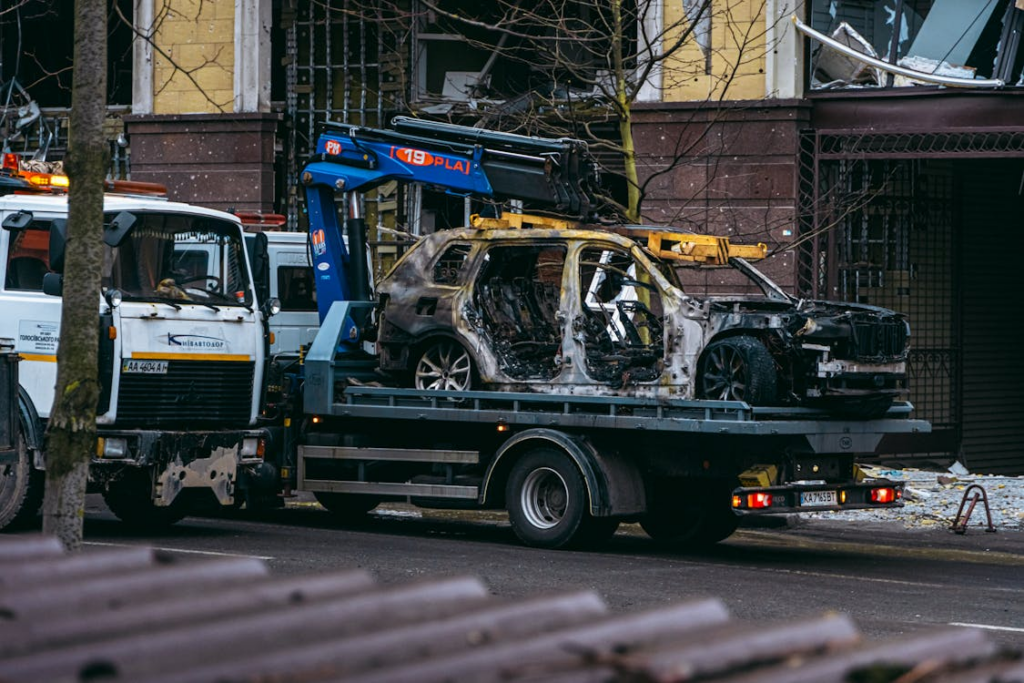
What Happens When a Car Hauler Catches Fire
A car hauler is one of the heaviest and most complex vehicles on any highway. It carries multiple vehicles stacked on metal decks, along with fuel tanks, hydraulic systems, and tie-down chains. When something goes wrong: a brake failure, a tire blowout, a fuel leak, the fire does not stay small for long. The vehicles loaded on the trailer become fuel themselves.
On I-10 near Valencia Road, first responders have repeatedly dealt with this exact scenario. A fire that starts in one vehicle spreads across the entire load within minutes. The heat becomes intense enough to melt steel components and damage the road surface. Once a car hauler is fully involved in flames, the priority shifts from saving the cargo to keeping other drivers alive.
| The smoke alone creates a visibility hazard that stretches far beyond the immediate crash zone. Drivers approaching from east or west may have only seconds to react before they are inside a wall of black smoke with no clear lane to follow. |
Why Valencia Road Keeps Showing Up in Crash Reports
Valencia Road sits at a heavily trafficked interchange on I-10 in the Tucson metro area. It connects industrial zones, warehouses, and distribution hubs to the main highway corridor. That means commercial trucks, including car haulers, enter and exit at this location constantly throughout the day and night.
The grade changes in this section of I-10 put extra strain on braking systems. A loaded car hauler coming off an elevated section carries enormous momentum. If brake pads are worn or if the air brake system has any pressure issues, slowing down becomes a serious challenge.
Combine that with Arizona’s heat, which degrades rubber components faster than in cooler states, and you have a location that regularly tests the limits of heavy truck maintenance. Data from the Arizona Department of Transportation reports and news coverage from 2023 through 2025 show this area generating a disproportionate number of commercial vehicle incidents compared to other Tucson interchanges, a pattern that often leads injured victims to seek guidance from an experienced truck accident lawyer.
Patterns That Emerge Across Three Years of Incidents
Looking across 2023, 2024, and into 2025, a few clear patterns stand out in the Tucson I-10 corridor crash data involving car haulers.
- Pattern 1 · Peak Hours
Morning hours and late afternoon consistently show the highest incident rates, when drivers are pushing delivery windows, or fatigue is setting in after hours on the road.
- Pattern 2 · Pre-existing Wear
Many fires and crashes involve vehicles showing signs of mechanical stress beforehand. Tire debris found at multiple scene points points to delayed maintenance cycles missed before departure.
- Pattern 3 · Response Gaps
When fires break out, TDOT and Tucson Fire response averages 6–11 minutes from initial reports, long enough for a car hauler fire to become a multi-vehicle hazard.
Efforts to improve pre-positioning of fire response equipment near high-risk interchange points have been discussed at the state level following several of these incidents.
How Drivers Can Protect Themselves on This Stretch
Knowing this area has a documented history of car hauler incidents should change how you approach this section of I-10.
| Keep your distanceAdd 3–4 extra seconds of following distance behind any car hauler. They cannot stop quickly at 80,000 lbs. | Watch for wheel smokeBrake smoke from any wheel position on a hauler is a serious warning sign. Increase the distance immediately. | Never stop watchingIf a hauler is actively on fire, move past if traffic allows. Fuel tank explosions can send debris across multiple lanes. |
If you cannot move past an active car hauler fire, create as much distance as possible in place. Crouch below your dashboard if you are unable to move; debris and shockwaves travel fast.
What Carriers and Regulators Are Doing About It
Arizona state officials have pushed for more frequent commercial vehicle inspection checkpoints on I-10 near Tucson since 2023. The Federal Motor Carrier Safety Administration has also increased audit activity for carriers operating high-frequency routes through southern Arizona.
Carrier adoption of safety upgrades (2023–2025)
| Thermal monitoring | 62% |
| Tightened pre-trips | 78% |
| Driver fatigue alerts | 45% |
Progress is slow; however, the combination of enforcement pressure, technology adoption, and driver awareness is gradually shifting conditions on this road for the better. Some carriers have already added thermal monitoring systems to their trailer braking components, which can alert drivers to overheating before a fire starts.
| I-10 near Valencia is not uniquely cursed; it is a high-traffic industrial corridor under intense heat, carrying vehicles that demand more maintenance than many carriers provide. Until inspection standards catch up with road reality, the best protection any driver has is awareness. Know the stretch. Know the signs. Give those haulers room. |
FAQs
Q1: What should I do if I see a car hauler on fire while driving on I-10 near Valencia?
Answer: If you see a car hauler actively on fire, try to move past it if traffic allows. Fuel tank explosions can send debris across multiple lanes, so increase your distance immediately. If you cannot move, create as much distance as possible in place and crouch below your dashboard to protect yourself from debris or shockwaves.
Q2: Why are there so many car hauler incidents on I-10 near Valencia?
Answer: The area around Valencia Road is heavily trafficked and has steep grade changes that put extra strain on the braking systems of loaded car haulers. Combined with Arizona’s heat, which degrades rubber components faster, this stretch of highway faces a high number of incidents due to mechanical stress and maintenance issues.
Q3: What can drivers do to protect themselves from car hauler fires on I-10?
Answer: To protect yourself, keep an extra 3 to 4 seconds of following distance behind any car hauler, watch for wheel smoke, which indicates brake issues, and remain alert. If you see signs of an active fire, move past or create distance from the vehicle.
Q4: Are there any efforts to improve safety for car haulers on I-10?
Answer: Yes, Arizona state officials have been advocating for more frequent commercial vehicle inspection checkpoints on I-10, and the Federal Motor Carrier Safety Administration has increased audit activity for carriers on high-frequency routes. Additionally, some carriers are adopting safety upgrades like thermal monitoring systems to alert drivers of overheating before a fire starts.
read more : How Do You Start an LLC and What Are the Key Steps Involved?