Hawthorne Residential Partners Lawsuit: 2025 Full Tenant Guide
Introduction
The Hawthorne Residential Partners lawsuit has become a hot topic of legal conflict in the rental housing market. For years, residents of apartments operated by Hawthorne Residential Partners (HRP) complained about excessive rent increases, unanswered requests for repairs, and discriminatory treatment of security deposits. In 2025, those complaints have coalesced into an actual legal fight that may redefine tenant protections in several states.
For renters, this case is more than simply statistics on a court document. It is about actual families who sensed themselves trapped by escalating housing expenses and ignored by property managers. To landlords and corporate property managers, the case is a reminder that accountability and transparency are not a choice anymore they are the key to survival in the current housing climate.
This article takes the lawsuit apart piece by piece: who Hawthorne Residential Partners is, why the lawsuit happened, the particular claims, how a class-action works, actual tenant anecdotes, wider market ramifications, and what renters and landlords can learn from it. Have you checked our detailed guide on Amerian Hartford Gold Lawsuit.
Hawthorne Residential Partners: Company Background
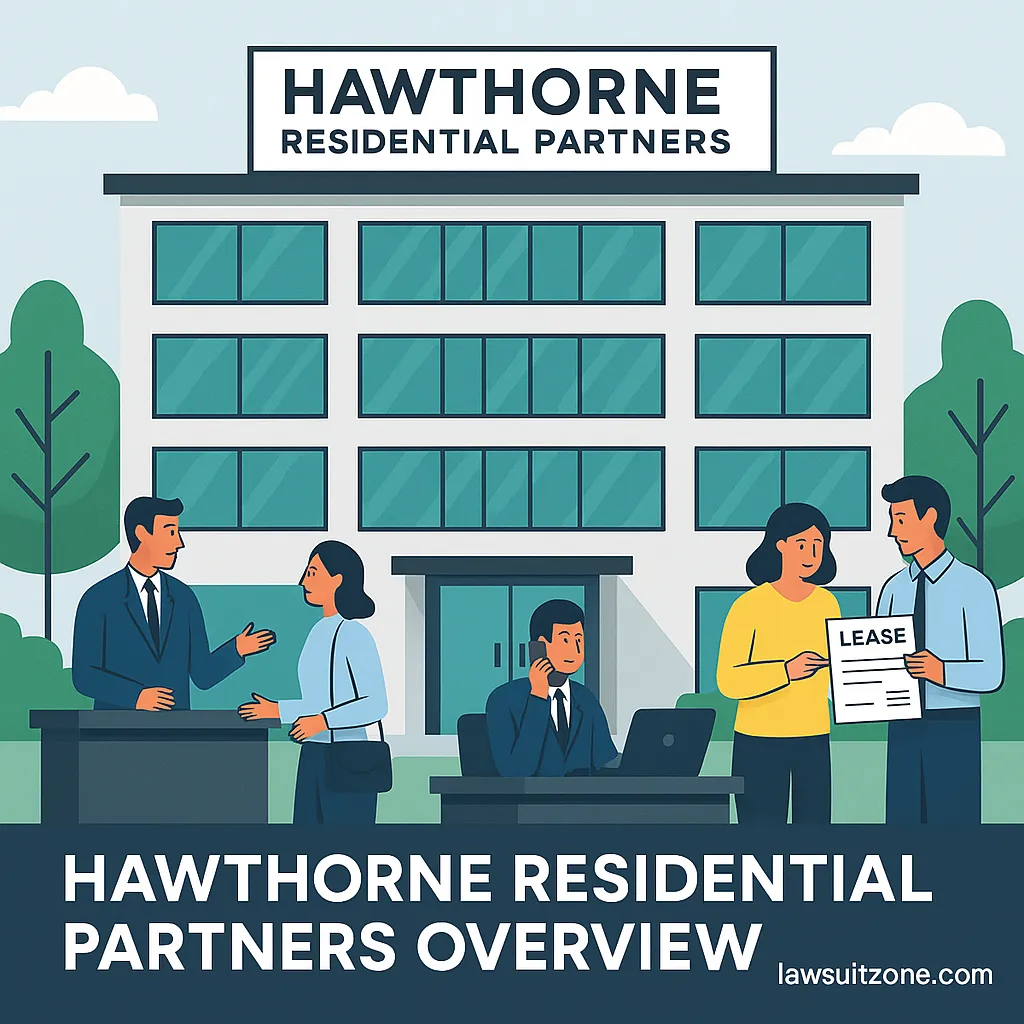
Established in 2009 in Greensboro, North Carolina, Hawthorne Residential Partners began as a local property management firm but soon expanded into being one of the largest apartment operators in the Southeast. With more than 175 communities today as of 2025, HRP operates in states such as North Carolina, South Carolina, Georgia, Tennessee, and Virginia.
Business Model
Hawthorne positions itself as providing “modern living with a sense of community.” Its communities typically feature:
- Fitness centers and pools.
- Pet amenities such as dog parks.
- Clubhouses, business centers, and common spaces.
The branding of the company attracts young professionals, expanding families, and retirees seeking convenience and community at a reasonable price.
But under the shiny branding, numerous tenants claim another reality. Rather than stability and service, they assert they were met with unexpected rent increases, poor maintenance follow-throughs, and combative methods when trying to get their concerns heard.
How the Lawsuit Began
The roots of the Hawthorne Residential Partners lawsuit were sown over the course of years as frustration among tenants mounted. Disjointed complaints about rent hikes or maintenance delays may not have been alarming in themselves, but collectively they disclosed a trend.
- 2018–2021: Online complaint sites and tenant forums started filling with the same types of complaints regarding increasing rents, inattentive management, and disputes over deposits.
- 2022: North Carolina and Tennessee legal aid organizations observed an increase in tenant complaints about HRP.
- 2023: Lawyers started collecting cases, tracking evidence of discriminatory practices in more than one state.
- 2024: Multiple tenants sued, and the lawsuits were consolidated into a class-action case.
- 2025: Courts are currently considering certification of the class action, potentially covering thousands of tenants.
The class action escalation from single complaints indicates how prevalent and structural the supposed problems could be.
Precise Allegations in the Lawsuit
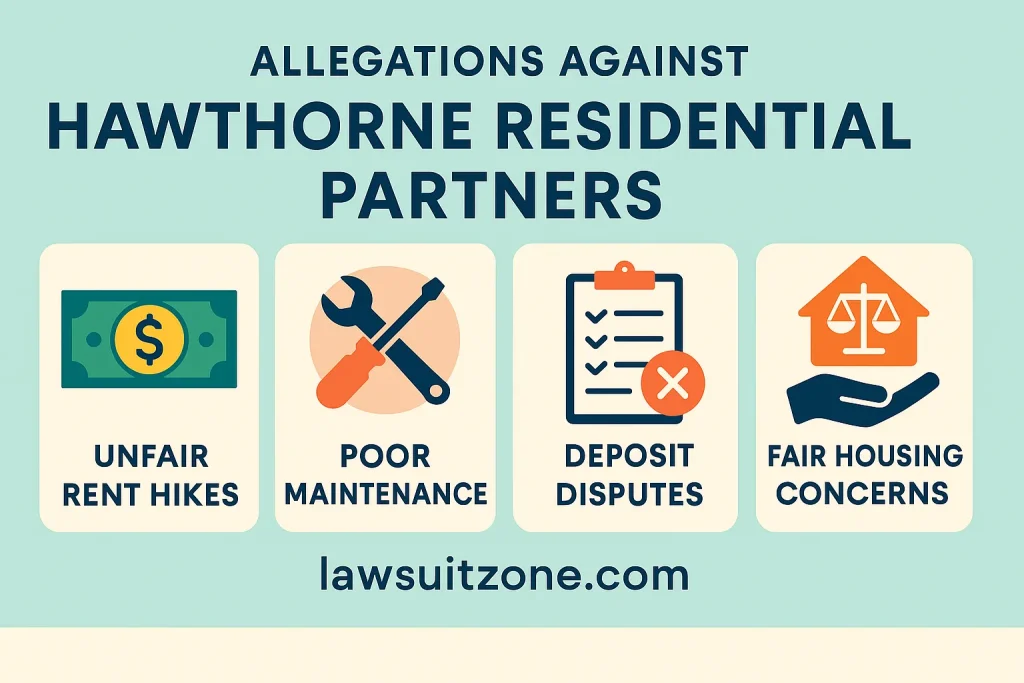
1. Excessive Rent Hikes
Renters allege Hawthorne charged rent increases significantly higher than local market levels, even boosting monthly rent by $200–$400 with no justifiable reason.
💬 “I adored my apartment, but one year they increased rent by almost $350. I had no option but to sign up again because moving was unaffordable,” explained one Charlotte resident.
2. Neglect of Maintenance
Neglect of maintenance is one of the most potent allegations in the lawsuit. Tenants complain of such things as:
- Mold infestations that remained untreated for months.
- HVAC failures during intense heat or cold.
- Leaky plumbing that destroyed property and was ignored.
Others claim these problems breached the “implied warranty of habitability,” a minimum legal requirement for landlords to supply safe, habitable housing.
3. Abuses of Security Deposits
Security deposits, intended to pay for actual damage, became a point of contention. Tenants allege HRP:
- Charged for “general wear and tear.”
- Withheld deposits without offering an itemized list, which is mandatory under law.
- Deducted exorbitant fees for cleaning or repairs that were never done.
4. Fair Housing Issues
Some of the most serious allegations include claimed violations of the Fair Housing Act. Tenants complain that they are refused reasonable accommodations for disability or are discriminated against based on family status and other protected classes.
Allegations, if substantiated, could result in significant penalties and federal regulation.
Legal Framework: Tenant Rights
Renting from HRP or any other firm, U.S. tenants are shielded by an array of federal and state legislation. Some of the essential rights are:
- Right to Habitable Housing – landlords have to keep safe, habitable units.
- Right to Timely Repairs – necessary services such as heat, water, and plumbing have to be kept up.
- Right to Security Deposit Transparency – deductions have to be justified with documentation.
- Right to Equal Treatment – discrimination is not allowed by landlords under the Fair Housing Act.
For a complete guide to tenant rights, go to HUD.gov, the official website of the U.S. Department of Housing and Urban Development.
How Class Actions Work
The class action suit of Hawthorne Residential Partners is continuing as one suit by several tenants pooling their cases together.
Steps in the Process
- Class Certification – A judge determines whether tenants’ experiences are common enough to be brought together.
- Discovery – Both parties collect and exchange evidence, such as maintenance records, lease documents, and tenant complaints.
- Settlement Talks – The majority of class actions resolve with negotiated settlements without the need for lengthy trials.
- Trial (if necessary) – If the case does not get settled, it goes to court.
This process provides tenants with more bargaining power over big corporations, as legal fees are split and combined evidence is more effective.
True Tenant Stories
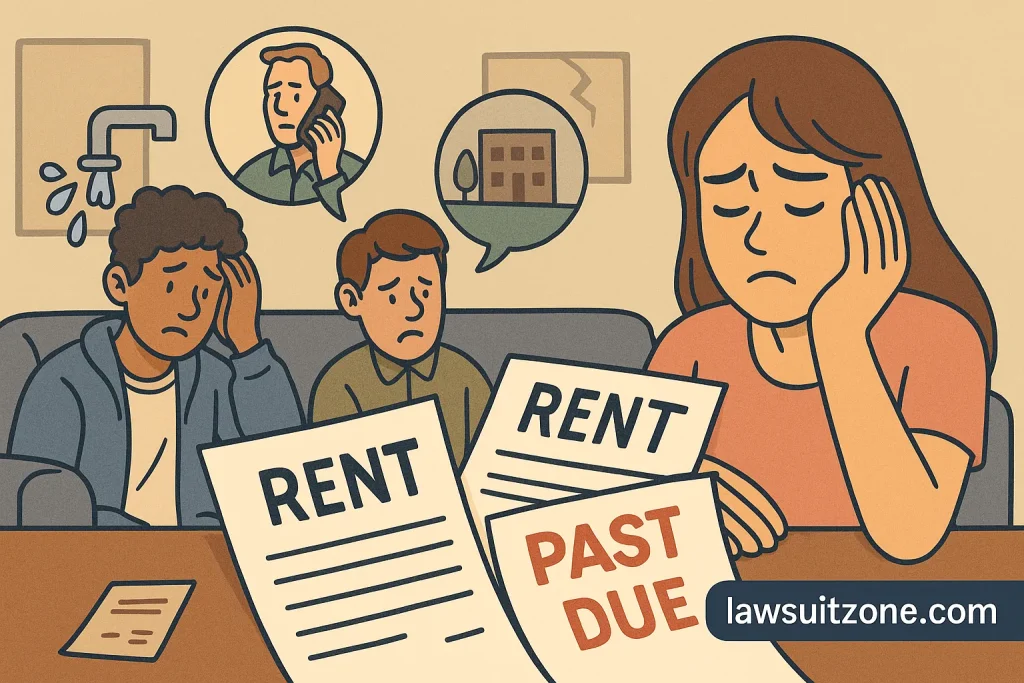
There is nothing that defines the stakes like tenant stories.
- “We sent more than 10 maintenance requests for mold. They checked them off as ‘completed’ every time but nobody ever showed up.” – Old Atlanta tenant.
- “When I left, they charged $1,000 to install carpet that was five years old.” – Tenant in Raleigh.
- “I requested an accommodation due to my disability, but they denied it. It was humiliating.” – Tenant in Tennessee.
- “My rent increased $400 in a year. I couldn’t afford to relocate, so I felt trapped.” – Current tenant in Charlotte.
These anecdotes reveal the human face of what could otherwise be a dry legal fight.
Wider Housing Market Consequences
Corporate Landlord Surge
In much of the country, rental housing is becoming less small, local landlords and more big business. While these firms offer efficiency and professionalism, their residents are often treated like statistics instead of individuals.
Affordability Crisis
Rents throughout the state have increased more rapidly than wages. Class suits such as this bring attention to the burden placed upon renters and can encourage lawmakers to pass more robust rent protections.
Legal Precedents
If renters win, the case could:
- Strengthen the laws requiring deposits to be returned.
- Make clearer the restrictions on rent hikes.
- Make greater penalties for neglect of repairs.
Lessons for Tenants
- Document Everything – Take photos, save emails, and copy requests for repair.
- Know Your Lease – Read the fine print regarding deposits and rent hikes.
- Use Legal Aid – Tenant advocacy organizations can assist when things get out of hand.
- Speak Up Early – Make complaints to housing authorities before matters escalate.
Lessons for Landlords
This lawsuit also teaches lessons for property managers:
- Transparency and honest communication avoid conflicts.
- Ignoring maintenance is not only immoral—it’s against the law.
- Handling deposits in a sloppy way provides lawsuits with grounds.
- The Fair Housing Act must be followed, not just wished for.
Frequently Asked Questions
Final Thoughts
The Hawthorne Residential Partners lawsuit is more than a single company’s legal woes. It is a symbol of a greater battle over affordability, accountability, and fairness in rental housing.
For tenants, the message is strong: know your rights, document everything, and don’t shy away from pushing back against unfair treatment. For landlords, the case is a wake-up call that neglecting tenant concerns can come with multimillion-dollar repercussions.
As the case develops in 2025, its decision may redefine the relationship between corporate landlords and tenants—and impact housing law for decades to come.