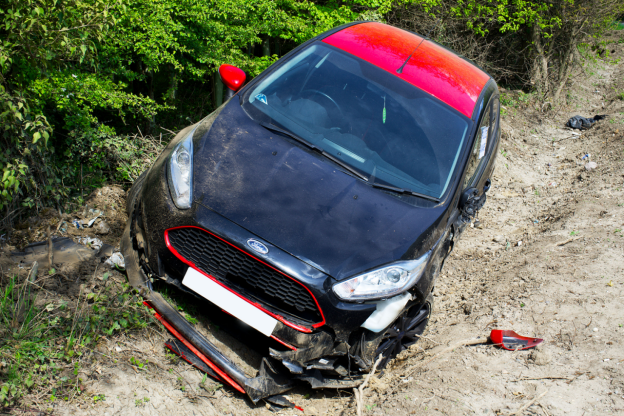
Small Mistakes After an Accident That Can Quietly Hurt Your Claim

Paperwork starts moving quickly after an accident, but the small choices made in those early days often travel much farther than people expect. A missing photo, a delayed appointment, or a quick reply given under stress can slowly change the shape of a claim without making any noise at all. Insurance companies study details closely, and even simple actions can be viewed in ways that surprise people later.
According to an expert such as an accident lawyer at Mickey Keenan P.A., some of the biggest claim problems begin with mistakes that never seemed important at the time. A closer look at those quiet errors can make all the difference.
Why Small Actions Matter After an Accident
An accident claim is built from records, reports, timelines, and evidence. Each part supports the next one like pieces of a puzzle. If one part is missing or unclear, questions begin to appear. Insurance adjusters are trained to review gaps in information, changes in treatment, and statements that do not match other records.
Most people focus on the accident itself because it feels like the biggest event. What happens afterward often carries just as much weight. The days following an accident create the story that others will later review.
Mistake 1: Saying Too Much at the Scene
Stress changes how people speak. Some people apologize even if they did nothing wrong. Others try to explain details before they know what actually happened. Those words can stay attached to a claim long after the conversation is over.
Sharing basic information and cooperating with authorities is important, but guessing about injuries or accepting blame too quickly can create confusion later. Facts gathered through reports and evidence usually tell the story more clearly than quick reactions made under pressure.
Mistake 2: Delaying Medical Care
Pain does not always arrive immediately after an accident. Adrenaline can hide discomfort for hours or even days. Because of that, some people decide to wait and see if they feel better before seeking treatment.
A delay can create another problem. Insurance companies may question whether an injury came from the accident or from something else that happened later. Medical records create a timeline, and timelines matter more than many people realize.
Mistake 3: Not Taking Photos or Videos
Memories fade faster than evidence. A damaged vehicle gets repaired, bruises heal, and road conditions change quickly. Photos capture details exactly as they appeared at that time.
Pictures of injuries, property damage, weather conditions, and the surrounding area can help preserve information that may not appear in written reports. Even simple images taken with a phone can become useful months later if questions begin to appear.
Mistake 4: Giving a Recorded Statement Too Soon
Recorded statements often sound routine, and many people agree to them without much thought. The problem is not always the questions being asked. The problem is answering while information is still incomplete.
An injury may become worse after several days. Repairs may reveal hidden damage. Witness statements may provide details that were missed earlier. Speaking too quickly can lock someone into information that later turns out to be inaccurate.
Mistake 5: Posting About the Accident Online
Social media has become part of daily life, which makes posting feel harmless. A photo from dinner or a family event may seem completely unrelated to an accident claim.
Online posts can sometimes be viewed differently by others reviewing the case. A single picture without context may lead to assumptions that do not match reality. Staying quiet online for a period of time often prevents unnecessary questions.
Mistake 6: Accepting the First Settlement Offer
Early settlement offers can look attractive, especially if bills are arriving and repairs need attention. The first number placed on the table is not always the full picture.
Some injuries require additional treatment, and costs can continue to grow over time. Accepting an offer before understanding the total impact of the accident can close the door on future expenses connected to the claim.
Mistake 7: Not Keeping Records of Expenses and Pain
Good records create strong support for a claim. Medical bills, repair invoices, prescription costs, and transportation expenses all help show how the accident affected daily life.
Keeping notes about pain levels, treatment visits, and physical limitations can also help preserve details that become harder to remember later. Small records often become valuable pieces of information.
Conclusion
Small mistakes after an accident may not seem serious at first, but they can slowly affect the strength of a claim. Staying careful with words, records, treatment, and paperwork can help keep the process clear.
For anyone unsure about the right next step, speaking with a professional such as an accident lawyer at Mickey Keenan P.A. can help make the claim easier to understand and better prepare.