Modern Roads, Modern Risks: Rideshare and Truck Accidents in Nevada
The way Nevadans get around has changed dramatically. Millions of rides each year are summoned with a tap on a phone, and the highways are busier than ever with commercial trucks moving freight across the region. These modern realities bring modern risks. A rideshare passenger injured in a crash faces a tangle of insurance questions that didn’t exist a generation ago, and the trucks sharing the road can cause some of the most horrific collisions imaginable. Understanding how these claims work helps Nevadans navigate a transportation landscape that keeps evolving.
This article is general information rather than legal advice, but it should help riders, drivers, and passengers understand these growing risks.
Rideshare accidents and the insurance maze
Uber and Lyft have made getting around easier, but they’ve also complicated what happens when a crash occurs. When you’re injured as a rideshare passenger or when a rideshare driver hits you the question of which insurance applies can be genuinely confusing. Coverage often depends on what the driver was doing at the moment of the crash: whether the app was off, on and waiting for a ride, or actively carrying a passenger. Each phase can trigger different coverage, and the amounts available can vary widely.
This complexity is exactly why rideshare claims can be so frustrating for injured people. A passenger badly hurt through no fault of their own may find multiple insurers pointing fingers at one another. People injured in these situations in northern Nevada often consult a lyft accident attorney reno to untangle which policies apply and to make sure no available coverage is overlooked. As rideshare use continues to grow, these questions are only becoming more common.
The unique horror of override and underride truck crashes
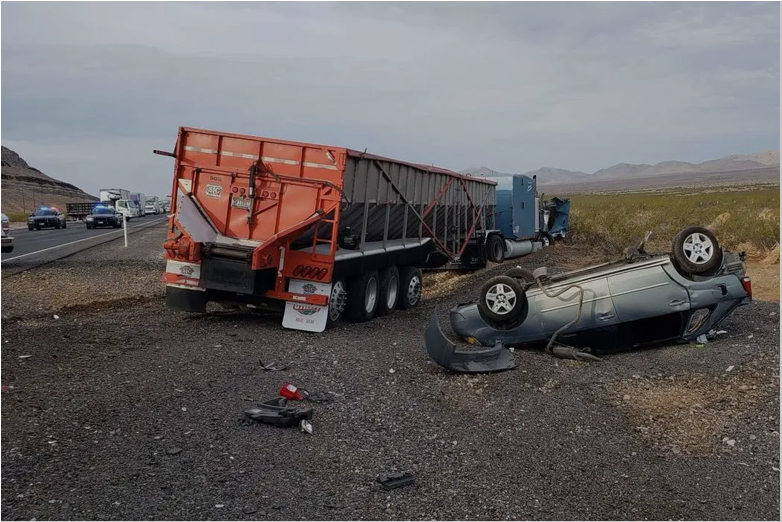
Among the many ways a truck crash can unfold, override and underride collisions are among the most catastrophic. An override occurs when a truck rides up and over a smaller vehicle; an underride happens when a car slides beneath the truck’s trailer. In both, the passenger compartment of the smaller vehicle can be crushed or sheared, and the injuries are frequently fatal or life-altering.
These crashes often raise questions about whether proper safety equipment like underride guards was present and functional, and whether the truck was being operated and maintained safely. As with all truck cases, federal regulations, electronic data, and maintenance records become critical, and multiple parties may share responsibility. Families devastated by one of these collisions in southern Nevada sometimes consult a las vegas override truck accident lawyer to investigate exactly what went wrong and to hold every responsible party accountable. The severity of these crashes makes a thorough investigation essential.
Why both kinds of cases demand fast action
Rideshare and truck crashes share an important trait: the evidence that proves them is fragile and disappears fast. In a rideshare case, the data showing the app’s status and the driver’s activity is held by the company and must be requested. In a truck case, electronic logging data and maintenance records can be overwritten or lost, and trucking companies often dispatch investigators to a serious scene within hours.
Acting quickly preserves this evidence before it vanishes. The injured people who wait assuming the insurance companies will sort things out fairly frequently find that the proof they needed is gone and that the other side has built its defense in the meantime. Prompt action levels a playing field that otherwise tilts heavily toward well-resourced companies and their insurers.
Nevada’s fault rules and what they mean for you
Both rideshare and truck claims are governed by Nevada’s at-fault system and its modified comparative negligence rule. The party responsible for a crash and their insurance bears liability, but your own recovery is reduced by any share of fault assigned to you, and if you’re found more than fifty percent responsible, you may recover nothing.
This rule gives insurers a strong incentive to shift blame onto the injured person, even in cases where fault seems obvious. A passenger injured in a rideshare crash, or a driver struck by a truck, may still face arguments that they somehow contributed to the harm. Rideshare accident claims often involve additional complexities, such as determining whether the rideshare driver’s app was active and which insurance policy applies at the time of the collision. Solid evidence, including scene documentation, witness accounts, vehicle and app data, and police reports, is the best defense against these tactics and the key to protecting a claim’s value. When the issues get complex, injured people often turn to lv personal injury lawyers to make sure the responsibility lands where it belongs.
What compensation can include
When someone else’s negligence causes a serious crash, compensation can extend well beyond the initial medical bill. It may cover ongoing treatment and rehabilitation, lost income and reduced earning capacity, and the pain, suffering, and disruption a serious injury brings. In the most catastrophic cases including fatal override and underride crashes families may pursue compensation for the profound losses that follow a death caused by negligence. Capturing the full, long-term scope of these losses is essential, because an early settlement that covers only immediate costs can leave the most significant harm unaddressed.
Acting before the deadline
Nevada law sets strict deadlines for injury claims, generally a window of a couple of years from the date of the crash. Letting that deadline pass can extinguish even a strong claim. Given how quickly the evidence in rideshare and truck cases disappears, the practical deadline for protecting a claim is often much sooner than the legal one. Moving early to preserve evidence and assert your rights is the surest way to protect your recovery, particularly when the records you need are held by a company that has no incentive to volunteer them.
Holding powerful companies accountable
Rideshare and trucking cases share something beyond their fragile evidence: they pit injured individuals against large, well-resourced companies. Rideshare platforms and trucking firms have teams of professionals and insurers dedicated to limiting their liability, and an injured person facing them alone can feel badly outmatched. The legal system, however, gives victims tools to level that imbalance.
Federal regulations governing trucks, the insurance requirements that apply to rideshare operations, and the rules of evidence all provide avenues for holding these companies accountable when their negligence causes harm. The key is acting before the company’s advantages: preserving evidence, identifying every responsible party, and refusing to accept an early offer that doesn’t reflect the true scope of the loss. Developing a competitive advantage through prompt investigation, thorough documentation, and a well-prepared legal strategy can help level the playing field against large companies and their insurers. When an individual is injured through no fault of their own, the size and sophistication of the company responsible shouldn’t determine whether they receive fair compensation. Understanding that the law provides a path to accountability is what allows victims to stand on more equal footing.
The bottom line
The modern road brings modern hazards. Rideshare crashes raise insurance questions that didn’t exist a generation ago, and override and underride truck collisions remain among the most catastrophic events on Nevada’s highways. Both demand fast action to preserve fragile evidence, both are shaped by Nevada’s comparative negligence rule, and both are governed by strict deadlines. Whether you were injured as a rideshare passenger near Reno or in a devastating truck crash in the Las Vegas valley, understanding how these claims work and acting quickly gives you the best chance at a fair recovery.