How Truck Accident Claims Differ from Car Accidents
Truck accident claims are different from car accident claims because they often involve more severe injuries, multiple parties, complex regulations, and larger insurance policies. These cases require more investigation and stronger evidence to prove fault and secure fair compensation. Understanding these differences is important if you are involved in a crash with a commercial truck.
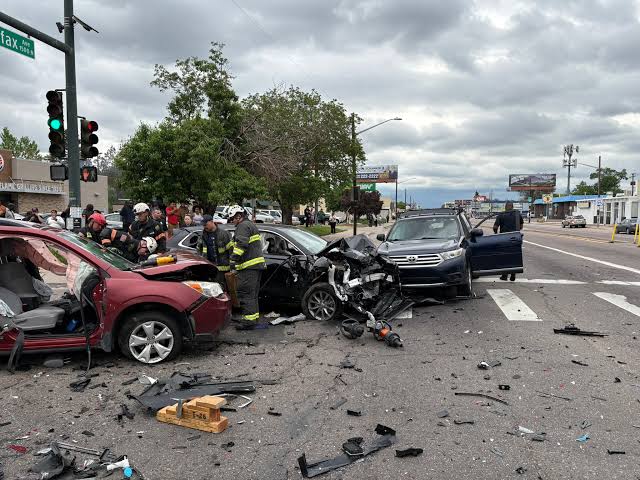
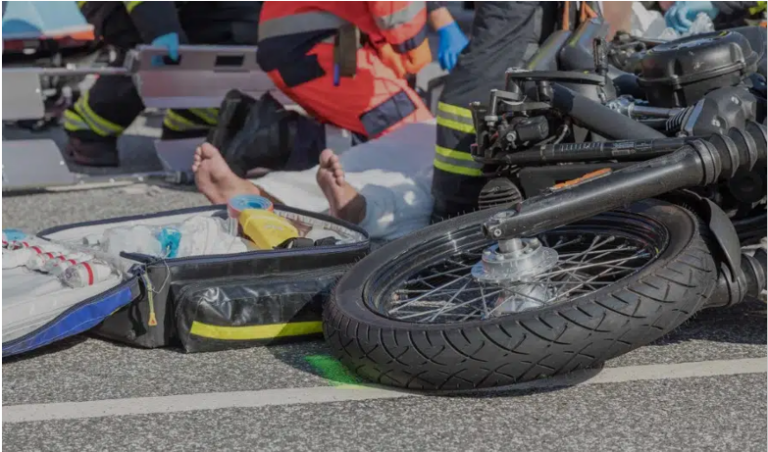
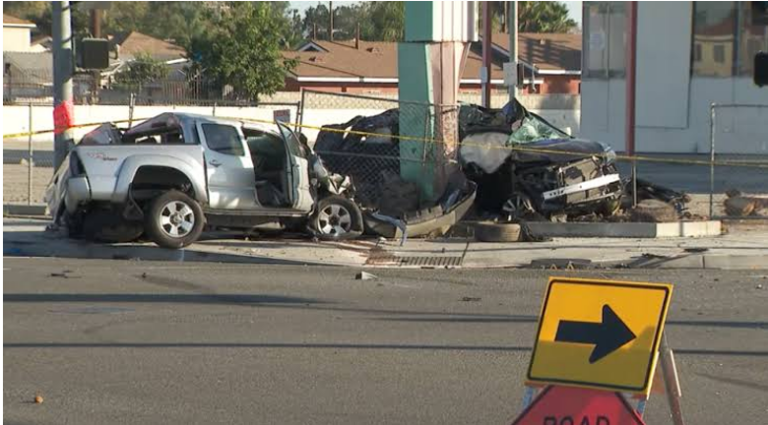
Truck accidents are usually more serious due to the size and weight of commercial vehicles. The damage can be significant, and injuries are often more severe. Because of this, the legal process becomes more detailed compared to a typical car accident claim.
Chicago is one of the largest cities in the United States, known for its busy highways, heavy traffic, and major transportation routes. It serves as a central hub for trucking and shipping, with large volumes of commercial vehicles moving through the city every day. With this level of activity, accidents involving trucks are more likely to happen. If you need to file a truck accident claim in Chicago, understanding how these cases differ can help you take the right steps.
Severity of Injuries and Damages
One of the biggest differences is the level of damage involved.
Truck accidents often result in
- Serious or life-threatening injuries
- Higher medical expenses
- Long-term or permanent disabilities
In contrast, many car accidents involve less severe injuries, although exceptions do exist.
Multiple Parties May Be Involved
Car accident claims usually involve just the drivers. Truck accident claims can include several parties.
These may include:
- The truck driver
- The trucking company
- The vehicle manufacturer
- Maintenance providers
Each party may share responsibility, which makes the case more complex.
Federal and State Regulations
Truck drivers and companies must follow strict federal and state rules.
These include:
- Hours of service limits
- Maintenance requirements
- Licensing standards
Violations of these rules can be used as evidence in a claim. Car drivers are not subject to the same level of regulation.
Larger Insurance Policies
Commercial trucks usually carry higher insurance coverage than personal vehicles.
This means:
- Larger potential settlements
- More aggressive defense from insurance companies
Insurance companies may try harder to reduce payouts, making the process more challenging.
Evidence Is More Complex
Truck accident cases often require more detailed evidence.
This may include:
- Driver logs
- Black box data
- Maintenance records
- Company policies
This type of evidence helps show what caused the accident and who is responsible.
Investigation Takes More Time
Because of the complexity, truck accident claims usually take longer to investigate.
- More parties need to be reviewed.
- More documents must be collected.
- Experts may be involved.
This can extend the timeline compared to a standard car accident claim.
Role of Experts
Experts are often used in truck accident cases to explain what happened.
They may:
- Reconstruct the accident
- Analyze mechanical issues
- Review safety compliance
Their input can strengthen your case and help prove liability.
Legal Representation Matters More
Due to the complexity, legal support is especially important in truck accident cases.
A lawyer can:
- Identify all responsible parties.
- Gather critical evidence
- Handle negotiations with large insurance companies
- Build a strong case
This can improve your chances of receiving fair compensation.
Key Takeaways
- Truck accident claims are more complex than car accident claims.
- Injuries and damages are often more severe.
- Multiple parties may be responsible.
- Strict regulations play a major role.
- Strong evidence and legal support are important.
Understanding how truck accident claims differ from car accidents can help you be better prepared. These cases require more attention to detail, but with the right steps, you can protect your rights and work toward a fair outcome.