Avocado Mattress Lawsuit 2025: Consumer Truth Uncovered
Introduction: The Dark Side of Green Dreams
For most consumers, purchasing an environmentally friendly mattress is as much a matter of ethics as it is of pragmatics. The allure of sleeping on a pure, organic, and chemical-free bed is incredibly powerful. Avocado Mattress, which is based in California, made its fortune on that fantasy.
With sleek commercials, glowing ratings, and assurances of “100% organic” comfort, the brand was all about sustainable luxury. But everything can go wrong. The Avocado Mattress lawsuit questions if the company’s statements really equated with reality and what goes wrong when green marketing blurs the line into greenwashing.
This definitive guide deconstructs the lawsuit, the evidence, consumer voices, legal implications, and what can be learned by buyers about protecting themselves in a marketplace where terms such as “natural” and “organic” are frequently blurred. Have you checked our detailed guide on Grande Lash Lawsuit.
What Is Avocado Mattress?
Avocado Mattress was established in 2016 as a leader in the “eco-luxury sleep” market. Its products were positioned as safe, sustainable, and socially responsible.
The Selling Points
- Organic latex, cotton, and wool
- GREENGUARD Gold Certified for low emissions
- Fair Trade and GOTS-certified materials
- Eco-friendly image supported by celebrity endorsements
Avocado retailed not only mattresses, but a clean living and environmentally friendly lifestyle. But the Avocado Mattress lawsuit uncovered imbalances between marketing vocabulary and actuality.
Dissecting the Avocado Mattress Lawsuit
1. False Advertising Claims
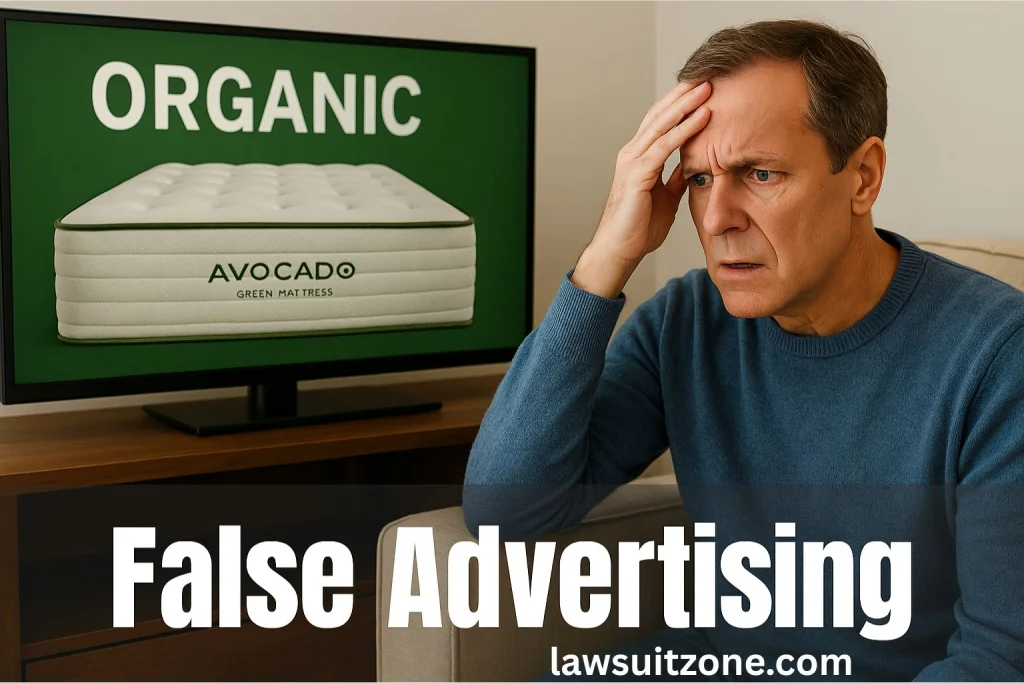
Plaintiffs alleged Avocado advertised its mattresses as being 100% organic, but not all of them were certified to that level. For example, mixed fabrics or fire retardant coating were not always clearly stated.
Key Issues Raised:
- “100% organic” advertising vs. partial certifications
- Sales of treated materials that conflicted with green language
- Incomplete labeling transparency
2. Certification Confusion
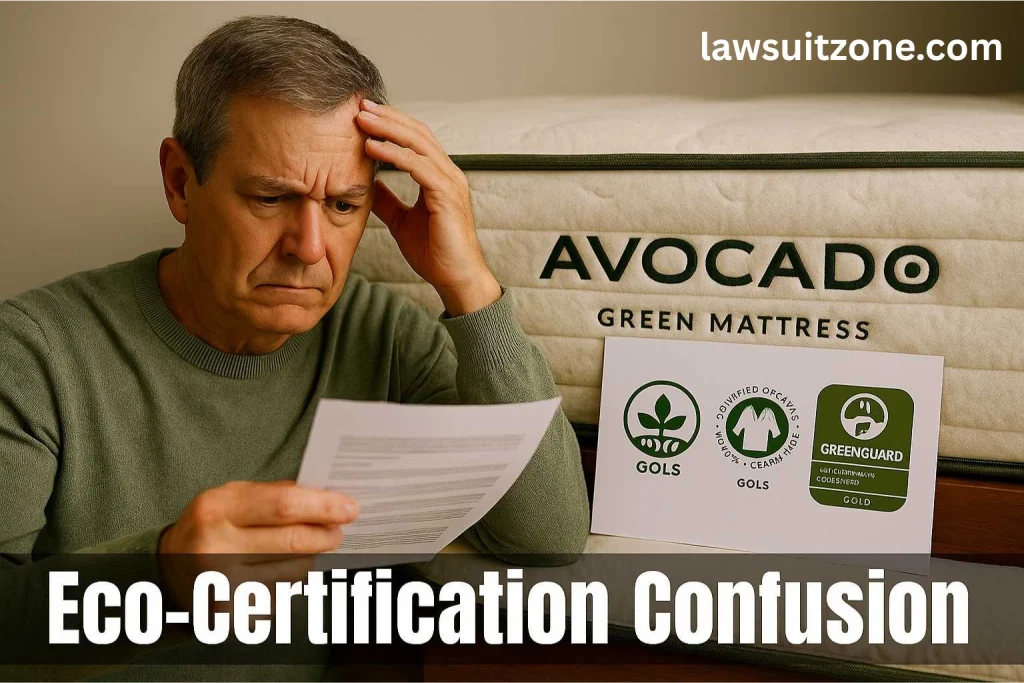
Avocado boldly showcased eco-labels such as GOTS, GOLS, and GREENGUARD. The lawsuit complained that these certifications only pertained to some components but not the whole mattress. This made customers believe they were purchasing something cleaner than what actually existed.
3. Greenwashing and Premium Pricing
By marketing itself as the gold standard of eco-mattresses, Avocado priced higher. Customers paid more thinking they were paying for guilt-free products. The lawsuit contended that this premium was unjustified if advertising was deceitful.
Why the Avocado Mattress Lawsuit is Significant
This case is not only about one brand. The Avocado Mattress case reveals deeper issues in sustainable sectors:
- Consumer Protection: Consumers are entitled to honesty regarding what they pay for.
- Eco-Label Accountability: Not every certification is created equal, and some are misleading.
- Market Trust: Greenwashing damages market trust in the entire eco-space.
- Legal Precedent: Other companies with exaggerated eco-claims may be sued in the future.
Timeline of Events
- 2018–2019: Avocado becomes a best-selling eco-mattress brand.
- 2020: Online discussions point out confusion between labeling and certifications.
- 2021: Initial legal filings charge Avocado with false green advertising.
- 2022–2023: Class-action lawsuits merge; media coverage increases.
- 2024: Early settlements on the table, with Avocado committing to increased transparency but claiming innocence.
- 2025: The case continues to be a point of discussion among consumer rights advocates and environmental living blogs.
Consumers’ Voices
Megan, 34 – Disillusioned Green Consumer:
“I purchased Avocado because I needed a safe mattress for my new baby. Later, I found the certifications weren’t applicable to the entire mattress. That was betrayal.”
David, 52 – Confused but Happy:
“The bed is comfortable, but I did pay extra for ‘pure organic.’ Reading about the lawsuit has made me feel like I didn’t receive what I paid for.”
Sara, 28 – Still Loyal:
“I still adore my Avocado mattress. The lawsuit makes me more careful, but I believe it is superior to most on the market.”
These anecdotes demonstrate the nuance not every consumer was harmed, but a significant number did feel deceived.
Expert Insights
Dr. Elaine Foster, Sustainability Analyst:
“The Avocado Mattress lawsuit highlights how eco-labeling can confuse buyers. Without clear regulations, terms like ‘green’ or ‘organic’ remain vulnerable to misuse.”
Michael Grant, Consumer Rights Lawyer:
“Consumers pay a premium for sustainability. If claims are exaggerated, that’s not just misleading — it’s unlawful. This lawsuit helps set a standard.”
The Bigger Picture: Eco-Brand Accountability
The lawsuit fits into a wider cultural context. With consumers increasingly demanding transparency, businesses must substantiate claims.
- Certification Overload: Several eco-labels confuse more than they clarify.
- Premium Trap: Customers pay more without knowing if claims stand up.
- Industry Impact: Lawsuits compel businesses to reveal more or risk losing consumer trust.
Safer Alternatives
If the Avocado Mattress lawsuit has you doubting, here are safer alternatives to shop:
- Brands with Complete Transparency: Businesses that release complete lists of ingredients and detail certifications.
- Small Local Brands: Numerous small producers provide natural goods without exaggerated promotions.
- Timeless Choices: Non-toxic, long-lasting mattresses from reputable producers can be equally safe.
Lessons for Consumers
- Don’t be fooled by buzzwords such as “natural” or “organic.”
- Carefully examine certifications make sure they include the complete product.
- Keep receipts and promotional materials on file in case of controversy.
- File complaints with the Federal Trade Commission if you feel deceived.
- Make companies answer tough questions prior to purchase.
FAQs
Conclusion: The Future of Honest Green Marketing
The Avocado Mattress lawsuit isn’t just about a single brand, but also how green marketing needs to change. Greenwashing destroys consumer trust, and lawsuits are becoming a valuable means to ensure accountability.
To consumers, the message is clear: green shopping doesn’t have to equal blind trust. Question products, check for certifications, and insist on honesty. Authentic sustainability is about more than labels it’s about transparency.
Because at the end of the day, your greatest protection as a consumer isn’t a “green” label it’s information.