Lisinopril Lawsuit: The Ultimate Patient Safety Guide 2025
Lisinopril Lawsuit: An Ultimate Patient Guide
The lisinopril lawsuit has interested more than judges’ eyes, but also households’ attention throughout the nation. Lisinopril, one of the world’s most prescribed blood pressure drugs, has been a lifesaver for millions. But lawsuits now state that patients were not completely informed about major side effects that altered lives in some cases forever.
For consumers, this case isn’t about lawyers and pharmaceutical companies. It’s about trusting medicine, transparency in health care, and the ability to make informed decisions. This handbook dissects the case history, key charges, patient accounts, and what consumers can learn. Have you checked our detailed guide on No Demo Reno Lawsuit.
What is Lisinopril and Why Was It Prescribed?
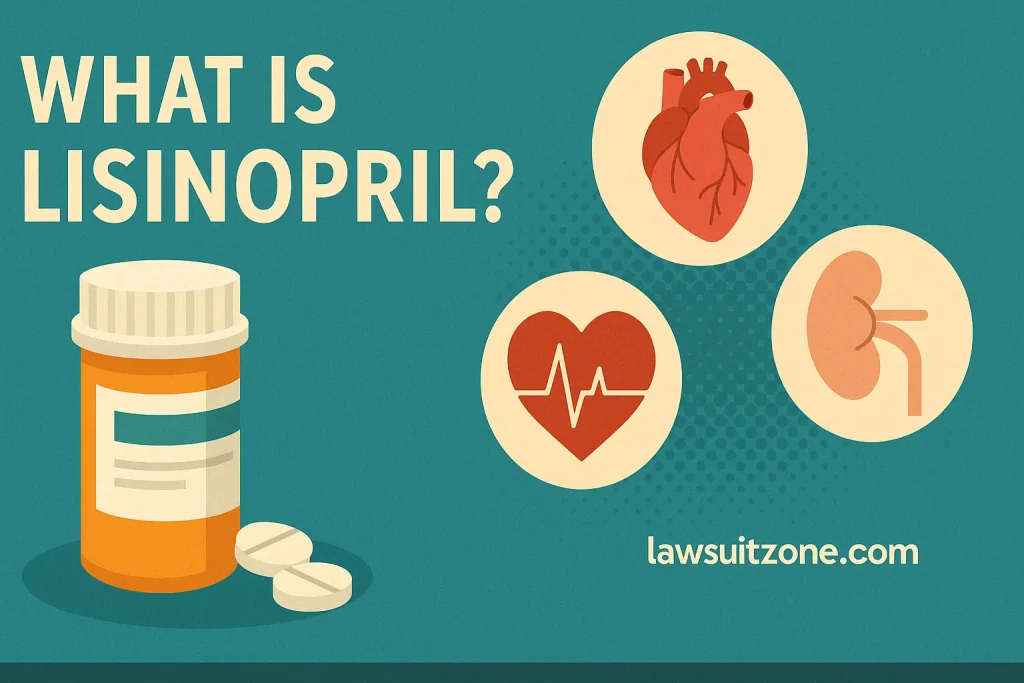
Lisinopril is an ACE inhibitor (angiotensin-converting enzyme inhibitor) that is prescribed to:
- Reduce blood pressure in patients with high blood pressure
- Improve rates of survival following heart attacks
- Treat failure of the heart
- Spare kidneys in diabetic patients
Physicians appreciate lisinopril for its established efficacy. But on long-term administration, a few patients were afflicted with side effects far worse than anticipated—opening the doors to the lisinopril lawsuit.
Why Do Drug Lawsuits Such As the Lisinopril Lawsuit Occur?
Drug lawsuits tend to arise when the promotion of benefits over risks is not clearly conveyed. Such triggers include:
- Hidden Side Effects – Patients suffering from conditions not disclosed to them.
- Labeling Deficiencies – Insufficient or ambiguous risk communication.
- Careless Supervision – Companies neglecting to revise warnings as new risks are uncovered.
- Manufacturing Issues – Defects or contamination in manufacturing.
- Aggressive Promotion – Marketing drugs with less emphasis on safety.
The lisinopril lawsuit complains that manufacturers were highlighting benefits while not adequately revealing some risks.
History of the Lisinopril Lawsuit
Patient and family complaints over the years involved complications beyond typical side effects. Attorneys started documenting evidence, claiming that the firms producing lisinopril underplayed risks like kidney injury or life-threatening swelling.
By 2025, several lawsuits had been filed, some merged into mass tort or class action cases. All together, they comprise the larger lisinopril lawsuit, a legal war that is ongoing.
Most Significant Claims in the Lisinopril Lawsuit
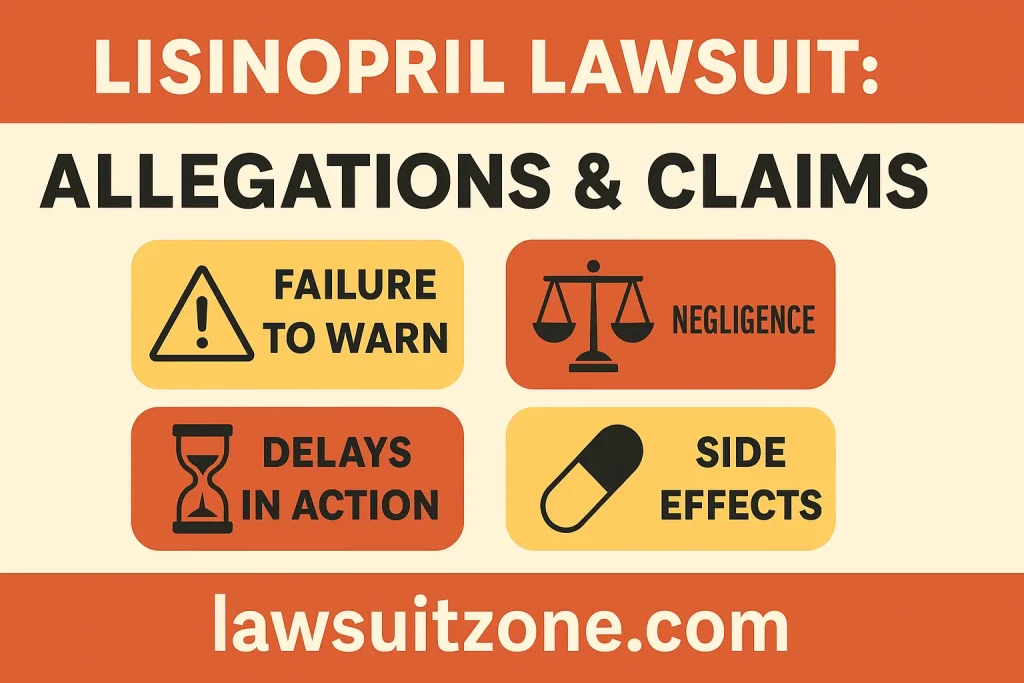
The lawsuits present several serious allegations, such as:
- Failure to Warn – Patients were not adequately informed of risks such as angioedema or kidney failure.
- Negligence – Drug companies supposedly overlooked warning signs in clinical reports.
- Proper Labeling – Safety warnings were ambiguous or incomplete.
- Delayed Action – Side effect complaints were not taken care of promptly enough.
- Marketing Practices – Highlighting effectiveness and downplaying potential harm.
Reported Side Effects Fueling the Lawsuit
Patients linked to the lisinopril lawsuit reported side effects of:
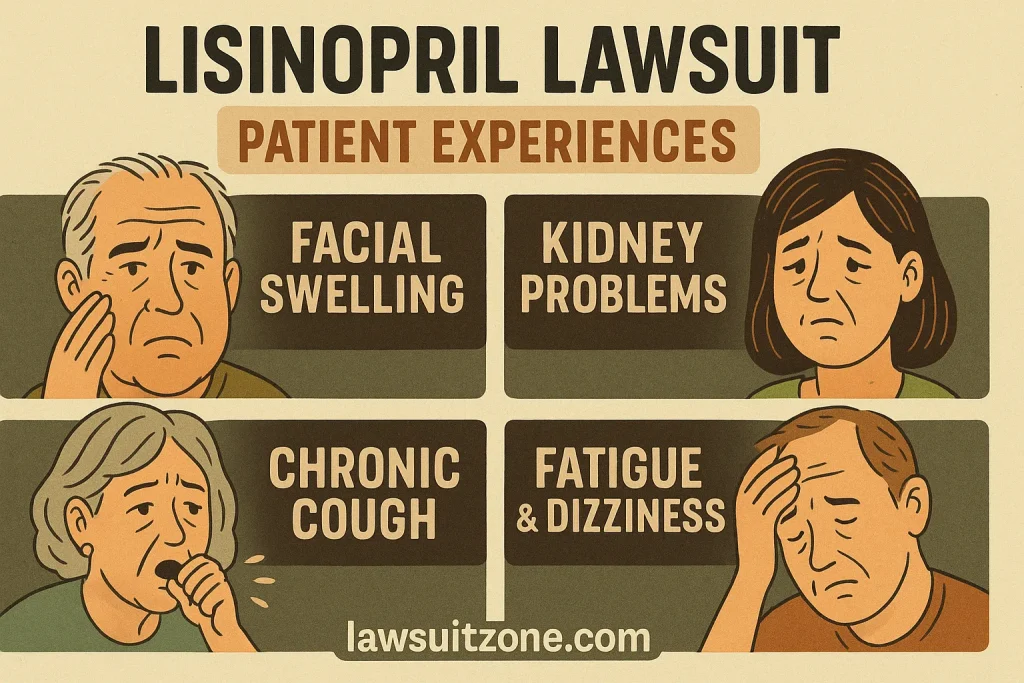
- Serious swelling of the face, tongue, or throat (angioedema)
- Kidney issues and, in certain cases, permanent damage
- High potassium levels that result in life-threatening heart rhythms
- Chronic cough or difficulty breathing
- Fainting, dizziness, and extreme fatigue
In many, these conditions interrupted daily routine and necessitated additional medical attention.
Patient Stories: The Human Side of the Case
Behind each lawsuit are individuals. Some patients reported that lisinopril at first benefited them, but side effects increasingly dominated their lives:
- One patient explained ongoing swelling that prevented her from eating and speaking.
- Another experienced sudden kidney issues requiring hospitalization.
- Families reported how they struggled with medical expenses due to complications they believe were avoidable.
These personal stories illustrate why the lisinopril lawsuit is important outside of the legal realm.
How the Legal Process Works
If you’ve never followed a pharmaceutical case, here’s what’s happening behind the scenes of the lisinopril lawsuit:
- Complaint Filing – Lawyers submit claims on behalf of patients.
- Case Consolidation – Similar cases may be grouped together.
- Discovery – Both sides exchange documents, including medical records and company data.
- Settlement Talks – Many lawsuits resolve before reaching trial.
- Trial or Verdict – If unresolved, the court decides liability and damages.
Presently, much of the lisinopril lawsuit continues in the making, with courts still considering evidence.
Impact on Patients and Families
The lawsuit affects patients in various ways:
- Financial Relief – Possible compensation for treatment expenses and lost income.
- Validation – Public confirmation of their ordeal.
- Better Warnings – Enhanced labeling to safeguard future patients.
For families, the lisinopril lawsuit is as much about justice as it is money—it’s about accountability.
Industry-Wide Ripple Effects
Beyond a single drug, the lawsuit could change the way drug companies do business:
- Stricter Safety Measures – Quicker changes to warnings when danger appears.
- Improved Transparency – More robust patient warnings on pill labels.
- Regulatory Pressure – Bureaus monitoring similar drugs.
- Patient Power – Spurring more individuals to report side effects.
How to Protect Yourself as a Patient
If you take lisinopril or another medication, here’s how you can protect yourself:
- Ask Straightforward Questions – Insist on clear answers to threats.
- Maintain a Health Journal – Document side effects for physician appointments.
- Stay Informed – Read manufacturer medication manuals thoroughly.
- Report Problems – Inform your provider and regulators about issues.
- Seek a Second Opinion – Particularly if contemplating long-term use.
Comparing With Other Drug Lawsuits
The lisinopril lawsuit is not an exception. Previous cases have been filed against diabetes, painkiller, and cholesterol medications. The pattern is clear: when there is incomplete safety communication, there are lawsuits.
These trends highlight the reasons why patient education and openness are so important.
Potential Outcomes of the Lisinopril Lawsuit
The case may end in various ways:
- Settlement – Patients rewarded, and companies update labeling.
- Policy Reforms – Stricter industry standards for generic medicines.
- Dismissal – When courts find lacking evidence.
- Court Ruling – Judge or jury determines damages and responsibility.
Each result has repercussions not only for lisinopril, but the whole pharmaceutical industry.
Reputable Sources for Patients
For current, accurate information regarding medicine and patient safety, the United States Food and Drug Administration (FDA) is a reliable source.
FAQs Regarding the Lisinopril Lawsuit
Final Thoughts
The lisinopril lawsuit isn’t just about a single medication—it’s about transparency in healthcare and the responsibility to protect patients. To those who need prescription medication, the case is a wake-up call to remain vigilant, ask questions, and be aware of your rights.
As the suit develops, it could reshape safety standards for all drugs. For today’s patients, the moral is straightforward: never dismiss side effects, and always insist on the transparency you are entitled to when it comes to your health.